Somewhere between ten and twelve, many children stop wanting to be led around. They are old enough to read a metro map, count money and make a decent photograph, and they notice when an adult is deciding everything for them. Give them a job on the trip, a real one with real decisions, and they often become the most useful people in the family.
Why a job works at this age
Tweens like to be good at things, and they like being trusted. A job gives them both. It also gives them a reason to pay attention: a child who is navigating watches the street signs, and a child who is keeping the budget notices prices.
Make the job real. If the navigator's directions are ignored the moment they get one wrong, the job stops being a job. Let them make small mistakes, such as a wrong turn or a longer walk than planned, as long as nobody is in danger. Step in only when the stakes are high, such as the last train of the night.
The navigator
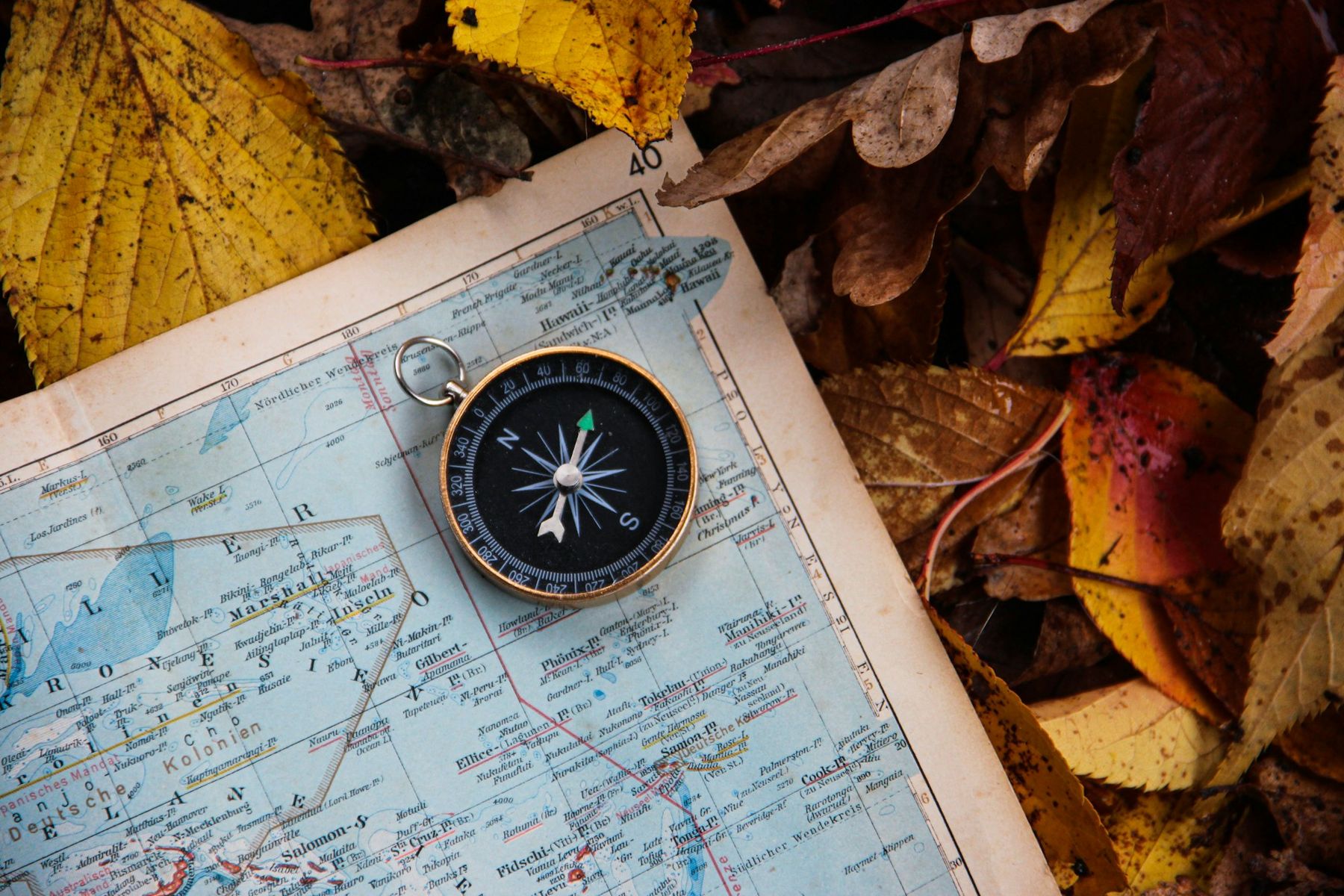
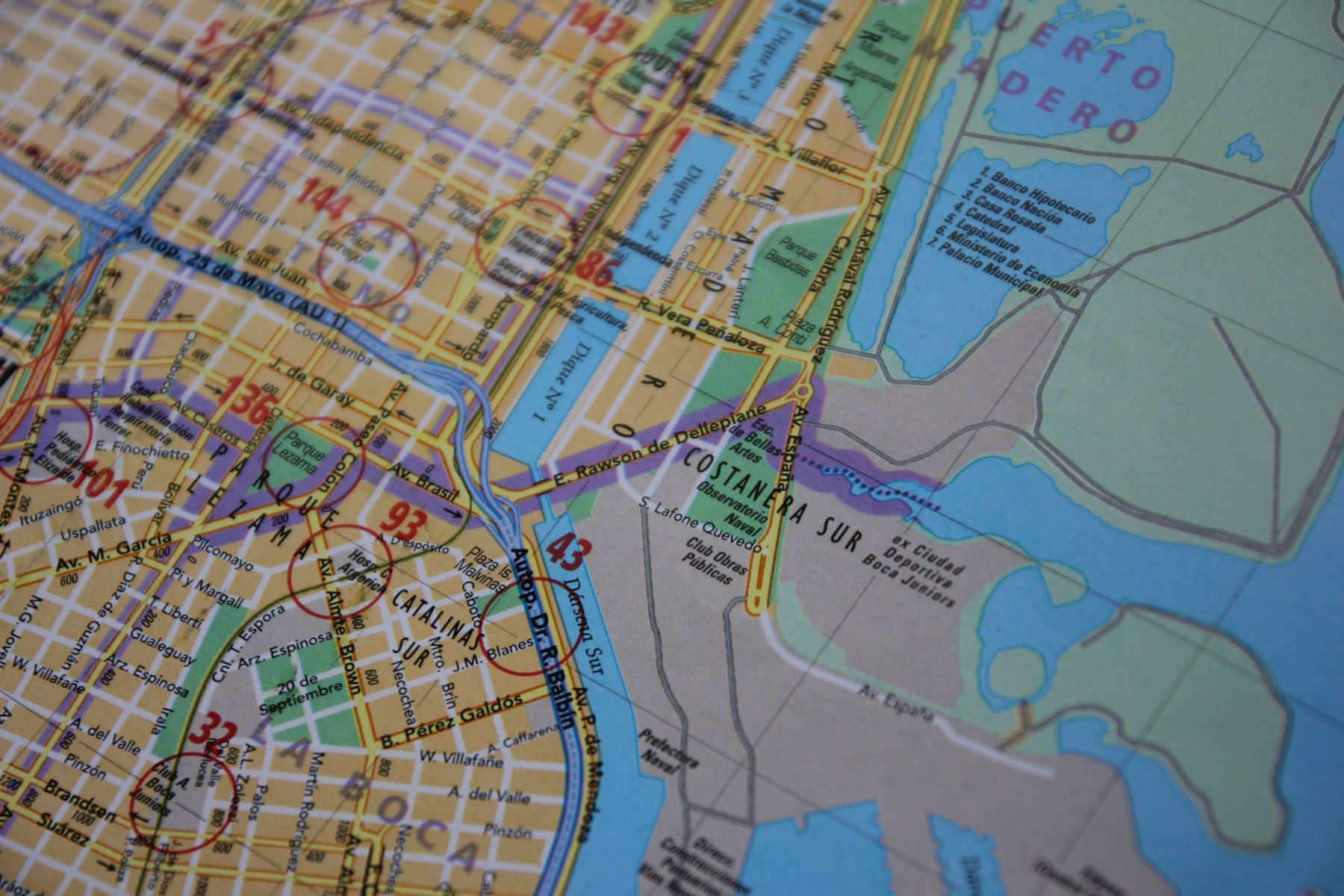
This is the classic job, and it suits a child who likes maps. Give them a paper map of the city or a printed metro plan, and the address of where you are staying. In the morning, they plan the route to the first stop; on the way, they read the signs and call the changes.
Underground systems in big cities are a good place to start. The lines have colours and numbers, the stations are named and the maps are clear. In Paris, a few days in the city gives a navigator the Metro, the Seine and a dozen landmarks to find. In Washington, the National Mall and the Metro are an easy first test.
A phone map can be a backup, but start with paper. Reading a map builds a picture of the city in a way that following a blue dot does not.
The budget keeper
Give a child a set amount for one category of spending, such as lunches, snacks or entry to small sights, and a notebook to track it. They decide where it goes. If they spend it all on the first day, they learn something no lecture could teach.
Abroad, this job doubles as a lesson in exchange rates. A rough rule for converting prices, worked out together before the trip, turns every menu and shop into a sum. Many tweens become fierce about value once it is their budget, and will happily walk an extra street for a cheaper ice cream.
The photographer
A camera, or an old phone with no SIM card, turns looking into a task. Give the photographer a brief for each day: five pictures that tell the story of the morning, one picture of a door, the best view of the day. At night, they choose the three best pictures and explain why.
This job suits quieter children, and it slows the whole family down in a good way. It also produces a record of the trip seen from a child's height. Agree one rule from the start: ask before photographing people, and respect a no.
 also in the binderTravelling with teenagers without the sulks13+
The menu translator
For a trip to a place with another language, this job is gold. Give the translator a small phrasebook and a list of words to learn before you go: please, thank you, hello, the bill, water, and the names of the foods everyone at home eats. At meals, they read the menu, explain it to everyone and order.
Waiters are usually kind to a child trying their language. In Italy, for example, a few days in Rome give a translator pizza, pasta and gelato to work with, and plenty of chances to try. The confidence a child gets from ordering a meal in another language lasts long after the trip.
Other jobs worth handing out
- Weather watcher: checks the forecast each evening and tells everyone what to wear.
- Timekeeper: knows when the train leaves, when the museum closes, and calls the time to go.
- Historian: reads up on one sight a day and gives a short talk on the spot.
- Packer: checks the day bag for water, snacks, plasters and sun cream before leaving.
- Bookkeeper of tickets: holds the tickets, passes and maps, and hands them out at the gate.
History-heavy trips suit the historian. At Colonial Williamsburg and Jamestown, a tween who has read about a site before you arrive will ask better questions of the interpreters, and will notice what the signs leave out.

Setting it up at home
Talk about the jobs before the trip, not on the first morning. Let each child choose, or draw lots if two want the same one. Explain what the job involves, what they decide and where an adult will still have the last word.
Practise at home. A navigator can plan a bus trip across your own town; a budget keeper can run the money for a day out. A short trial shows which jobs suit which child, and gives them a chance to get better before it counts.
Give each job its kit. The navigator gets the map and a pencil; the budget keeper gets the notebook, the money and a zip pouch; the photographer gets the camera and a spare battery. Having their own things to carry and look after is part of what makes the job feel real.
Agree, too, which decisions belong to the child and which stay with the adults. The navigator picks the route but not whether to take a taxi at midnight. The budget keeper picks the snacks but not the hotel. Clear lines stop most arguments before they start.
When it goes wrong
Some days the navigator will take you the long way, the budget will run out early and the photographer will refuse to take a single picture. That is fine. Swap jobs every few days so nobody gets stuck with one they dislike, and give a day off when a child is tired.
Thank them at the end of each day, and mean it. A tween who feels their work mattered will want a job on the next trip too, and they will be better at it.