Washington, DC is one of the best cities in the country for ten- to twelve-year-olds. They are old enough to understand what they are looking at in the national museums and monuments, young enough to still be amazed by a spacecraft or a huge whale model, and capable of reading a Metro map and leading the way. Most of the big museums on the National Mall are free, so you can drop in for an hour, leave when attention runs out, and come back later.
Four days lets you see the core of the city without a forced march. The plan below puts one major museum in each morning, an outdoor stretch in the afternoon and, on at least one evening, the monuments after dark.
Day one: the National Mall on foot
Start by walking the Mall itself, the long open lawn running from the United States Capitol in the east to the Lincoln Memorial in the west, with the Washington Monument in the middle. End to end it is about two miles, and with stops it takes most of a day. Give a tween the map and ask them to plan the route; it changes the whole trip.
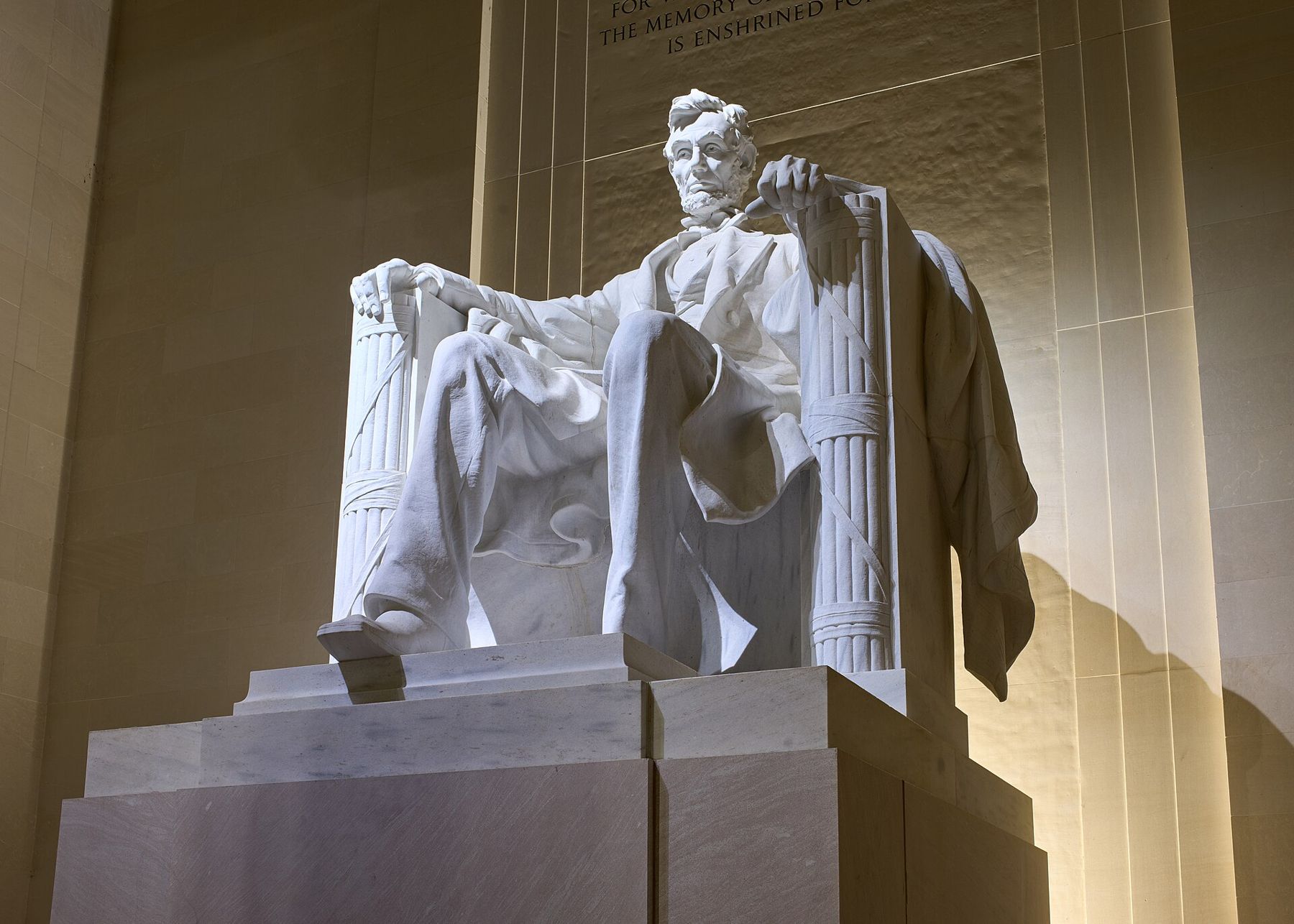
Walk west past the Smithsonian museums lining both sides, climb the slope to the Washington Monument, then continue past the World War II Memorial and along the Reflecting Pool to the Lincoln Memorial. The view back down the Mall from the top of the Lincoln Memorial steps is one tweens remember. Going up the Washington Monument needs a timed ticket; check how they are released well before you travel.
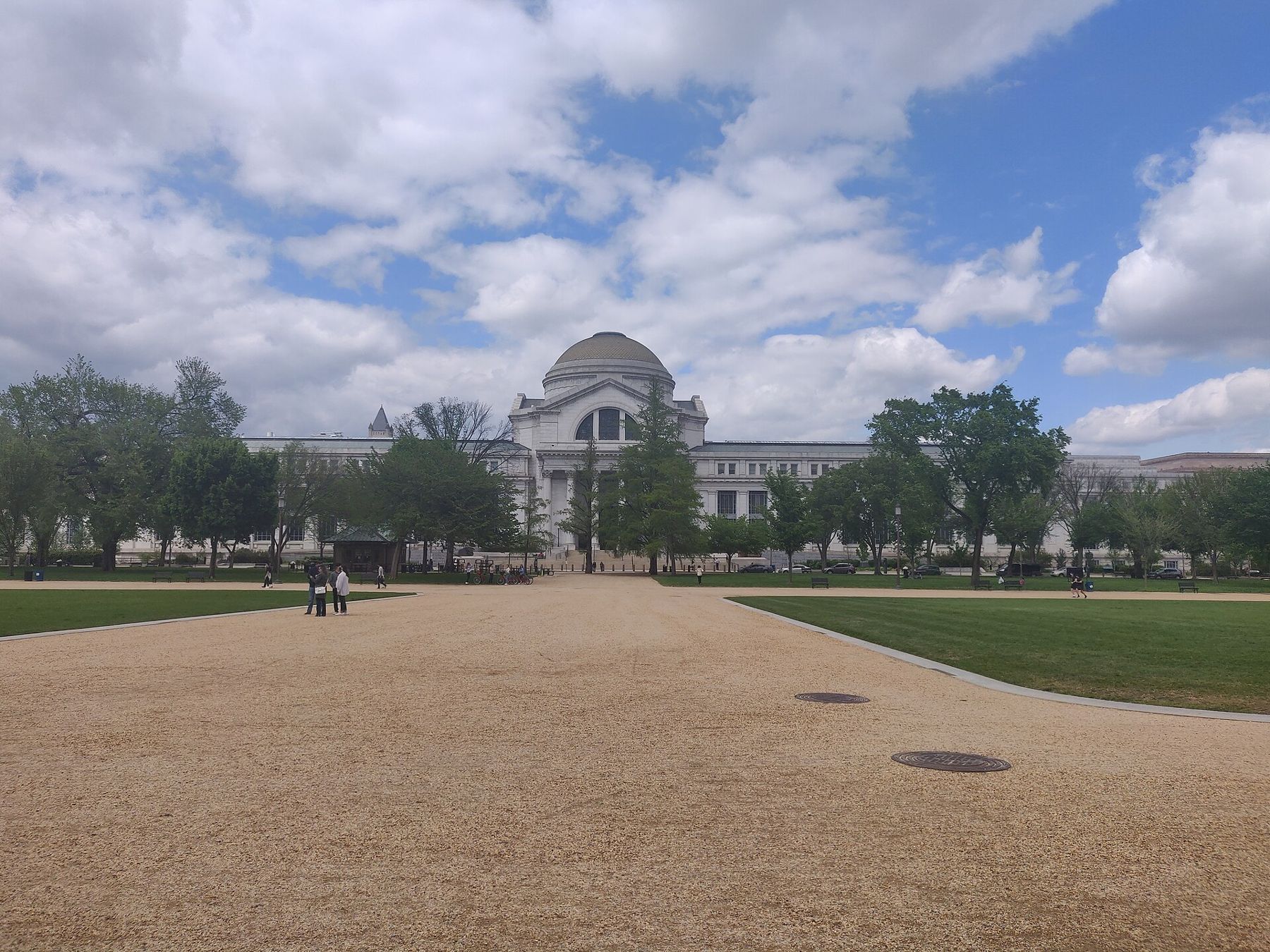
Day two: Air and Space
The Smithsonian's National Air and Space Museum on the Mall is the one most tweens ask for. It holds aircraft and spacecraft that changed history, from early flying machines to rockets and space capsules. The building has been through a long renovation with galleries reopening in stages, so check what is open and whether free timed passes are needed before you go.
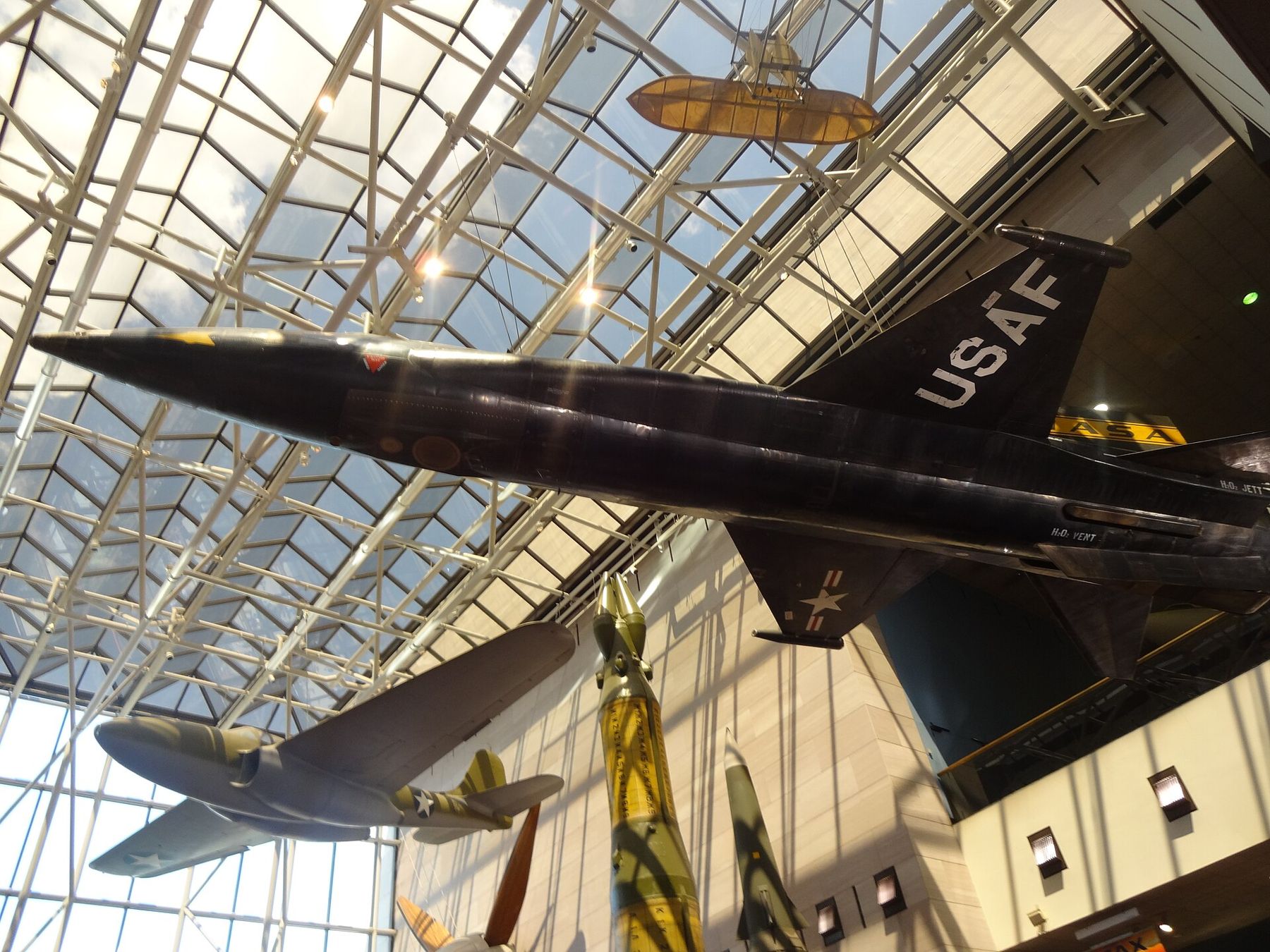
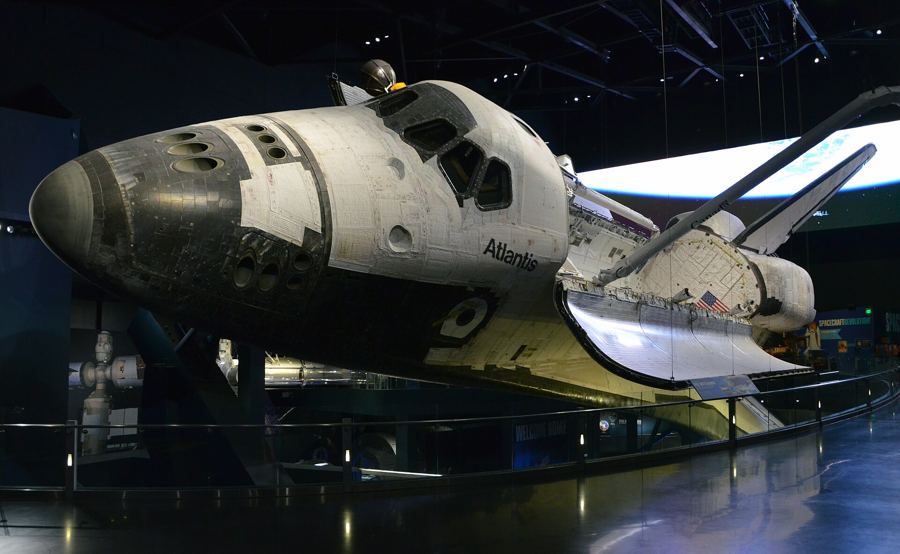
If your tweens are serious about flight, the museum's second site, the Steven F. Udvar-Hazy Center near Washington Dulles International Airport, is vast and holds a space shuttle and many large aircraft that will not fit downtown. It is outside the city and needs a car or a long transit journey, so it makes sense as a half-day only for real enthusiasts.
In the afternoon, cross the Mall to the National Museum of American History, where the original Star-Spangled Banner, the flag that inspired the national anthem, hangs in a dim gallery. Tweens studying American history at school often find it more moving than they expected.
 also in the binderSan Antonio: the River Walk, the Alamo and the missions6-910-12
Day three: Natural History and the National Archives
The National Museum of Natural History works for every age, but tweens get the most from it. The fossil hall tells the story of life over hundreds of millions of years, with dinosaur skeletons arranged to show how they lived. Upstairs, the gem collection holds the Hope Diamond, which draws a crowd. The ocean hall, with its life-size whale model hanging overhead, is a good place to sit for a few minutes.
Across Constitution Avenue, the National Archives displays the Declaration of Independence, the Constitution and the Bill of Rights in a darkened rotunda. The documents are faded and the room is quiet, and seeing the actual pages is a strong moment for a tween who has read about them. Lines can be long in busy seasons; check the current entry arrangements.
Give a tween the map and ask them to plan the route; it changes the whole trip.
Day four: Capitol Hill
Spend the last morning at the eastern end of the Mall on Capitol Hill. Tours of the United States Capitol start from the visitor centre underground on the east side and take you into the Rotunda beneath the dome, where tweens can look up at the painted ceiling and see the statues in the old House chamber. Tours are free, but booking ahead is wise, and security is strict about what you can bring, so check the rules first.
A tunnel from the Capitol leads to the Library of Congress, whose Thomas Jefferson Building is one of the most richly decorated buildings in the country. From a gallery above the Main Reading Room, tweens can look down on the desks under the great dome. The Supreme Court stands across the street, and its marble steps and front are worth a look even if you do not go in.
After lunch, walk back west along the Mall and let your tween choose one last museum or gallery they missed. The National Gallery of Art, also free, has a sculpture garden that is a calm place to rest tired legs before the journey home.
Monuments at night
Save one evening for the memorials after dark. They are open around the clock, lit, and much quieter than in the day, and the heat has gone out of the stone. Walk from the Lincoln Memorial past the Korean War Veterans Memorial, where the soldier statues look striking in the low light, to the Martin Luther King, Jr. Memorial and around the Tidal Basin to the Jefferson Memorial. It is a long loop; take a taxi or bus back.
Tweens often find the night walk the best part of the trip. It is also a good time to talk about what they have seen.
Getting around and pacing
The Metro is clean, simple and easy for tweens to learn. Smithsonian station opens right onto the Mall, and other stations sit near most sights. Tweens pay a fare, so get each of them a reloadable fare card and let them handle their own tapping in and out. The colour-coded lines make it a good first city system for a child who wants independence.
The harder moments come from distance and repetition. The Mall is bigger than it looks, the museums have security checks at the door, and two big museums in one day is too many for most children. Keep to one major museum a morning, two hours at a time, and let your tween choose one gallery in each building that is theirs. The guide to giving tweens a job on the trip has more on this.
- Summer heat. July and August are hot and humid. Do outdoor walking early and late and spend the afternoon indoors.
- Spring crowds. Cherry blossom season around the Tidal Basin is beautiful and very busy.
- Bags. Every museum checks bags. Travel light to get through faster.

Smithsonian's National Zoo, also free, is a short Metro ride north if you want a break from history. For more American history at this age, combine a DC trip with Williamsburg and Jamestown in Virginia, a few hours to the south, and families who like a big-city museum trip should consider Chicago next.
If you only have one day
Spend the morning at the National Air and Space Museum or the National Museum of Natural History, whichever your tween chooses. In the afternoon, walk the Mall from the Capitol to the Washington Monument, and as the light goes, continue to the Lincoln Memorial and sit on the steps. It is a long day on foot, but it covers the heart of the city, and a tween who has stood beside Lincoln's statue at dusk will understand why people travel here.