Colonial Williamsburg, Jamestown and Yorktown sit within a short drive of each other on a peninsula in eastern Virginia, linked by the Colonial Parkway, a slow, tree-lined road with views of the rivers. Together they are known as the Historic Triangle. They cover nearly two centuries of American history, from the first lasting English settlement in 1607 to the decisive siege of the Revolution in 1781. Ten- to twelve-year-olds are an ideal age for it: old enough to follow the story and argue with it, young enough to enjoy the cannon.
Day one: Jamestown, where it began
Start at the beginning. There are two Jamestown sites, and it helps to know the difference. Historic Jamestowne is the original site of the 1607 settlement on Jamestown Island, managed by the National Park Service and Preservation Virginia. Archaeologists have been digging there for years and have found the remains of the original fort, which earlier generations believed had washed into the river. Tweens often find the active dig, the finds and the stories of what the bones and objects reveal the most gripping part of the whole trip.
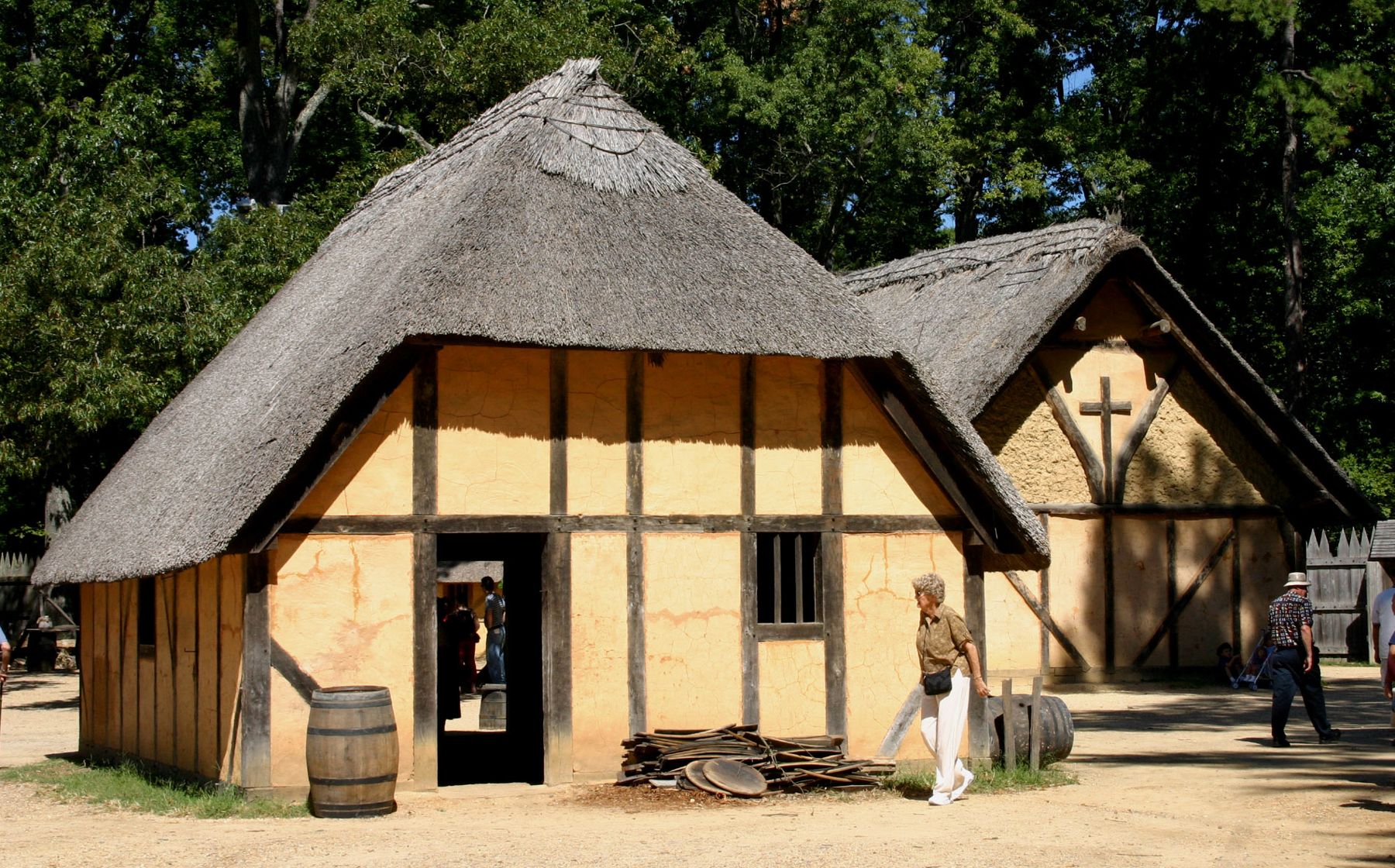
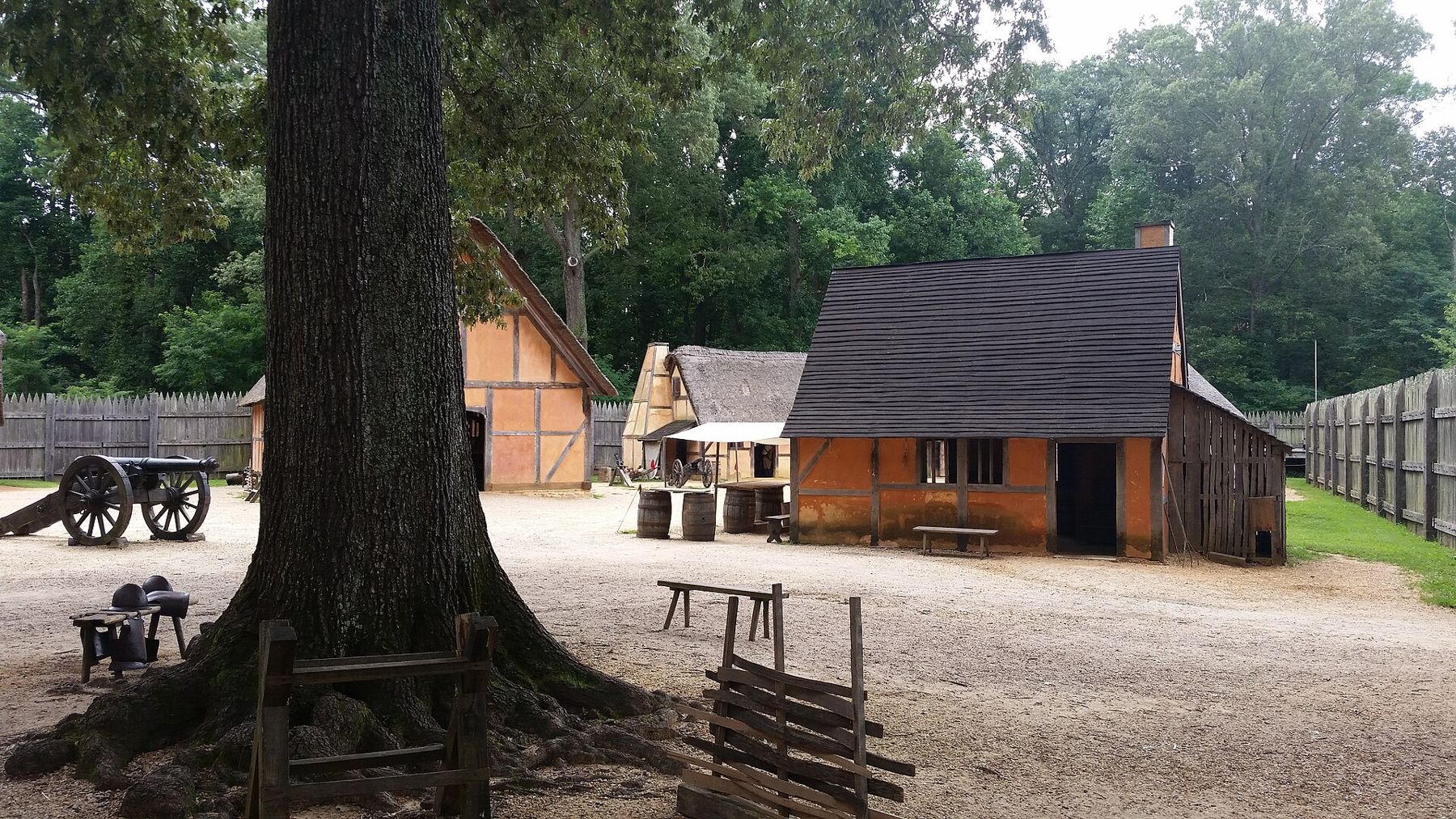
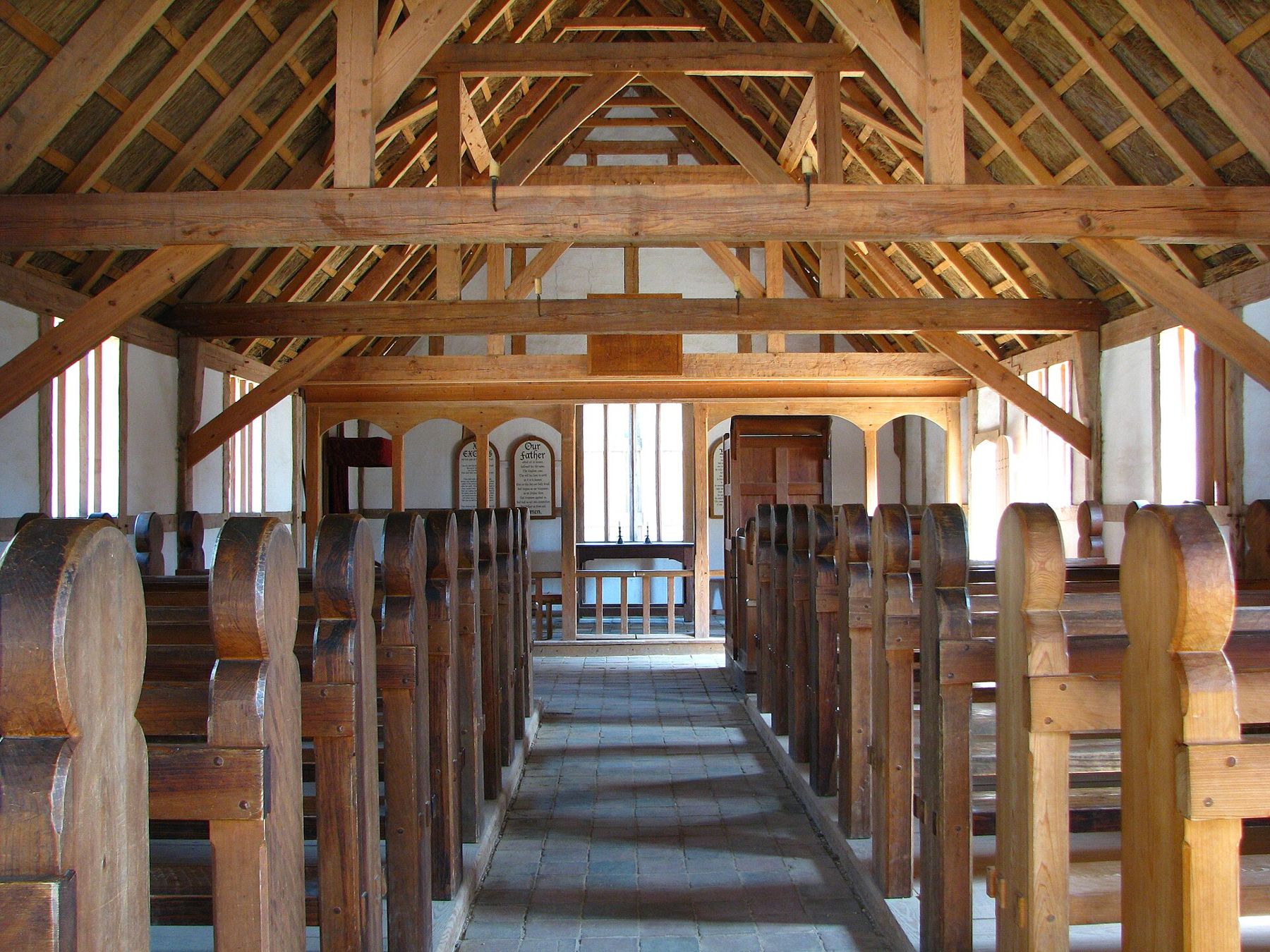
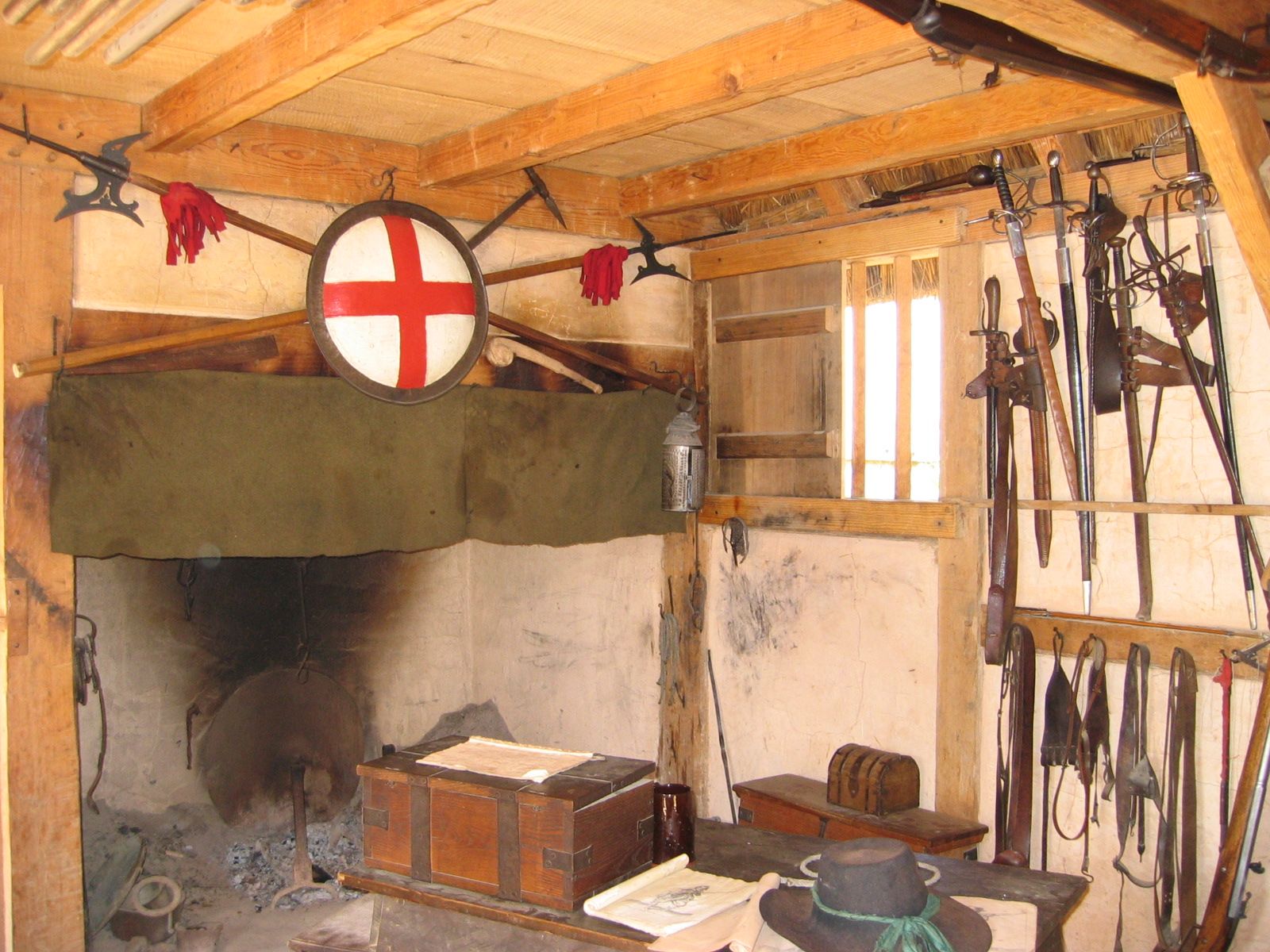
Jamestown Settlement, close by, is a living-history museum run by the state. It has indoor galleries, a reconstructed fort with houses, a church and an armoury, a re-created Powhatan town, and full-size replicas of the three ships that brought the first colonists. Interpreters in period dress cook, make tools and explain daily life. Doing both sites in a day is possible, but long; many families pick one in the morning and the other the next day.
The Powhatan people and the hard history
The English did not arrive in an empty land. The area was home to the Powhatan, a powerful alliance of Algonquian-speaking peoples led by Wahunsenacah, known to the English as Powhatan. Relations between the colonists and the Powhatan moved between trade, uneasy peace and war. The colony survived its early years partly through Powhatan food, and then expanded onto Powhatan land through force. Pocahontas, the paramount chief's daughter, was a real girl, not a cartoon; she was captured by the English, converted, married John Rolfe and died in England as a young woman. Many tweens arrive with a film version in their heads, and the real story is more interesting and more sad.
In 1619, the first recorded Africans in English Virginia arrived at Point Comfort, captured from a Portuguese slave ship. Over the next century, slavery became the foundation of Virginia's tobacco economy. By the time of the Revolution, about half of the people living in Williamsburg were Black, and most of them were enslaved.
The people who made Williamsburg run are part of its story, not a side note to it.
Talk about this before you go, and let the sites help. The people who made Williamsburg run are part of its story, not a side note to it. Tweens are quick to notice the contradiction of men talking about liberty while owning other people, and it is fine to let that question sit with them.
 also in the binderParis with tweens: five days that leave room to wander10-12
Day two: Colonial Williamsburg's historic area
Colonial Williamsburg was Virginia's capital for most of the 1700s. Its historic area is a large, car-free district of restored and reconstructed buildings along Duke of Gloucester Street, from the Capitol at one end to the College of William and Mary at the other, with the Governor's Palace on its own green. You can walk the streets without a ticket, but you need one to enter most buildings, see the trades and join the programmes, so check the current options before you go.
The trades are the heart of a visit with tweens. Blacksmiths, wheelwrights, printers, bookbinders, shoemakers, cabinetmakers, brickmakers and others work with period tools and methods, and they are happy to explain what they are doing and why. Ask how long an apprenticeship took, how much a thing would have cost, and who did the heaviest work. Interpreters also portray historical figures, both famous founders and enslaved and free Black Virginians, and some programmes deal directly with slavery. The Historic First Baptist Church, one of the oldest Black congregations in the country, is part of that story too.
Pace matters here. The historic area is large and the talks are long. Choose a few buildings and trades in the morning, break in the middle of the day, and come back in the late afternoon when it is quieter. Comfortable shoes are essential; the streets are unpaved in places, and summer is hot and humid.
Day three: Yorktown and the end of the war
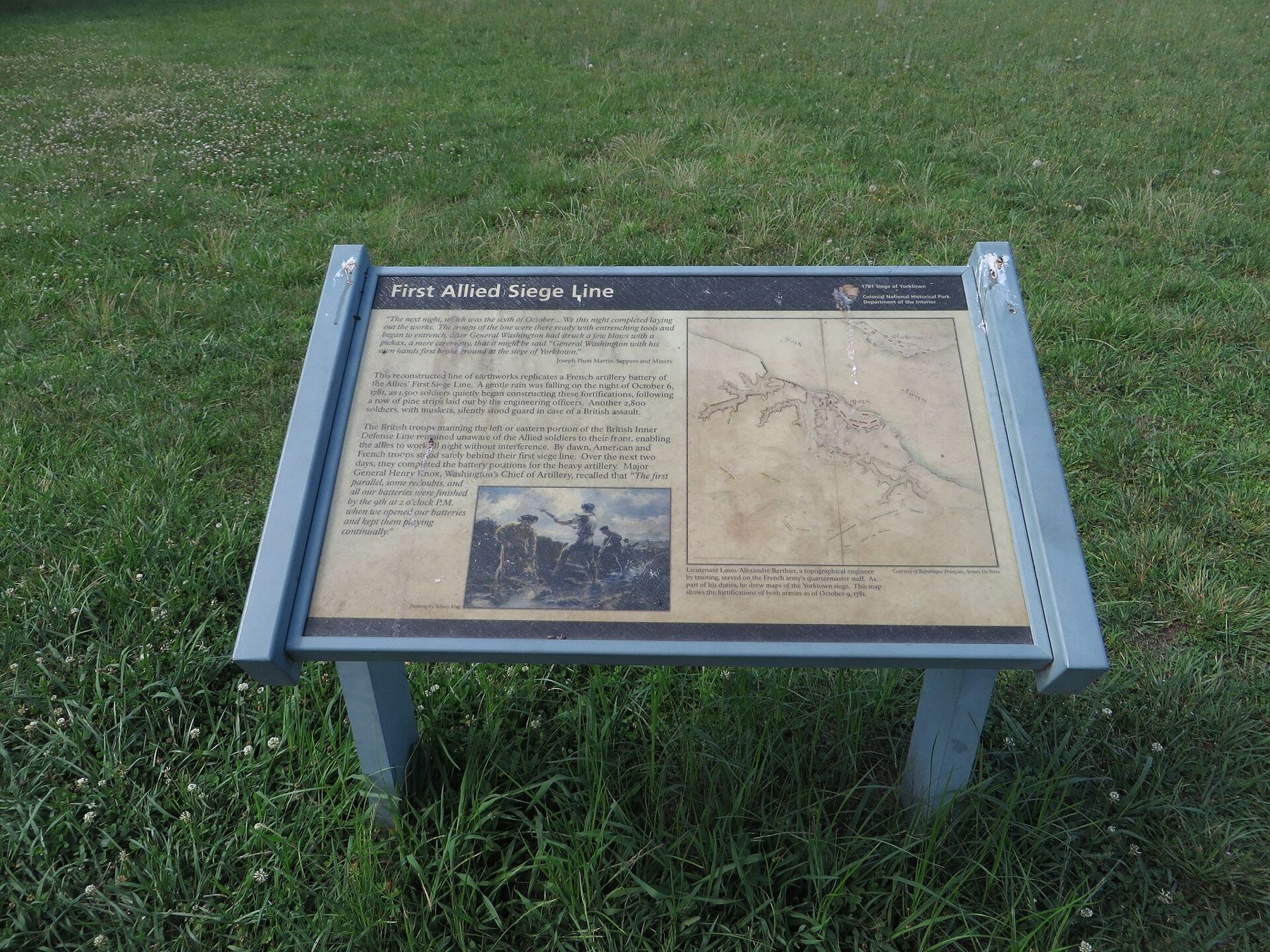
In 1781, American and French forces under George Washington and the Comte de Rochambeau besieged a British army under Lord Cornwallis at Yorktown. After weeks of siege and bombardment, Cornwallis surrendered, which effectively ended major fighting in the American Revolution. Yorktown Battlefield, part of Colonial National Historical Park, preserves the earthworks and siege lines; there is a visitor centre and a driving route around the field, with short walks to the redoubts and the house where the surrender terms were negotiated.
The American Revolution Museum at Yorktown, run by the same state foundation as Jamestown Settlement, has indoor galleries and an outdoor re-created Continental Army camp where interpreters demonstrate drill, cooking and medicine. It is a good contrast to the battlefield, which is quiet and open. The museum also tells the stories of people for whom the war's promise of liberty did not apply, including enslaved people who fled to the British lines hoping for freedom.
Before you leave Yorktown, walk down to the riverfront. The York River is wide here, and standing on the beach below the bluffs, it is easy to picture the French fleet that blocked the British escape by sea, a part of the story tweens often miss. The small town itself has a handful of old houses still standing from the colonial period, and it is a calm place to end three busy days of history.
Getting around and pacing three days
A car is the simplest way to move between the three sites. The Colonial Parkway is scenic but slow, and children may enjoy spotting the rivers at each end. Williamsburg has a train station on the line from Washington, D.C., and within the historic area everything is on foot.
Three busy history days in a row can be too much even for interested tweens. Build in breaks: an afternoon at the pool, an hour with a book, a slow evening walk without any plaques. Let them choose one site or trade to spend longer at. If they want a job, give them the map, the timetable for the trades or the task of finding one thing at each site that surprised them. Our guide on giving tweens a job has more ideas, and the Washington, D.C. trip guide makes a natural second half to the same journey.
If you only have one day
Spend the morning at Historic Jamestowne to see the dig and the original fort site, then drive the Colonial Parkway to Colonial Williamsburg. In the afternoon, pick two or three trades and one building, then walk the length of Duke of Gloucester Street as it empties out in the early evening. You will have seen where the colony began and what it grew into.