Teenagers can be the best travel companions a family has. They can walk all day, carry their own bags, read a train timetable and stay up for a late dinner. They also have strong opinions, a body clock set late and a phone full of friends who are not on the trip. A good family trip with teens works with all of that, not against it.
Let them choose a day
The most useful thing you can do is give each teenager one day of the trip to plan. Give them a budget, a map and a deadline before you leave, and let them decide where you go and what you do. Then go along with it, without complaint, even if it means three hours in a part of town you would not have chosen.
A teenager who has planned a day is invested in the whole trip. They will also treat your plans more kindly, because they know what it feels like to have their own choices second-guessed.
Involve them earlier too. Ask for opinions on the destination, the route and one big thing to do. A teen who wanted the big rides in Orlando or a hike to a glacier will put up with a museum morning more easily if their thing is coming.
Phones, data and signal
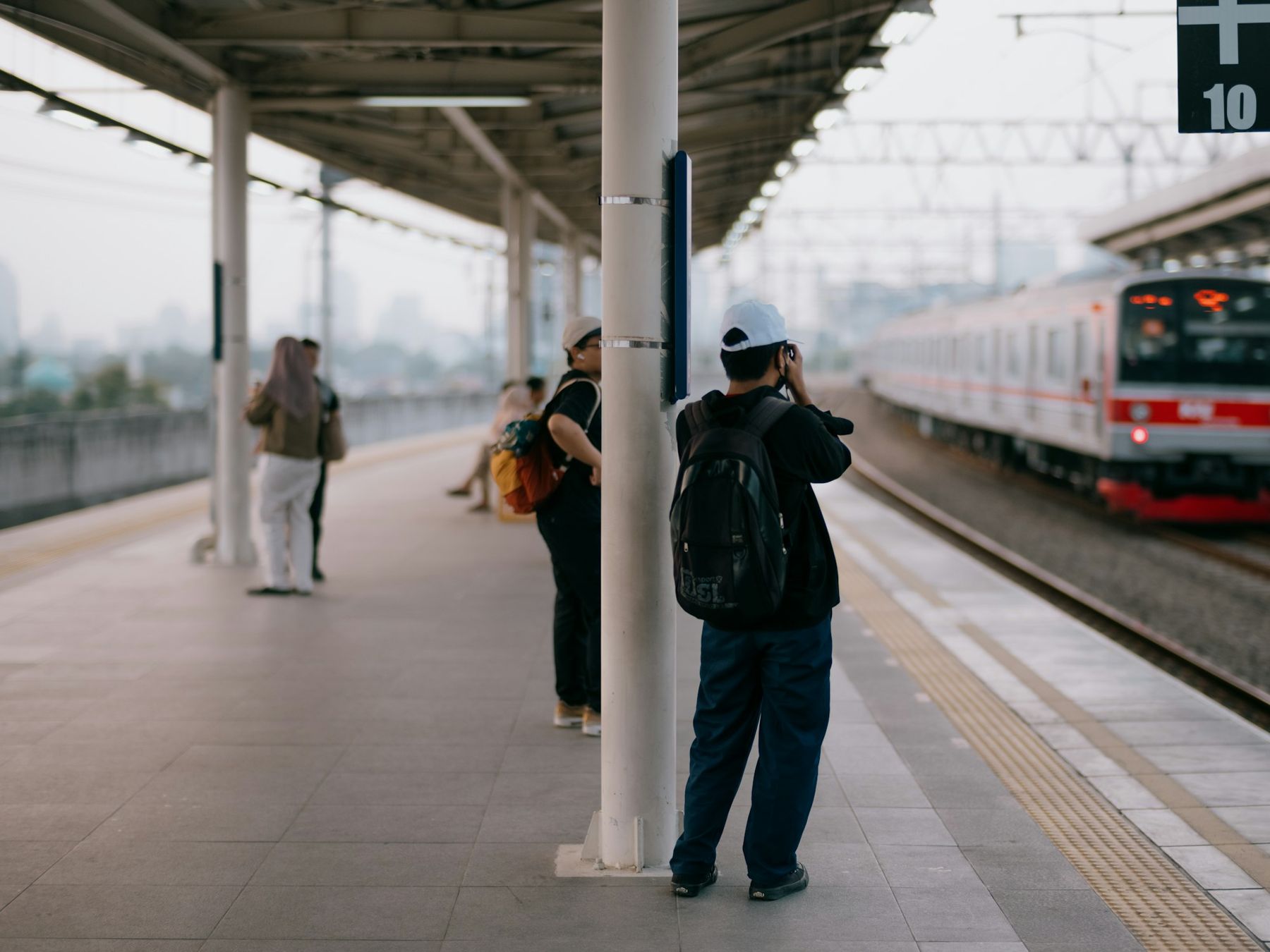
For most teenagers, the phone is not a distraction from the trip; it is how they share it. Treat it as part of the plan. Before you leave, check what roaming will cost on your plans, or whether a local SIM card or an eSIM makes more sense abroad. Rules and prices change, so check with your provider rather than relying on last year's trip.
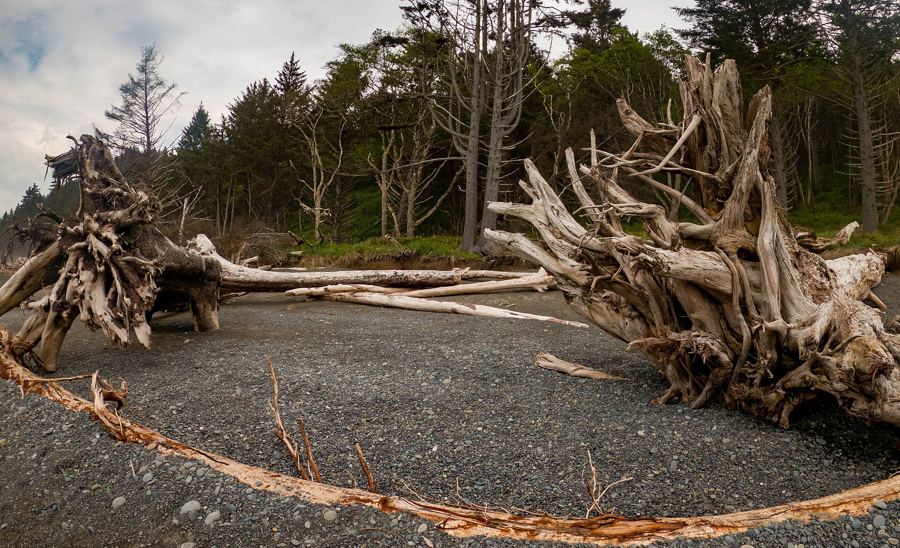
Agree the phone rules before you go, not in the middle of a row. Many families keep meals phone-free and leave the rest alone. Some places will make the decision for you: on the Olympic Peninsula, long stretches of road and rain forest have little or no signal. Tell your teen in advance so it is not a shock, and let them download music and films before you lose signal.
Bring a charger and a power bank for each phone. A teenager with a dead phone is a teenager who cannot meet you at the agreed place.
Privacy and their own space
At home, most teens have a door they can close. On a trip, they may share a room with a parent or a younger sibling for a week. That is often where the sulks start.
Book a room or an apartment with some separation when the budget allows: a sofa bed in another room, a loft, a second bathroom. When it does not, give them a corner and an hour a day of genuine quiet, with headphones on and no questions asked. Knock before you go in, even in a shared space.
 also in the binderA first trip abroad with six- to nine-year-olds6-9
Free time in safe places
Older teens want time without their family, and a well-chosen place can give it. A small town centre, a lakefront promenade, a large park or a theme park with clear meeting points all work. Start with an hour and build up.
- Agree a check-in time and a meeting point, and write both down.
- Make sure they know the name and address of where you are staying.
- Pair up siblings or friends rather than sending one teen alone.
- Agree what they will do if a phone dies or a plan changes.
Be clear about the local rules and customs. Ages for things such as driving, buying alcohol and being out alone at night vary between countries. Talk about them openly before the trip, not after something has gone wrong.
Sleep and the late body clock
Teenagers really do tend to fall asleep later and wake later than adults and younger children. It is not only laziness, and fighting it every day of a holiday is a losing battle.
Plan the days around it. Save early starts for things that need them: a sunrise, a first train up a mountain, a ride before the queues build. Let the other mornings start late, and plan things that work in the evening, such as a walk, a sunset or a late dinner. Two early starts in a row is usually the limit before the mood turns.
Early starts worth the fuss
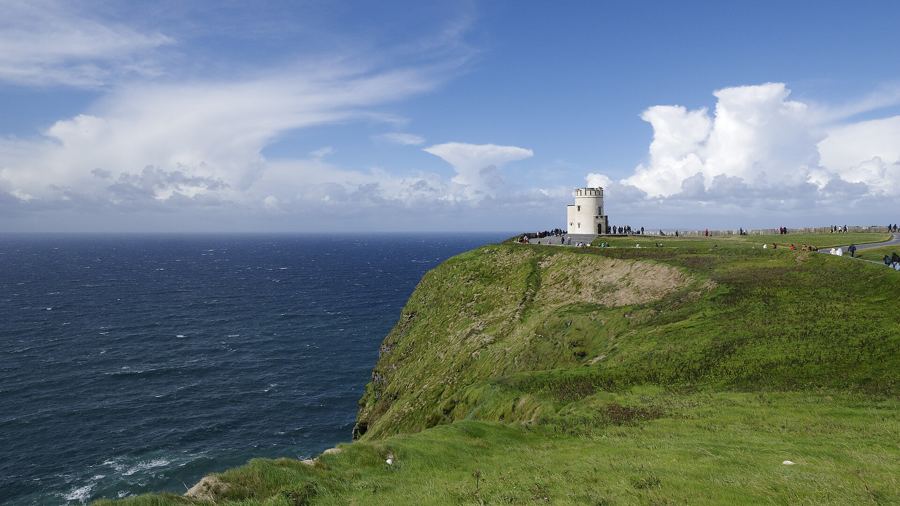
Some mornings are worth waking a teenager for, and they usually know it once they are there. Switzerland is a good example: a trip by train through Lucerne and the Bernese Oberland gives clear early views from the mountain railways before the cloud builds. On the west coast of Ireland, the best light on the cliffs and the quietest roads come early in the day.
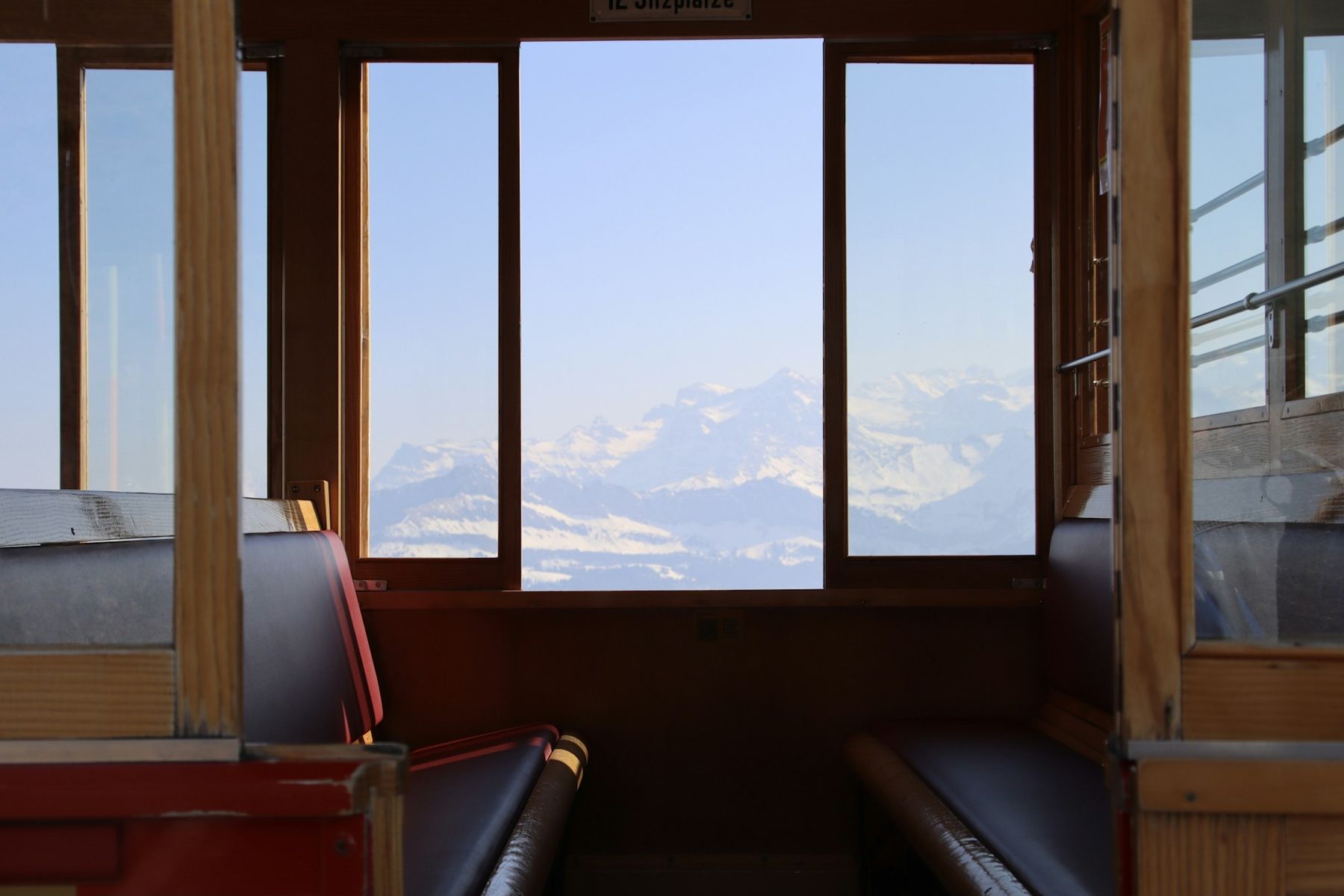
Explain why you are getting up early, promise a good breakfast and keep the afternoon free for rest. A teen who agrees to the plan the night before is far easier to wake than one who hears about it at dawn.
When the sulk arrives anyway
It will, at some point. Tiredness, hunger, a message from home or a change in plan can tip a good day over. Give space rather than a lecture, offer food, and come back to it later. Often a walk with one parent, alone, does more than a family conversation.
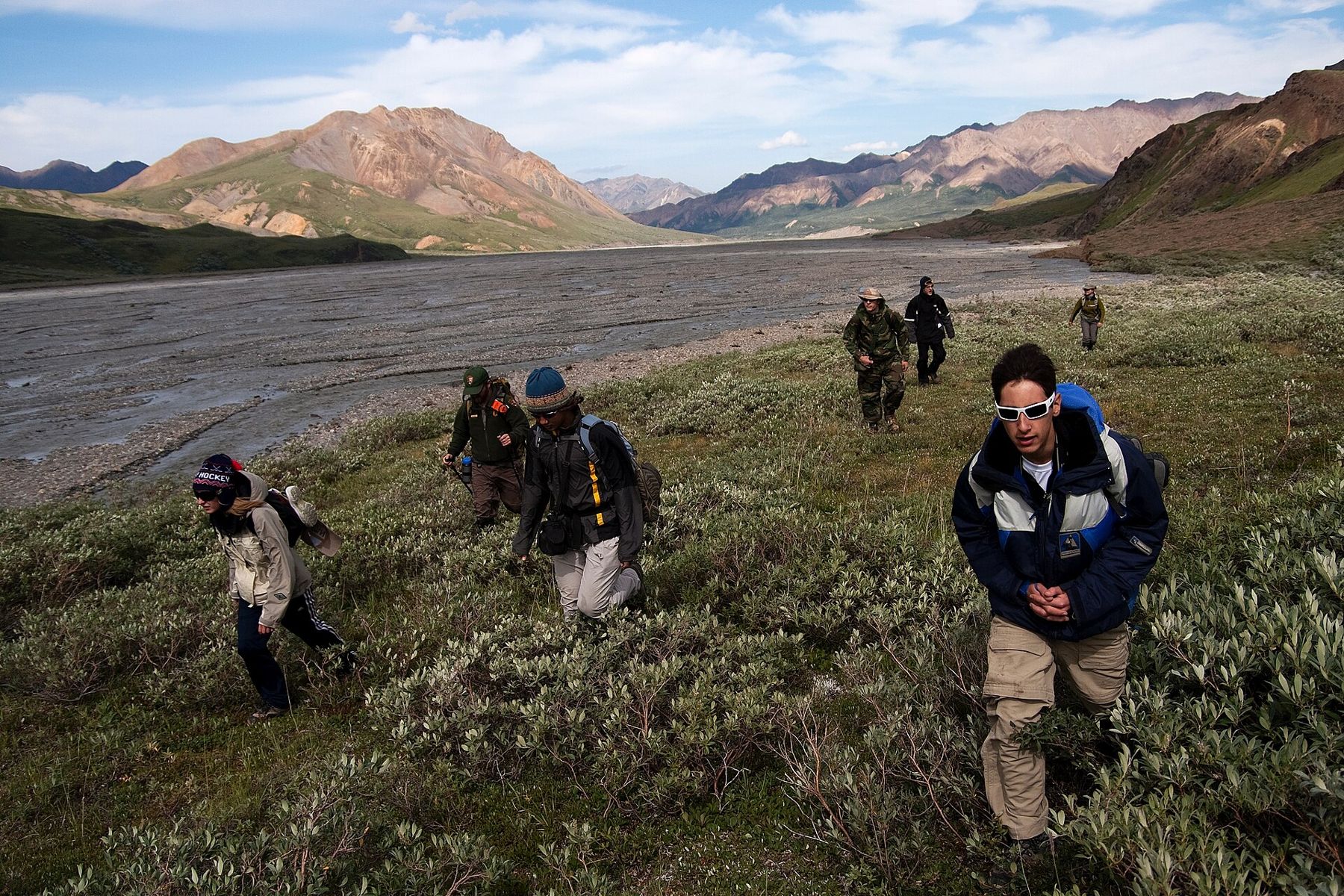
Watch for the patterns. If the mood drops every afternoon, the days may be too long or lunch too late. If it drops after every museum, swap one for something outdoors. Many teenagers are happier when they have something physical to do: a bike ride, a swim, a hike with a view at the top. A day with movement in it is usually a day with fewer arguments.
Keep the money talk simple, too. A fixed daily amount for snacks and souvenirs, handed over in the morning, removes a whole category of friction. Teens who manage their own spending rarely ask for more, and often come home with some left.
Remember that these trips are numbered. In a few years they may travel with friends instead. A family trip that gave them choices, freedom and enough sleep is one they will want to repeat.