Paris rewards children who are old enough to walk all day, read a map and care a little about what they are looking at, and tweens are exactly that. At ten to twelve they can climb the stairs of the Eiffel Tower, follow a Metro line across the city, and stand in front of a painting they have seen in books and feel something. They are also old enough to be bored by too much of it, so the trick is balance: one big sight a day, plenty of walking, and long breaks in parks.
This plan covers five days. It assumes a base somewhere central, close to a Metro station, so that you can head back for a rest in the afternoon when legs give out.
Day one: the Seine and the islands
Start in the middle, on the Île de la Cité, the island in the Seine where Paris began. Notre-Dame cathedral stands at its eastern end, reopened after the fire of 2019 and years of restoration. Walk around the outside and look up at the gargoyles; tweens like the idea that some of the strange carved creatures are also drainpipes. Entry arrangements and queues change, so check before you go.
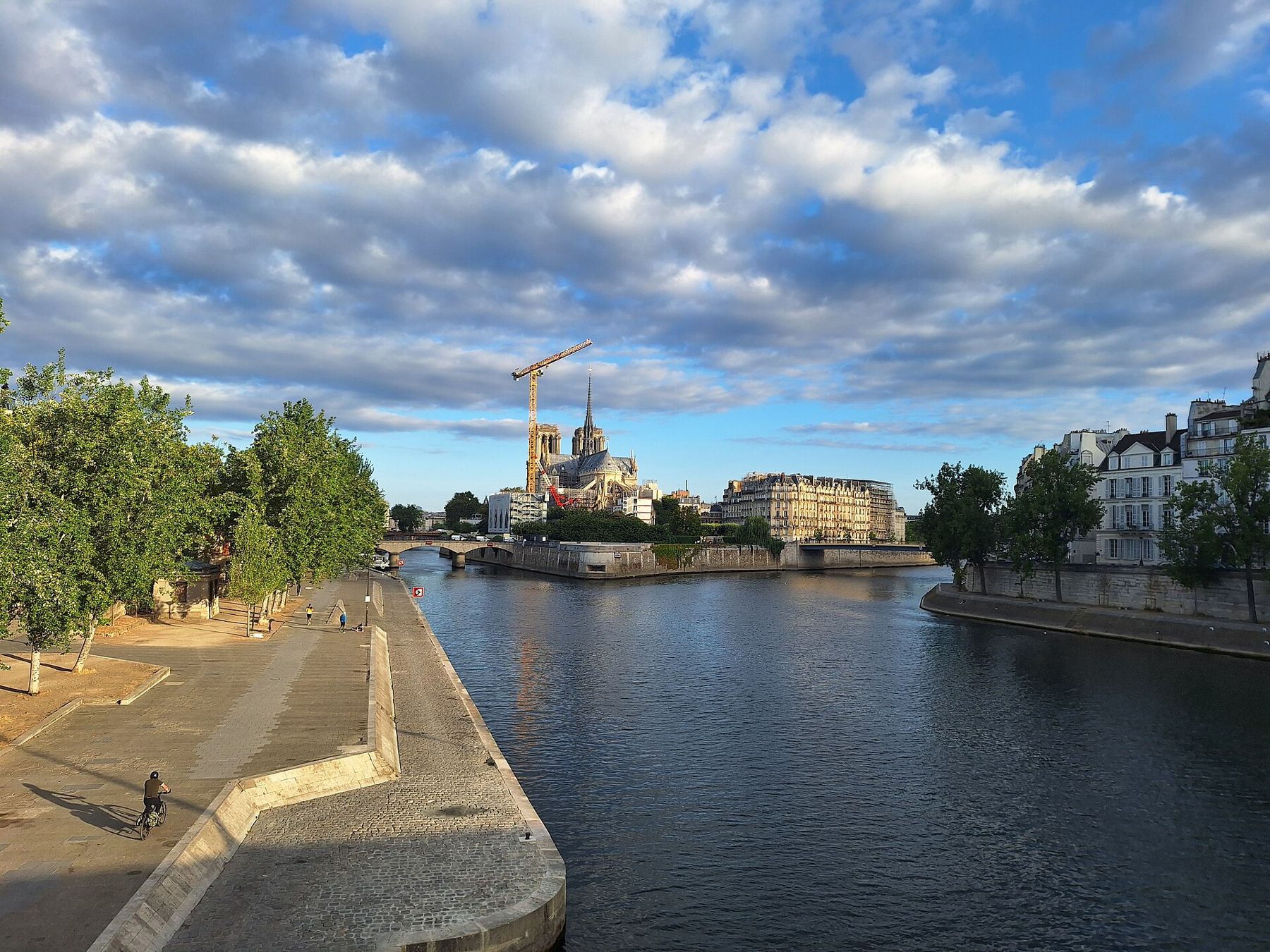
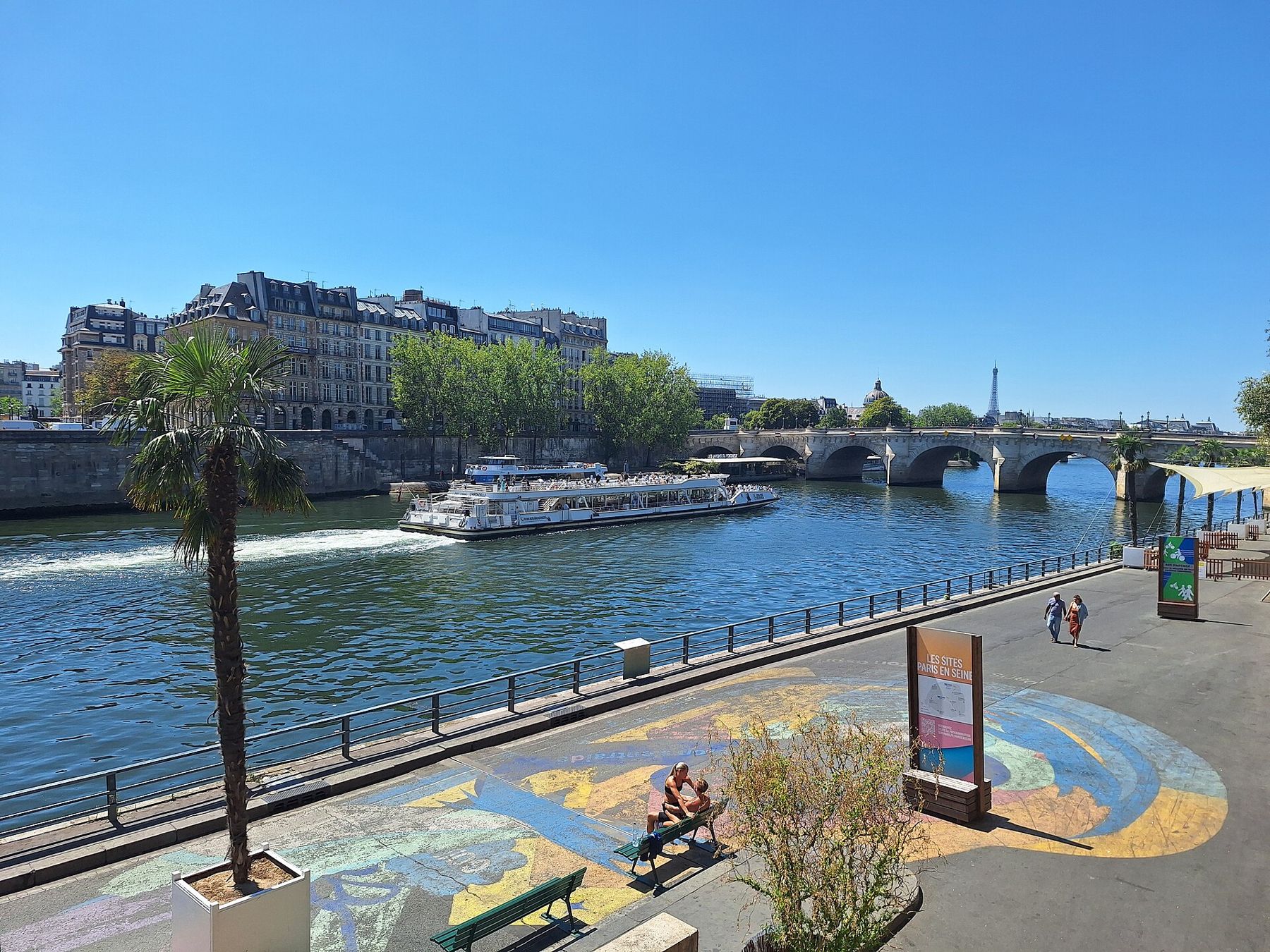
From there, cross to the Île Saint-Louis, then walk the quays along the river. The lower embankments run right beside the water in many places, and some stretches are closed to traffic. Watch the boats go by, look for the second-hand booksellers in their green boxes on the walls above the river, and let your tweens pick a spot for a picnic lunch.
A boat trip on the Seine is a good way to see the city on the first afternoon, while everyone is tired from the journey. You sit, the sights go by, and it gives tweens a sense of how the city fits together.
Day two: the Eiffel Tower
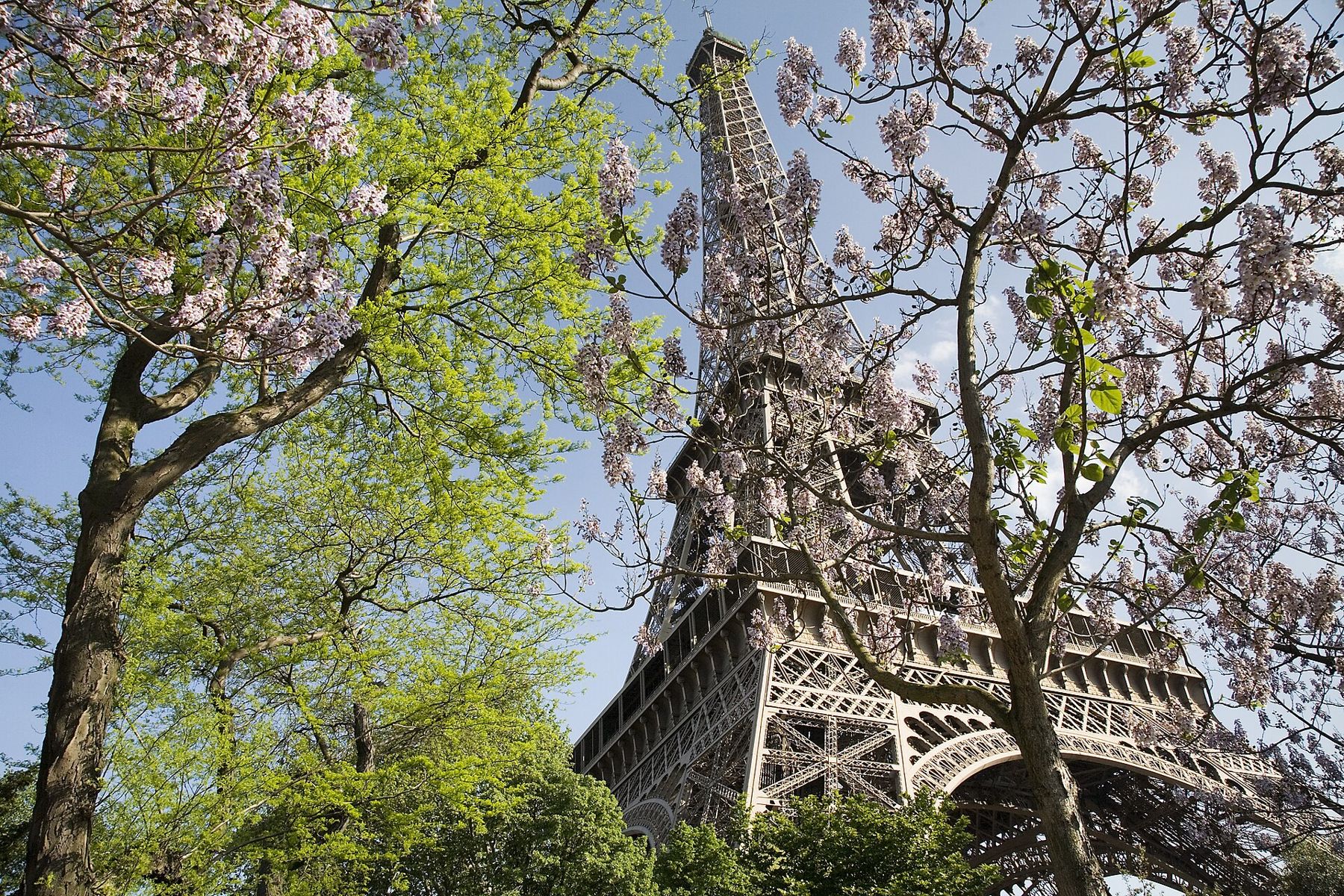
The Eiffel Tower is the one sight almost every tween wants, and it is worth doing properly. Book ahead if you can, as queues without a ticket can be very long. If your tweens are up for it, take the stairs to the second floor: it is a real climb, but the open ironwork gives a sense of how the tower is built that the lift does not. Lifts go on to the top.
Go early in the day or late in the evening for the best chance of a shorter wait. After dark the tower sparkles with lights for a few minutes on the hour, which children of every age seem to love.
Below the tower, the long lawns of the Champ de Mars are the classic place for a picnic. Across the river, the terraces of the Trocadéro have the famous straight-on view of the tower and plenty of room to run around.
Day three: the Louvre in small doses
The Louvre is enormous, and the single biggest mistake families make is trying to see too much of it. Choose three or four things, plan a route, and leave while everyone still likes it. Book a timed entry in advance and arrive at your slot; this is not a place to turn up and hope.
Choose three or four things, plan a route, and leave while everyone still likes it.
A good tween list might be the Winged Victory of Samothrace at the top of a grand staircase, the Egyptian antiquities with their mummies and huge carved figures, the medieval foundations of the old fortress under the museum, and of course the Mona Lisa. Prepare them for the Mona Lisa: the painting is small, the crowd is large, and the experience is more about the crowd than the picture. Many tweens find that funny, which helps.
Give each child a job. One can navigate with the museum map, one can find a painting with an animal in it, one can choose where to stop for a break. Two hours is plenty for most ten-year-olds. Afterwards, walk west through the Tuileries Garden, where there are chairs to rest in and, in some seasons, a funfair.
 also in the binderRome with tweens: four days of ruins, myths and fountains10-12
Day four: the Luxembourg Garden and the Left Bank
The Jardin du Luxembourg is the garden Parisians bring their own children to, and it is a gentler kind of Paris. Around the large octagonal pond in front of the palace, children hire old wooden sailboats and push them out with a long stick, then race around the edge to catch them on the other side. Tweens who think they are too old for it usually last a good half hour.
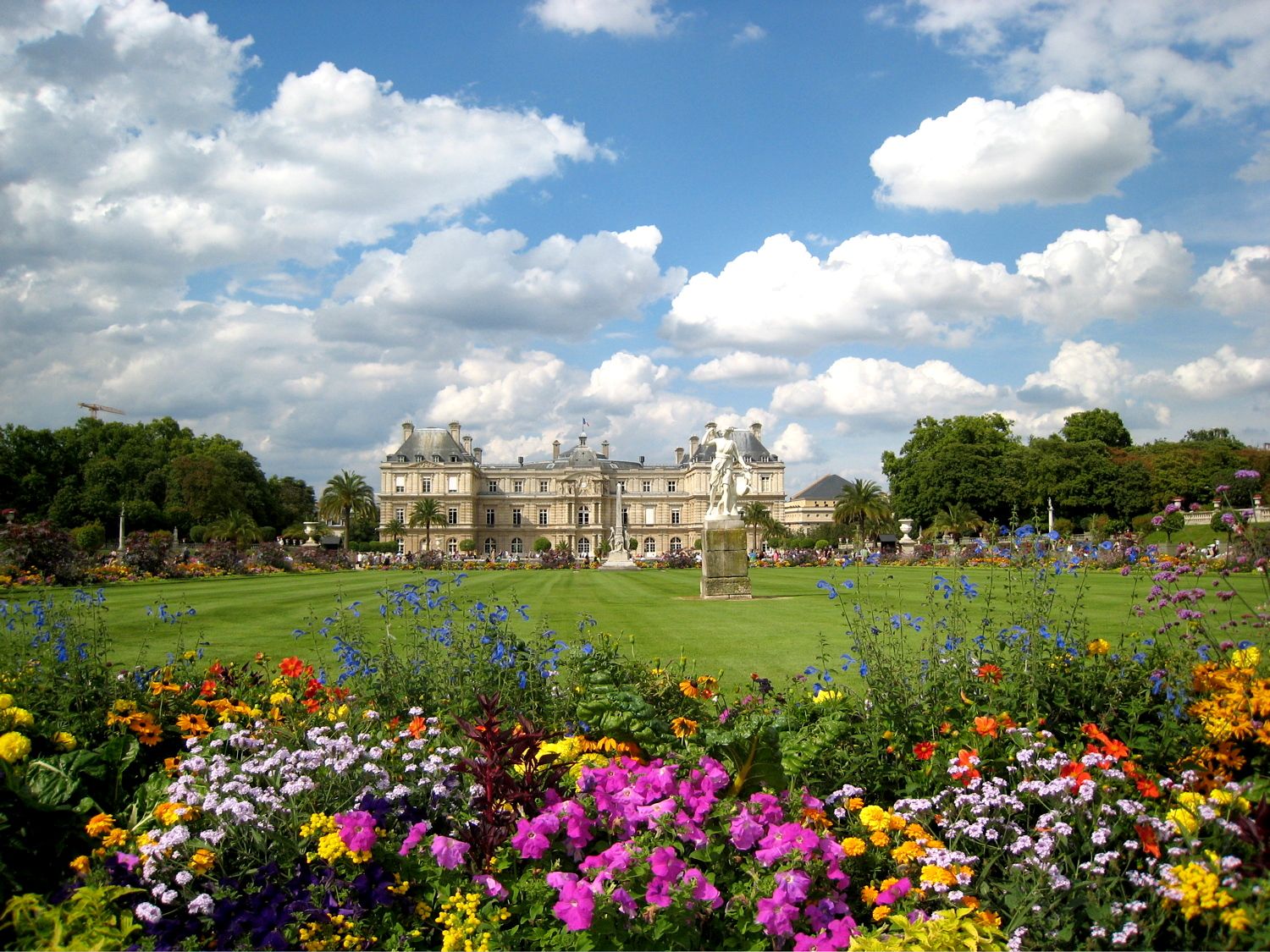
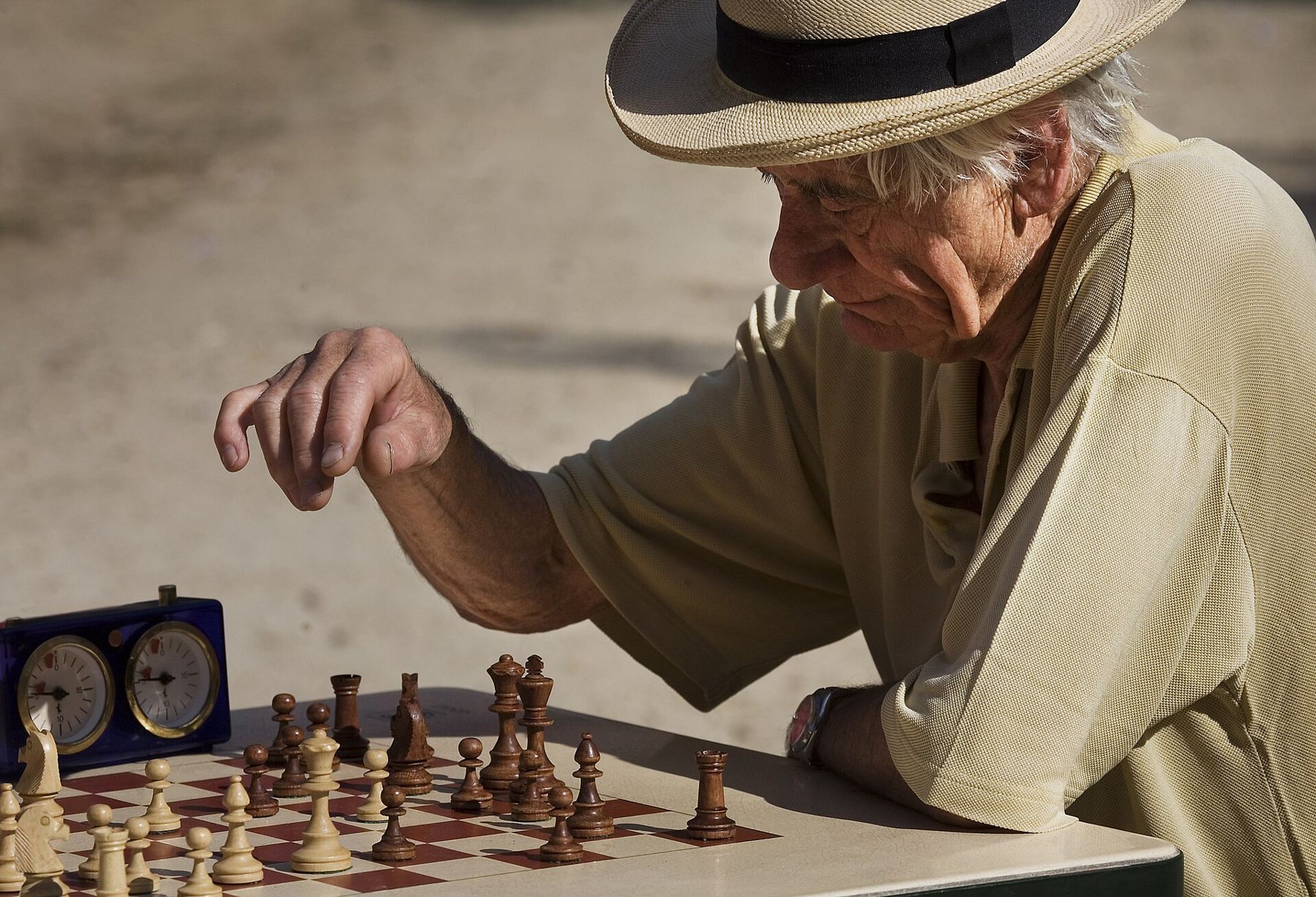
Elsewhere in the garden are puppet shows, pony rides for younger children, tennis courts, and green metal chairs that you are free to drag wherever you like. Older men play chess under the trees, which can be a good moment to teach or play a game yourselves.
From the garden, wander the streets of the Latin Quarter and Saint-Germain, and look for a bakery for an afternoon snack. The Panthéon is close by, where tweens can see a copy of Foucault's pendulum swinging and the tombs of famous French writers and scientists in the crypt.
Day five: Montmartre and the view
Montmartre is the hill in the north of the city topped by the white domes of the Sacré-Cœur basilica. Take the Metro up, then climb the steps or ride the funicular to the top. The view from the front of the basilica looks across the whole city, and tweens can try to pick out the places they have already been.
Behind the basilica, the Place du Tertre is crowded with painters selling their work and drawing portraits. It is touristy, but tweens often enjoy watching an artist at work. Walk on through the quieter back streets, past the small vineyard and the old windmills, and come down the hill slowly. Keep an eye on bags and phones on the steps and in crowds here, as anywhere busy in a big city.
The Metro, meals and the hard moments
The Paris Metro is one of the best things about the city for tweens. Lines are numbered and coloured, and each direction is named after the station at the end of the line. Give them the map on day one and let them get you around; by the end of the week most tweens are better at it than their parents. Ticket types and prices change, so check the current options when you arrive. Stations can have a lot of stairs, and some are very busy at rush hour, so travel light.
The hard moments in Paris tend to be the same few things: long queues, hungry children at the wrong moment, and tired legs. Book timed entries where you can, carry snacks and water, and plan a rest in the afternoon. Many restaurants serve lunch and dinner at set times and do not serve hot food in between, so bakeries and picnics fill the gap.
For tweens who want more of a role in the trip, there are ideas in the guide to giving tweens a job. If you have a spare day and younger siblings in tow, the guide to Disneyland Paris day trips covers the theme park just outside the city.
If you only have one day
If you only have one day, start at Notre-Dame and walk west along the Seine, past the Louvre and through the Tuileries, have a picnic on the way, and end the afternoon at the Eiffel Tower. It is a long walk, but it is flat, and it strings the city together in a way that tweens will remember long after they have forgotten the queues.