Orlando is the theme park capital of the world, and that is the reason most families come. It is also the reason so many leave tired. A few days away from the queues, the noise and the timetables can make the whole trip better. Central Florida has rockets, cold springs, slow rivers and manatees, and all of them are within an hour or so of the parks. For curious six- to twelve-year-olds, these days are often the ones they talk about at school.
Day one: Kennedy Space Center
Kennedy Space Center Visitor Complex sits on Merritt Island on the Atlantic coast, about an hour's drive east of Orlando. It is the public side of NASA's launch site, and it is a full day.
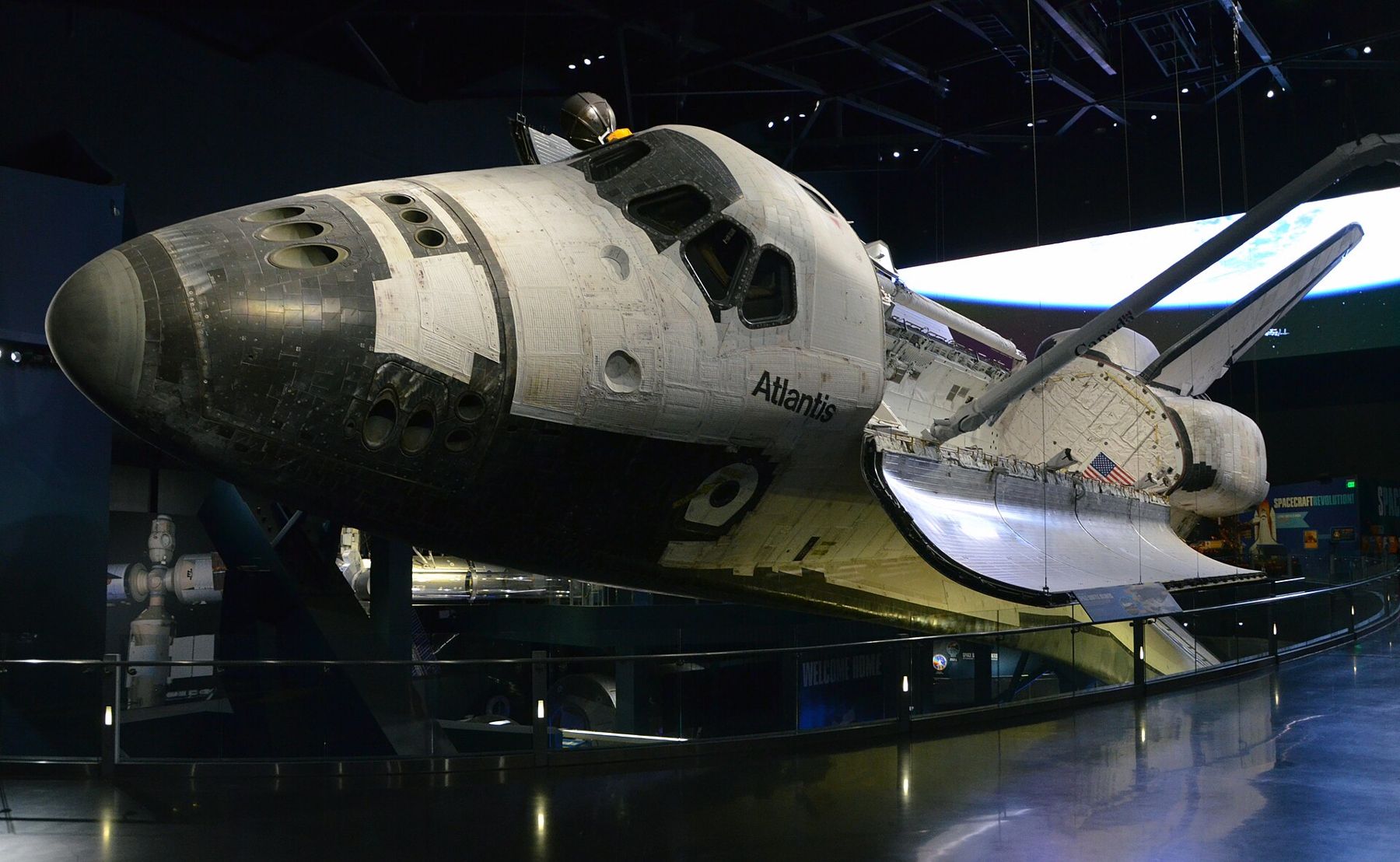
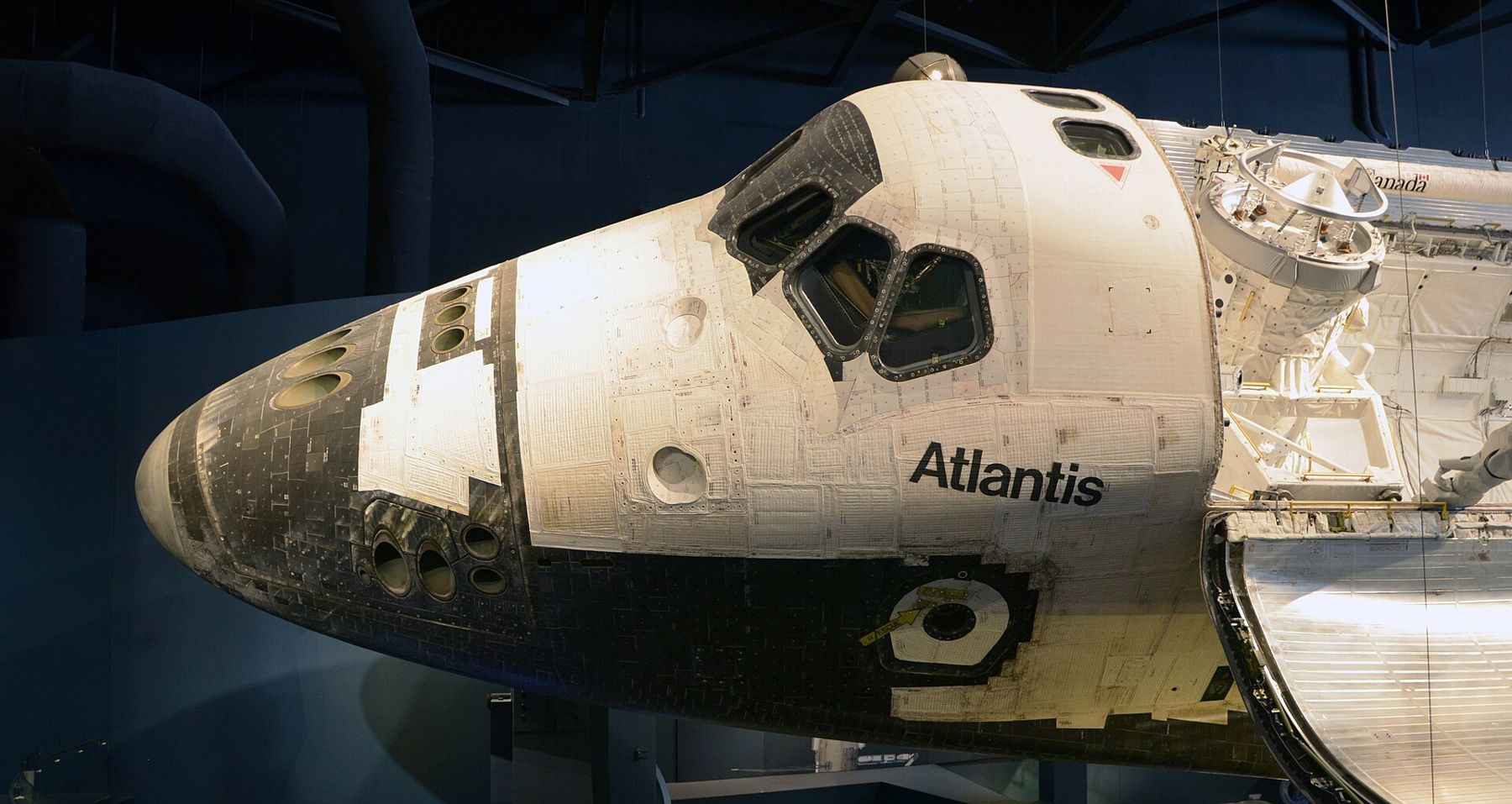
The centrepiece for most children is Space Shuttle Atlantis, displayed indoors as if it were in orbit, tilted, with its payload doors open. Seeing a real spacecraft that flew to space and back, up close and at full size, is something children rarely forget. Around it are exhibits on how the shuttle worked and on the people who flew it.
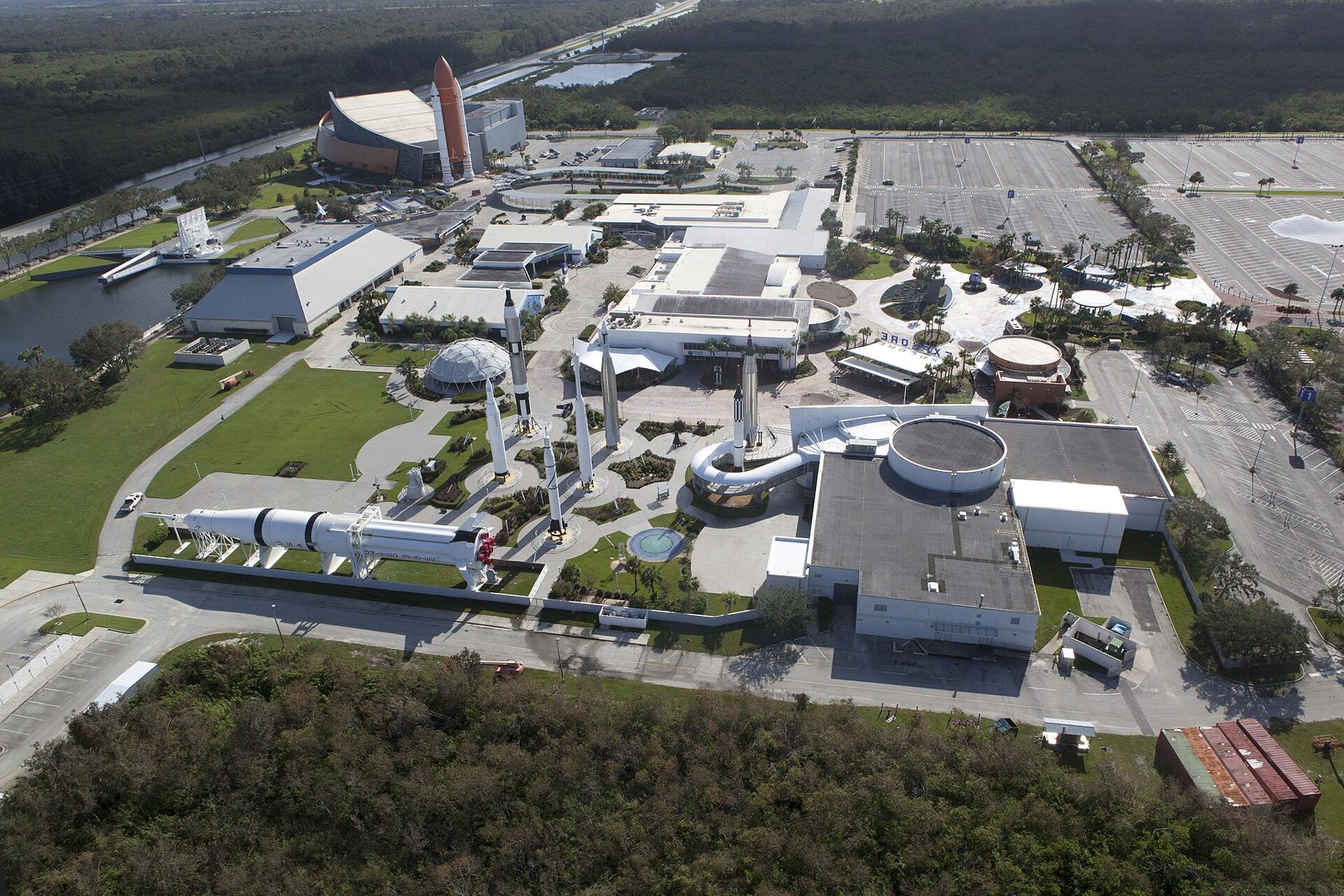
Outside, a garden of tall rockets shows the early years of spaceflight. Bus tours take visitors past launch pads and out to a separate building where a huge Saturn V moon rocket hangs overhead along its full length. The tour times and routes change, so check before you go.
Rockets still launch from Cape Canaveral and Kennedy, and launch schedules shift often. If a launch falls during your stay, the beaches of the Space Coast are good places to watch, and the visitor complex sometimes sells viewing tickets. Even without a launch, the scale of the place is the lesson: the flat marsh, the distant pads and the enormous assembly building on the horizon show children how big spaceflight really is.
Plan the day carefully. Arrive at opening, see Atlantis before the crowds build, take the bus tour around midday when the air-conditioned coach is welcome, and finish with the rocket garden in the softer late-afternoon light. Food is available inside, but a cool bag of snacks and drinks in the car saves time and money. Six- and seven-year-olds may flag by mid-afternoon; let them choose the last exhibit. Tweens can take charge of checking dates; our guide to giving your tween a job has more ideas for handing over real responsibility.
Day two: swimming in the springs
Florida's springs push up clear, cool water from underground, and the water stays at about the same temperature all year, cool in summer and warm by comparison in winter. Swimming in one is a strange and lovely experience for children used to warm pools.
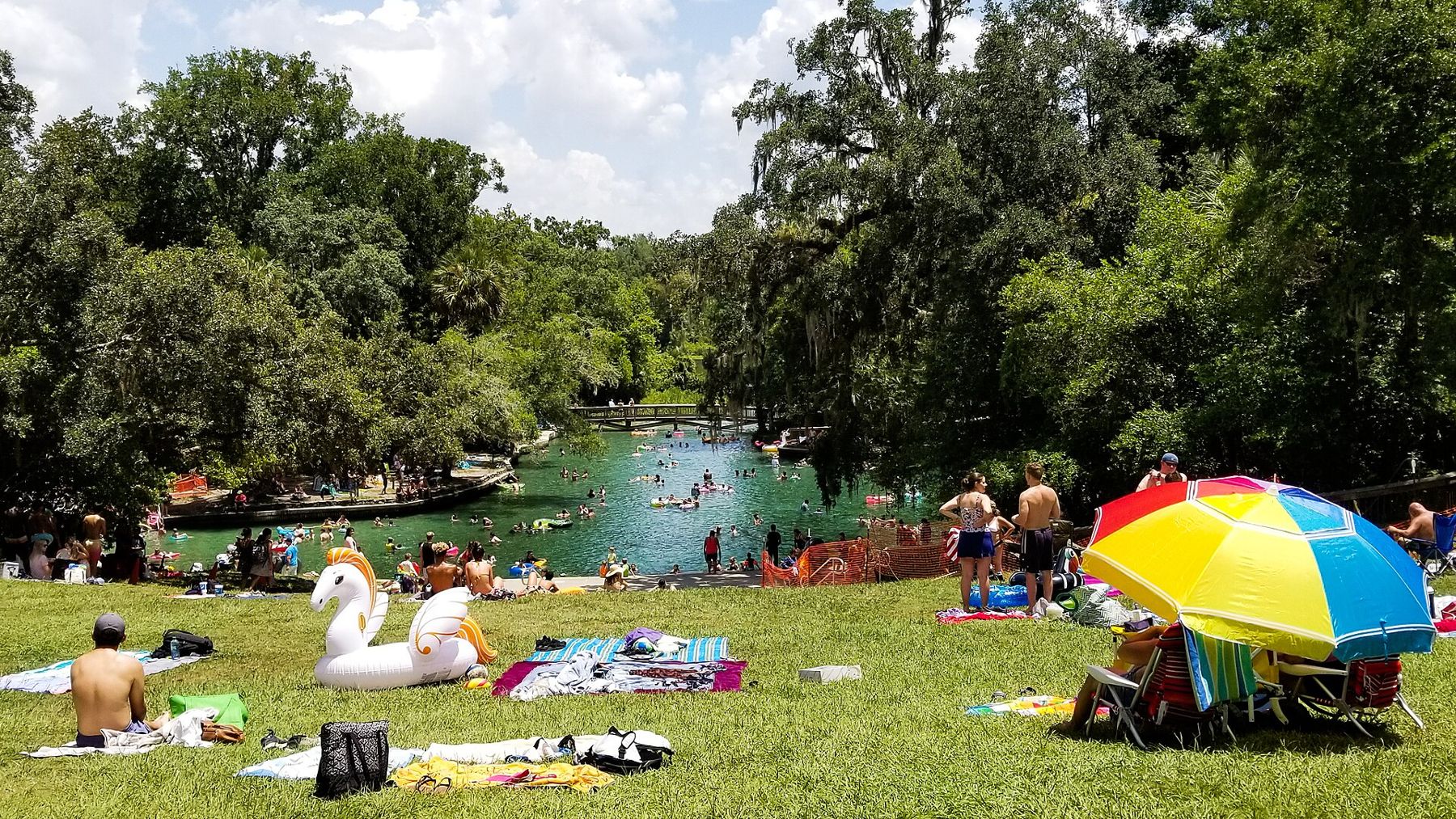
Wekiwa Springs State Park, in Apopka north of Orlando, has a swimming area at the head of the spring, with clear blue water over sand and rock, and a grassy hillside for picnics. Canoes and kayaks can be rented to paddle down the Wekiwa River, past cypress trees and turtles sunning on logs. On hot weekends the park can fill and close its gates for a while, so arrive early.
Spring water is cool and deep in places, so keep children close and swim only where swimming is allowed. Florida's fresh waters are home to alligators; heed signs and stay out of water that is not marked for swimming. Afternoon thunderstorms are common in summer, and lightning closes swimming areas until it passes.
 also in the binderOrlando's big rides with teenagers13+
In winter: manatees at Blue Spring
From roughly November to March, when the St. Johns River turns cold, manatees move into the warmer water of spring runs. Blue Spring State Park, in Orange City about an hour north of Orlando, is one of the best places to see them. On cold mornings, dozens or even hundreds gather in the clear water, drifting, sleeping and surfacing for air.
A boardwalk runs along the spring run, with viewing platforms over the water. Children can watch from above, close enough to see whiskers and scars from boat propellers. During manatee season, swimming in the spring run is closed to protect the animals. Manatees are protected by law; never touch, feed or chase them.
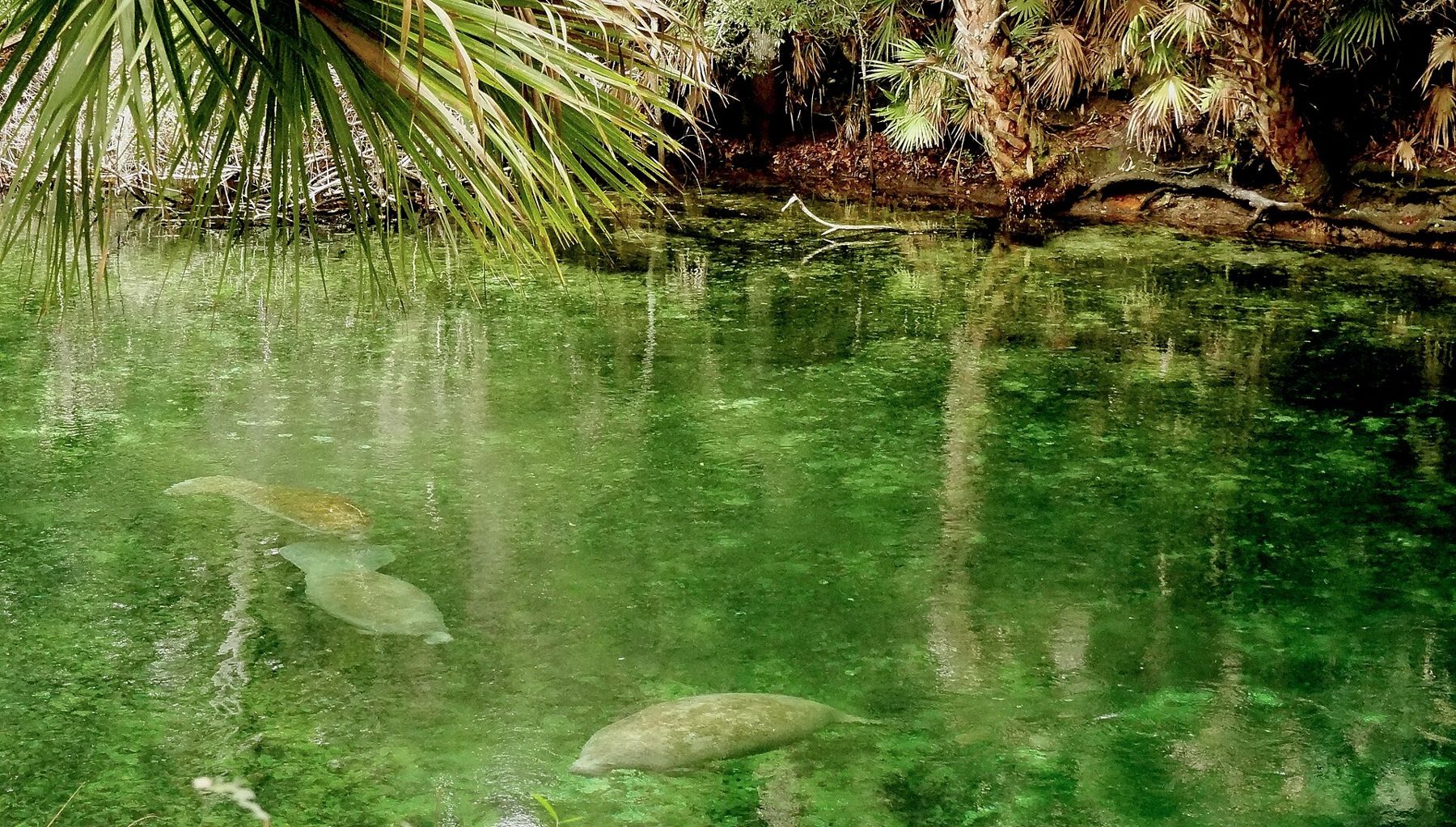
The best viewing is on the coldest mornings, when the most manatees crowd into the spring. Arrive early: the park can reach capacity on winter weekends.
The best viewing is on the coldest mornings, when the most manatees crowd into the spring.
Day three: Winter Park and its lakes
Winter Park, just north of Orlando, is a small town of brick streets, oak trees and lakes. Park Avenue runs past a long, shaded green, with benches and room for children to run.
A pontoon boat tour has run from the end of Morse Boulevard for many decades. It crosses several lakes linked by narrow canals, past large lakeside houses, old trees and the campus of Rollins College. The guides tell stories of the town and the houses, and the narrow canals, with branches nearly touching the boat, delight children. It is about an hour long, shaded and gentle, a good morning after two busy days.
Afterwards, walk Park Avenue, eat lunch in the shade and let the children rest. A quiet afternoon by the pool is a fine way to finish.
If the weather turns, Orlando has good indoor options for curious children. The Orlando Science Center, near Loch Haven Park, has hands-on exhibits on nature, the human body and physics, and suits both six-year-olds and twelve-year-olds. It makes a useful plan for a stormy summer afternoon, when the springs close for lightning and the lakes lose their appeal. Lake Eola Park, in downtown Orlando, is another easy stop, with a path around the lake, swan-shaped pedal boats and room for children to run.
Getting around and the hard moments
You need a car. None of these places is easy to reach without one, and distances are long enough that you will spend an hour or more driving each day. Plan the drives around snacks and rest.
Heat and humidity are the biggest challenges from late spring to early autumn. Mosquitoes can be fierce near water, especially at dusk; long sleeves and repellent help. Sun is strong all year. In winter, mornings can be surprisingly cold, and children should have layers.
Bring swimsuits, towels, water shoes and a dry bag to the springs, along with a cool bag of lunch, because food options inside the state parks are limited. Children who are not strong swimmers will be happier in a life jacket in the deeper, colder spring water.
The other hard moment is crowds: the springs and the space centre are popular, and winter weekends at Blue Spring are busy. Arrive early, bring snacks and be ready to move on if a park is full.
If you only have one day
Choose Kennedy Space Center. It is the most memorable day, and it works for six-year-olds and twelve-year-olds alike. In winter, a morning at Blue Spring and an afternoon at the space centre is possible, though long. Families heading to Washington later might enjoy comparing Atlantis with the spacecraft in our guide to Washington, DC with tweens, and anyone looking for a gentle first sailing will find one in our guide to a first family cruise with tweens from nearby Port Canaveral.