Rome is a city where children can stand on the spot where something happened two thousand years ago, and tweens are the right age to care. At ten to twelve, many have learned some Roman history at school, read books of myths, or played games set in the ancient world. They can walk long distances, they enjoy a gruesome detail, and they are old enough to sit still in front of something old for a few minutes before needing to move again.
Four days is enough for a first visit if you choose well. This plan puts the ancient city first, then the fountains and piazzas, then a day of art or open space, with early starts throughout to beat the heat and the crowds.
Day one: the Colosseum, the Forum and the Palatine
Start with the Colosseum, which is what most tweens have come to see. Tickets are timed and usually combined with the Roman Forum and the Palatine Hill; book in advance, and book the earliest slot you can. Rules on tickets and access to different parts of the site change, so check before you go.
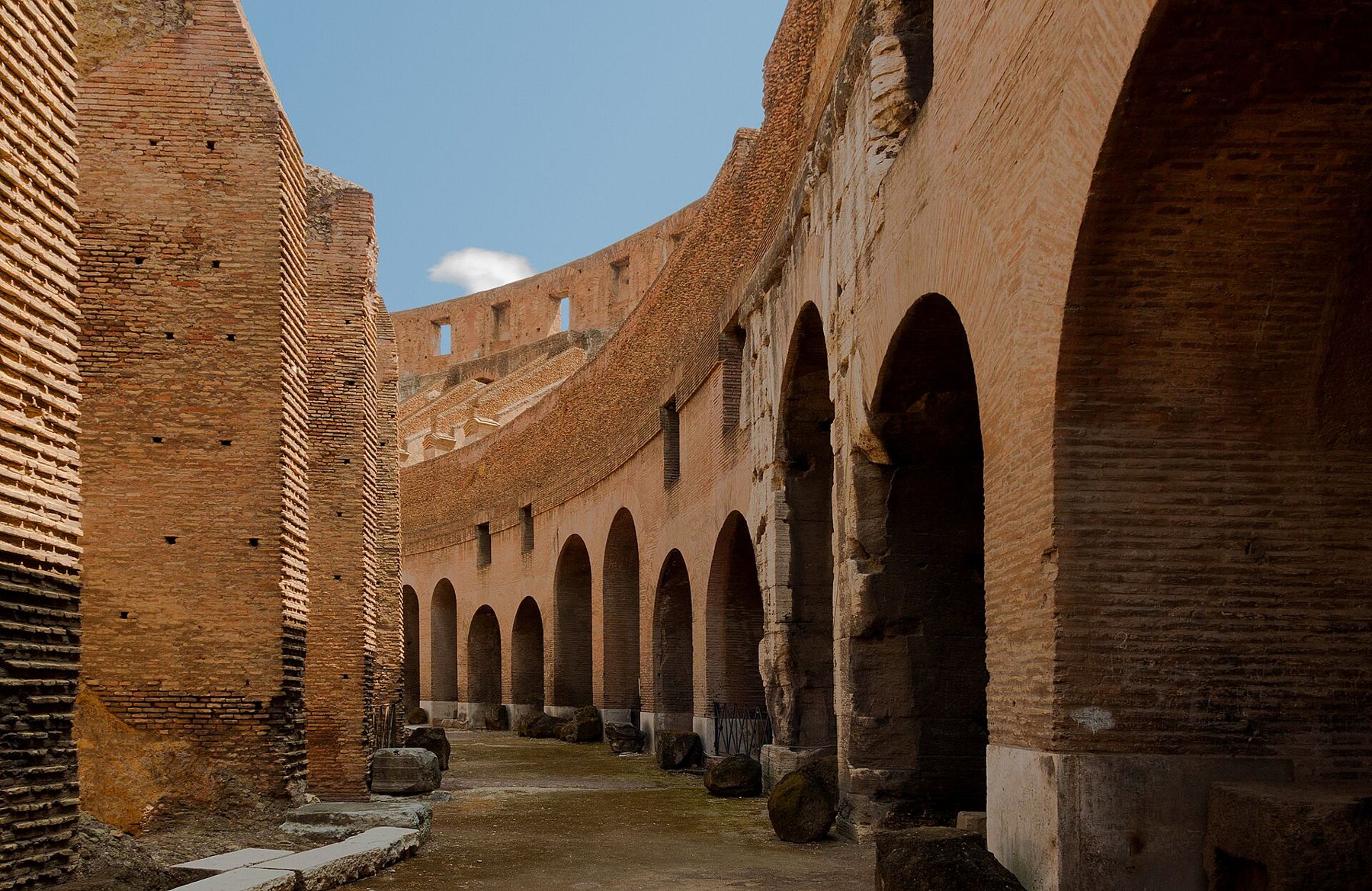
Inside, the scale is what strikes children first. Tens of thousands of spectators once sat here to watch gladiator fights, wild animal hunts and public executions. The arena floor has gone, so you can look down into the hypogeum, the maze of tunnels and rooms underneath where animals and fighters waited before being lifted up into the arena. Some tours visit the underground and the upper levels; they are worth it for tweens if you can get a place.
Talk about gladiators before you go. They were often slaves or prisoners, but some were volunteers, and the most successful became famous. Not every fight ended in death, and the crowd and the emperor could decide the fate of a loser. Tweens tend to have a lot of questions, and the corridors around the arena are good places to answer them.
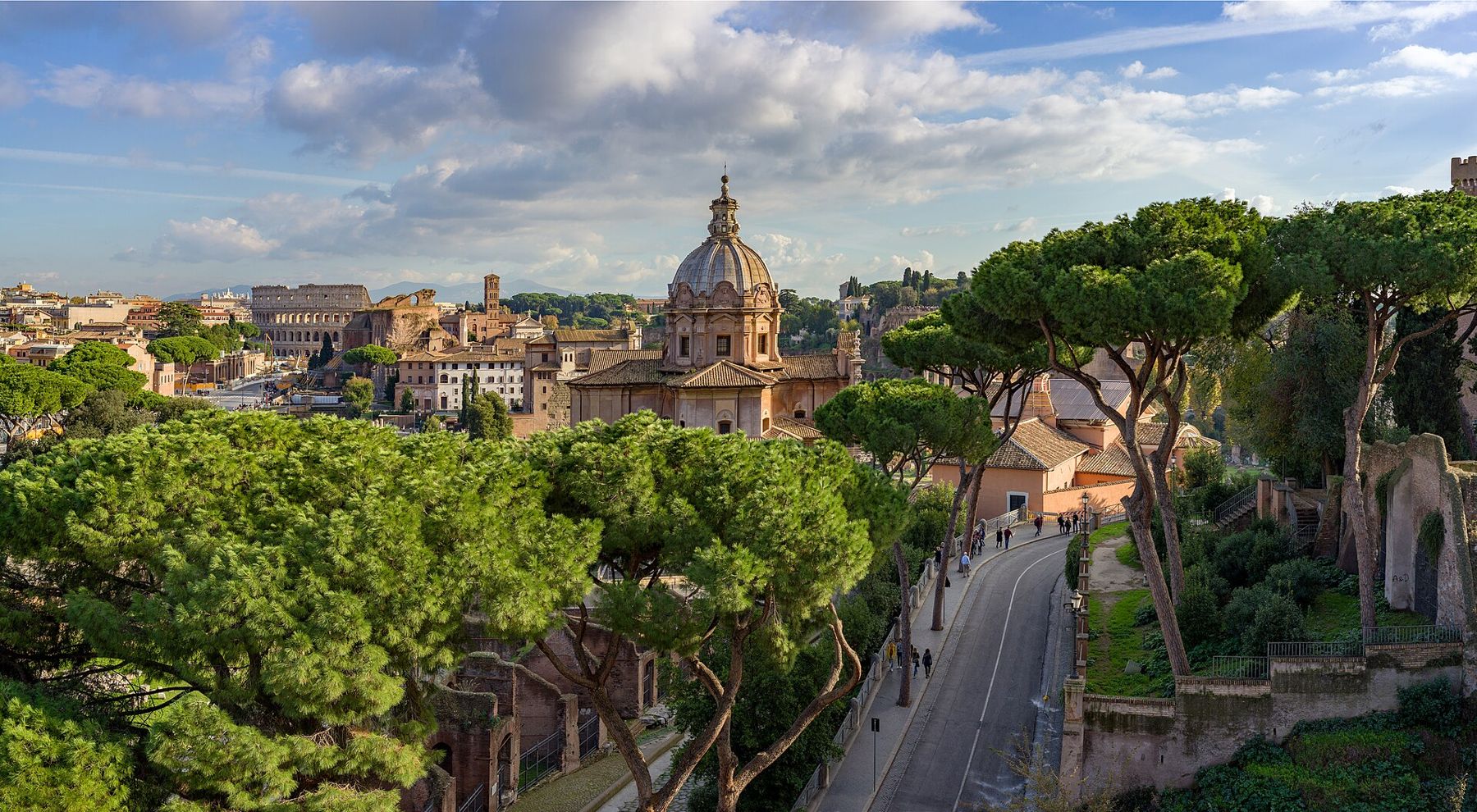
From the Colosseum, walk into the Roman Forum. This was the centre of the ancient city, with temples, law courts and the main road, the Via Sacra, running through it. Today it is a field of broken columns and ruined walls, and it can be hard to picture without help. A guidebook with reconstructions, or a guide, makes a big difference.
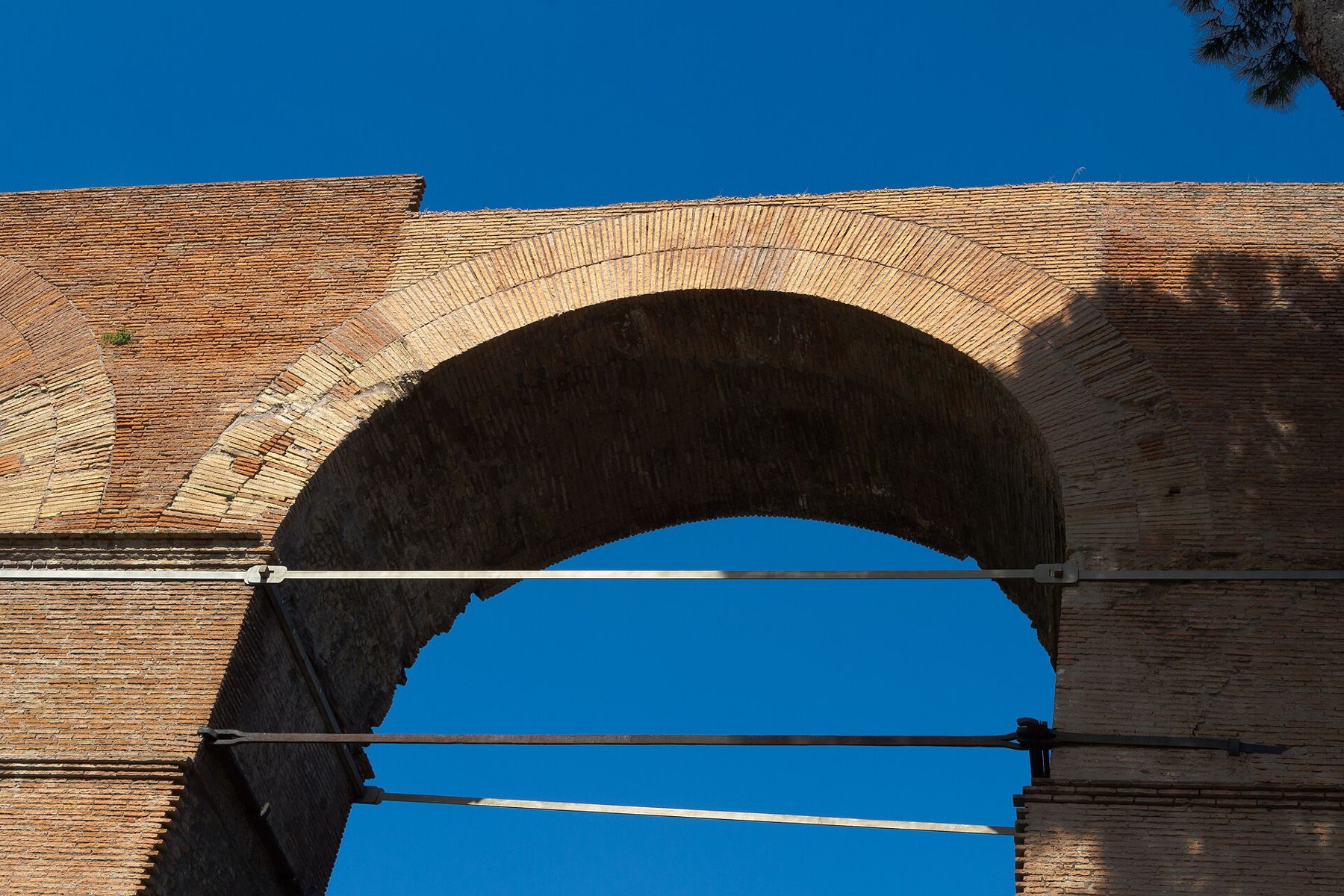
Above the Forum is the Palatine Hill, where, in legend, Romulus founded the city. Tell the story before you climb: the twins Romulus and Remus, abandoned by the river, saved by a she-wolf, and the quarrel that ended with Remus dead and the city named after his brother. The Palatine is greener and quieter than the Forum, with shade and views, and a good place to rest.
The Colosseum, Forum and Palatine are a full day for most families. Stop by early afternoon, eat, and rest through the heat.
Day two: the Pantheon and the piazzas
The Pantheon is the best-preserved building of ancient Rome, and it is still in use as a church. The great dome has a round opening at the top, the oculus, open to the sky. When it rains, the water falls straight through onto the floor and drains away through small holes. Tweens love that. Check the current arrangements for entry, as rules and tickets have changed in recent years.
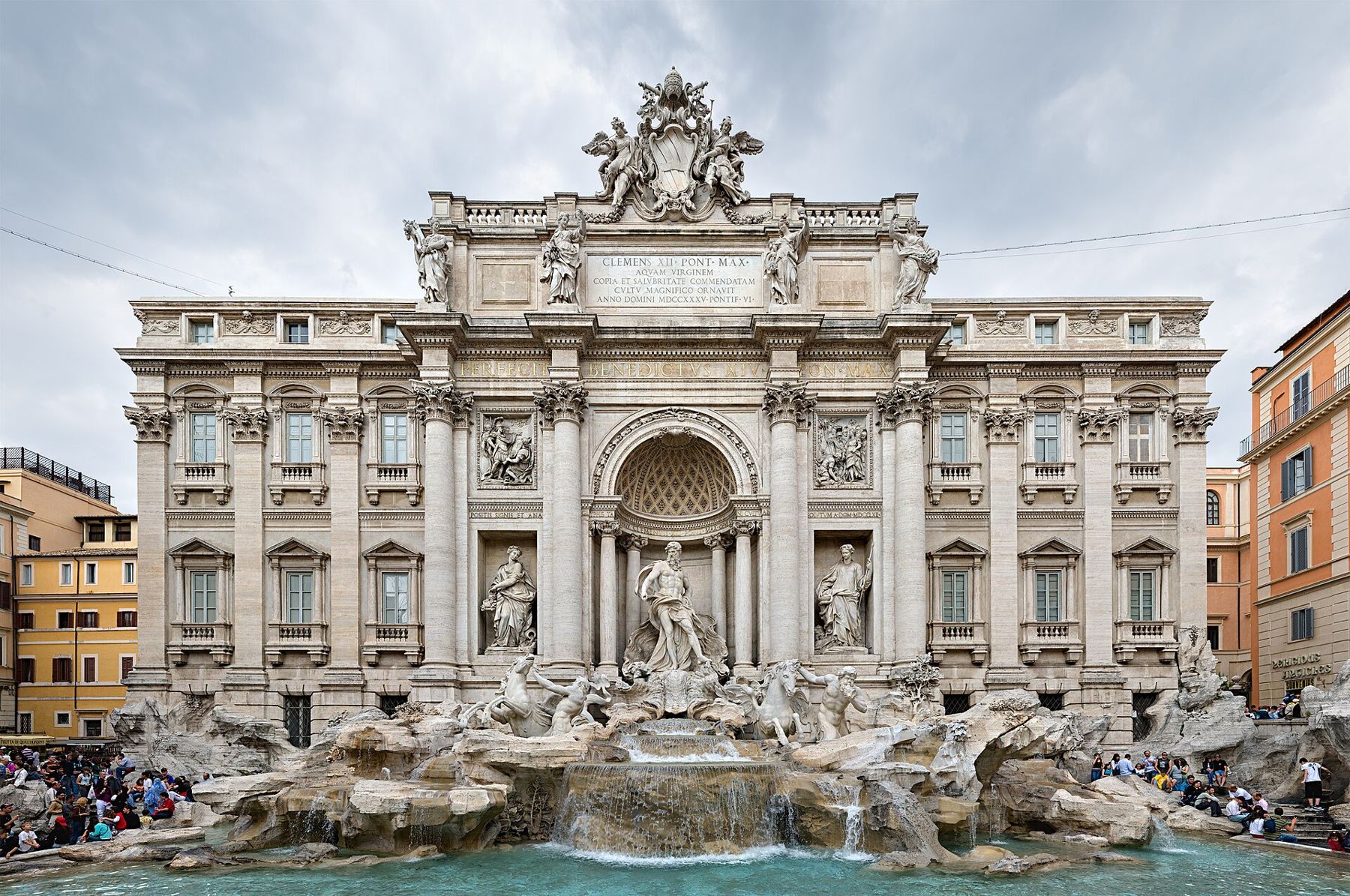
From the Pantheon it is a short walk to Piazza Navona, a long oval square built on the site of an ancient stadium, which is why it has that shape. In the centre is Bernini's Fountain of the Four Rivers. Then walk to the Trevi Fountain, the most famous fountain in the city. The tradition is to throw a coin over your shoulder into the water, said to mean you will return to Rome. The coins are collected and given to charity. Go early in the morning; by midday the crowd can be overwhelming.
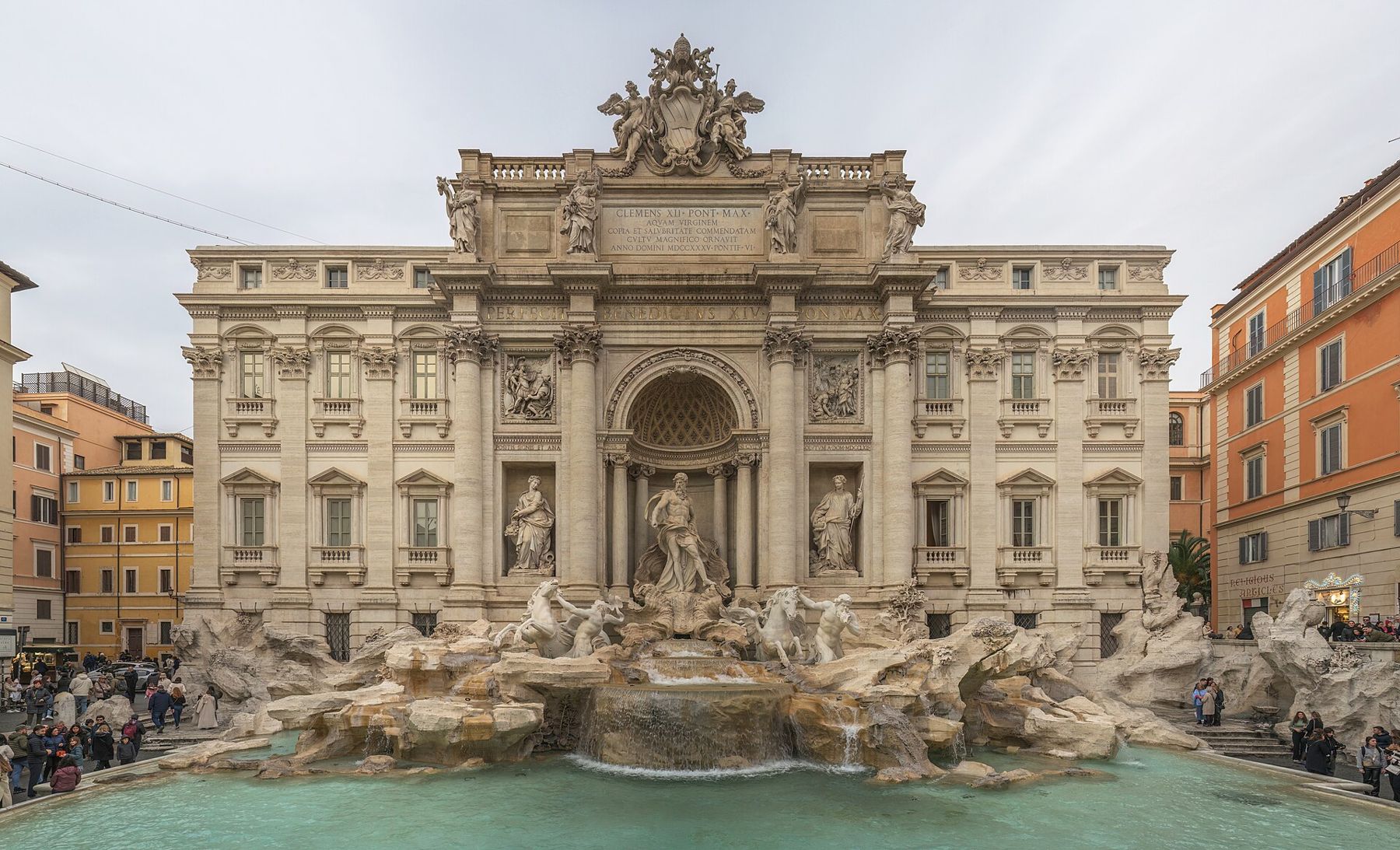
Go early in the morning; by midday the crowd can be overwhelming.
 also in the binderParis with tweens: five days that leave room to wander10-12
Day three: myths and the Capitoline Hill
The Capitoline Museums sit on the hill above the Forum. They hold the bronze statue of the she-wolf from the Romulus and Remus story, the huge head and hand of a statue of the emperor Constantine, and a view down over the Forum from inside the building. It is a compact museum and suits tweens well.
Nearby, the Bocca della Verità, the Mouth of Truth, is a large carved stone face set into the porch of the church of Santa Maria in Cosmedin. The legend says that if a liar puts their hand into the mouth, it will be bitten off. Tweens find it irresistible. There is usually a queue, but it moves quickly.
In the afternoon, cross the river into Trastevere, a neighbourhood of narrow streets and small squares. It is a good place to wander, eat and watch Roman life in the evening.
Day four: the Vatican or Villa Borghese
Vatican City is a separate country inside Rome. The Vatican Museums and the Sistine Chapel are among the greatest collections in the world, but they are also among the most crowded places in the city. With tweens, book a timed entry and plan a route. The map room, the Gallery of Maps, with its painted maps of Italy, is often a hit.
St Peter's Basilica has a strict dress code: shoulders and knees covered for everyone, including children. Climbing to the top of the dome is a real effort, with narrow stairs near the top, but the view is huge.
If the Vatican feels like too much, spend the day at Villa Borghese instead. It is a large park on the edge of the centre with lawns, a small lake with rowing boats, and bikes and pedal carts to hire. The Borghese Gallery is inside the park, with sculptures by Bernini that tweens can find surprising; entry is timed and must be booked.
Heat, gelato and the hard moments
Rome is hot in summer, and July and August can be very hard on children. Spring and autumn are much easier. Whatever the season, start early, see the outdoor sites in the morning, rest in the afternoon, and go out again in the evening when the city comes alive.
Rome has many small public drinking fountains, called nasoni, which run with cold, fresh water. Carry a bottle and refill it. Tweens like the trick of blocking the bottom of the spout so the water shoots up from a small hole on top.
Gelato deserves its own rules. A common rule of thumb is to look for gelato kept in covered metal tins rather than piled high in bright colours, which can be a sign of mass production. One gelato a day, chosen by the tween, is a good bargain to strike at the start of the trip.
The hard moments tend to be heat, queues and too many ruins in a row. Book timed tickets, carry water, plan rests, and mix ancient sites with parks and piazzas. For more on keeping tweens engaged, see the guide to giving tweens a job.
If you only have one day
If you only have one day in Rome, see the Colosseum and the Forum in the morning, rest at lunch, then walk to the Pantheon, Piazza Navona and the Trevi Fountain in the late afternoon and evening. If you are heading on into the Italian countryside, the guide to a week in Tuscany covers the slower side of Italy.