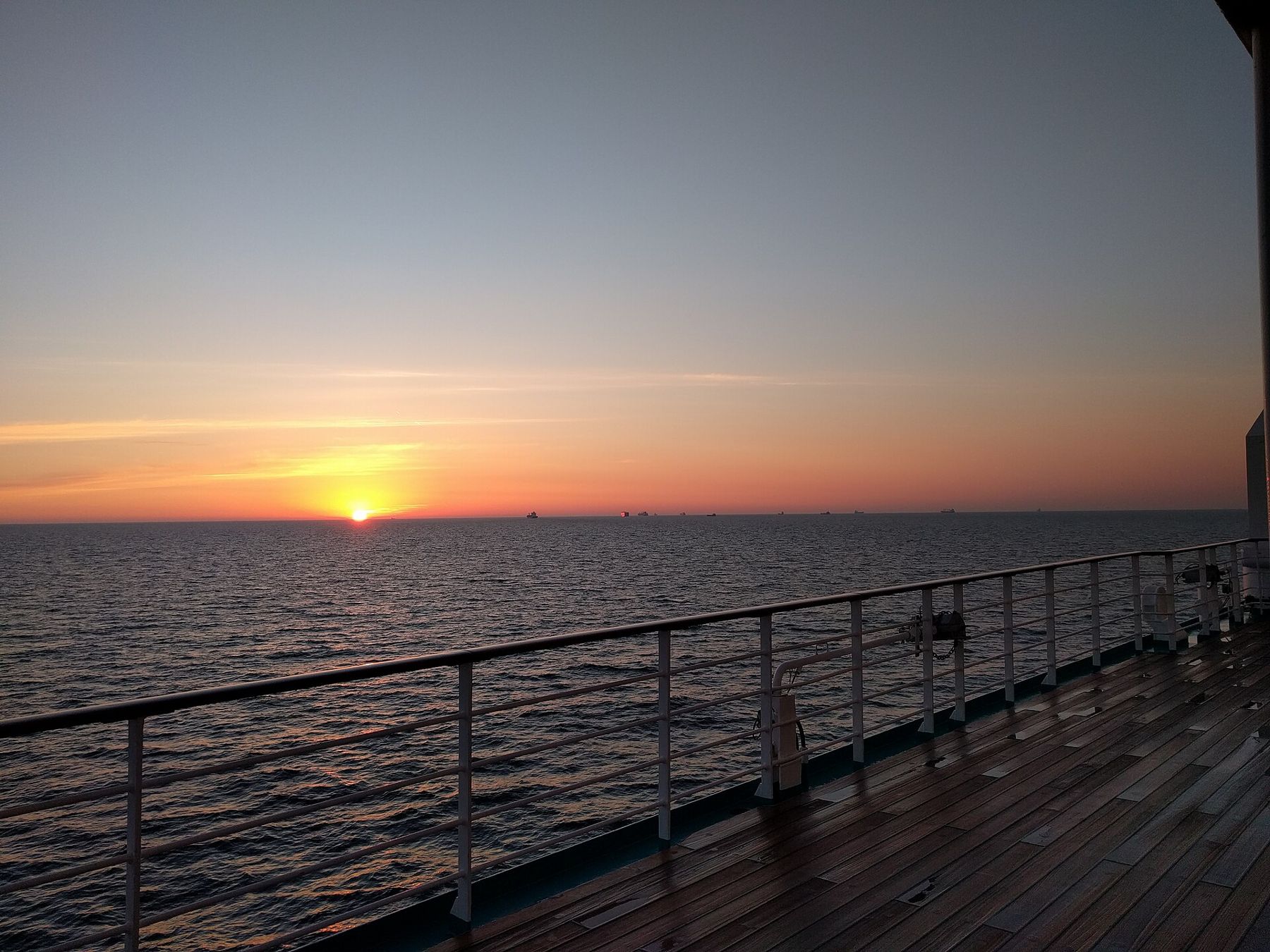
A short cruise from Port Canaveral is one of the easiest ways to try sailing as a family. Three- to five-night trips to the Bahamas leave from Florida's Atlantic coast throughout the year, and ten- to twelve-year-olds are the ideal age for a first one. They are old enough to enjoy some freedom on board and to join a club with children their own age, but young enough to still want to spend the evenings with you.
Port Canaveral and the short Bahamas sailings
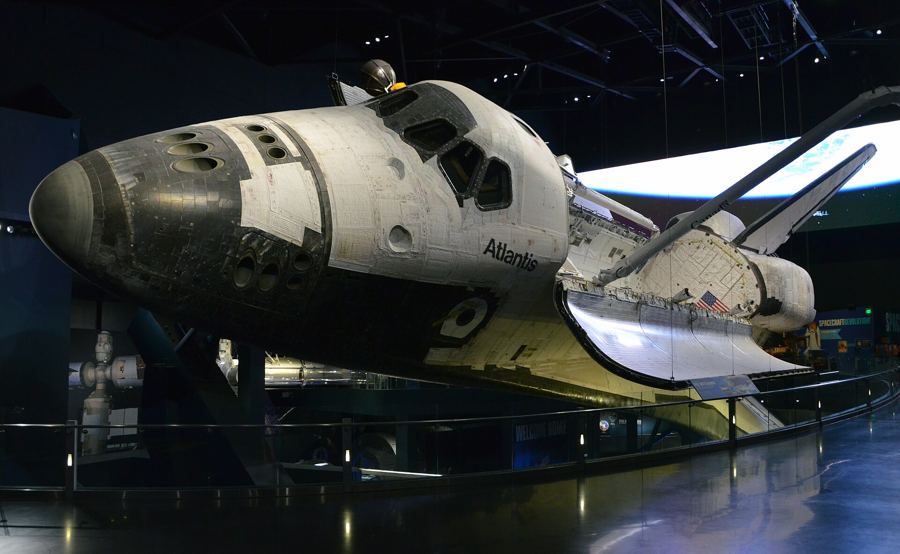
Port Canaveral sits on the Atlantic coast about an hour's drive east of Orlando, beside the launch sites of Cape Canaveral. Many families add a theme park day or a visit to Kennedy Space Center before or after sailing. Whatever you plan, arrive in the area the day before your cruise. Flights are delayed, roads jam, and ships do not wait.
Most short itineraries visit Nassau, the capital of the Bahamas on New Providence island, and spend a day at a private island owned by the cruise line. Some add Freeport on Grand Bahama or a full day at sea. The private island is often the day tweens remember most: a beach with shallow water, snorkelling, slides and the sense of having an island to explore.
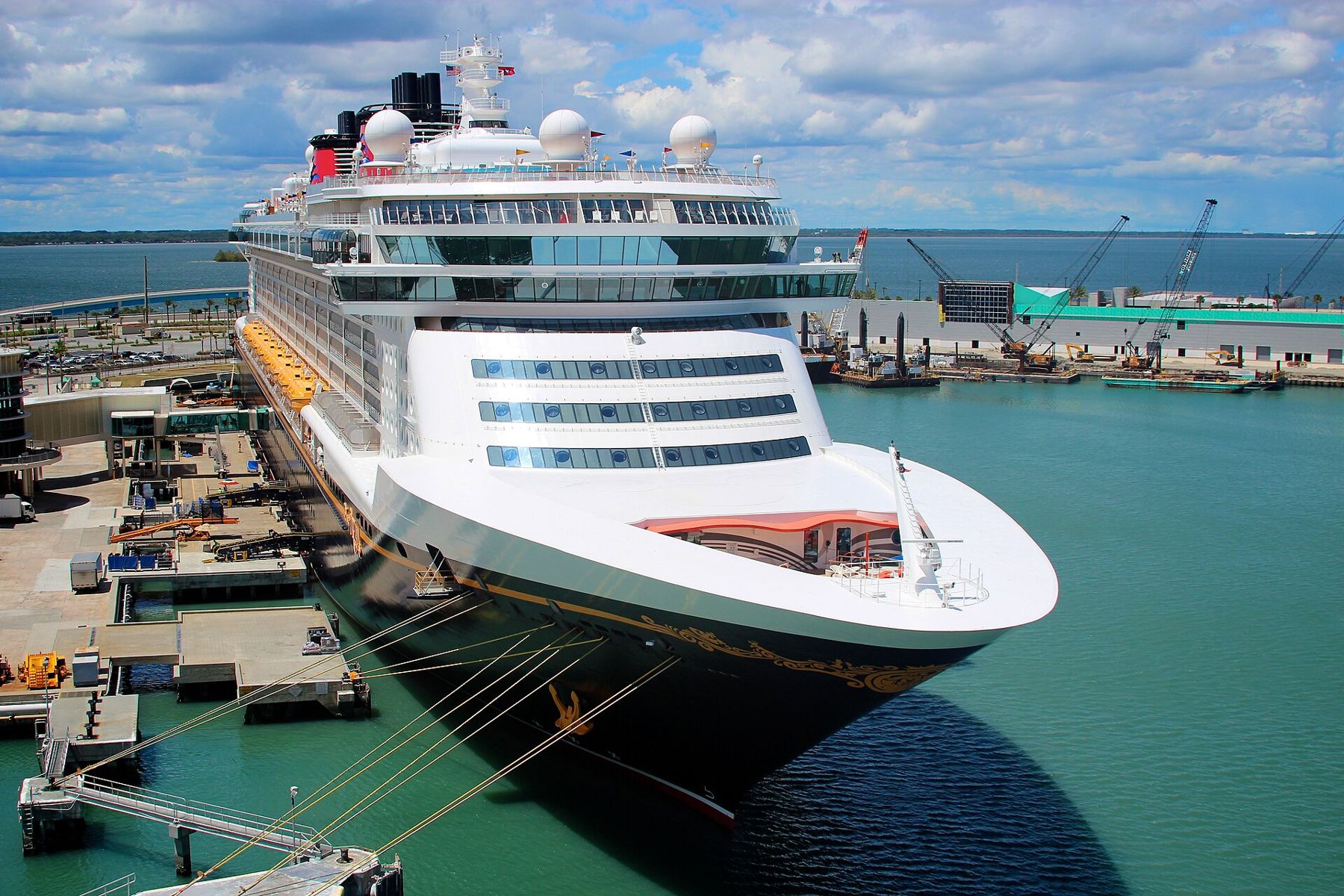
Documents for cruises that start and end in the same US port follow different rules from flying abroad, and those rules change and depend on citizenship. A passport for every member of the family is the simplest option. It also protects you if anyone has to leave the ship in a foreign port and fly home.
Atlantic hurricane season runs from June to November. Ships change their routes to avoid storms, so a summer or autumn sailing may visit a different port or add a sea day. Travel insurance that covers itinerary changes is worth reading closely.
Kids' clubs by age
Family-friendly cruise lines usually split children into age bands, each with its own space and staff. Tweens often have a club of their own, separate from younger children and from teenagers. The exact age bands vary by line and sometimes by ship, so check where your child will fall before you book. A twelve-year-old placed with eight-year-olds may refuse to go; one placed with fifteen-year-olds may feel lost.
Clubs run games, crafts, sports, quizzes and late-night events, and most tweens make friends on the first evening. Some lines allow older children to sign themselves in and out with a parent's permission, while others require an adult. Decide what you are comfortable with before you board, and talk it through with your child.
A ship is a good place to practise responsibility. Our guide to giving your tween a job has ideas that fit well on board: keeping the daily schedule, finding the way to dinner, or managing a small onboard budget.
 also in the binderOrlando beyond the theme parks6-910-12
Independence on board
A cruise ship can feel like a small, safe town, and tweens often enjoy their first real freedom here. It is still a ship, with open decks, deep water and many strangers, so set rules before the first day. Agree the places your child may go alone and the ones they may not, such as open decks after dark. Set check-in times, and a fallback meeting point for when plans slip.
Phones are less useful than at home. Mobile signal at sea is unreliable and expensive, and onboard internet costs extra. Many lines offer a messaging service within the ship, sometimes free or cheap; some families carry small walkie-talkies. Whatever you use, agree a fixed meeting point and time each day that holds even if messages fail.
Onboard purchases are charged to your cabin with a card. Most lines let you set a spending limit on a child's card, or block purchases altogether. Do that on the first day, before the snack bar discovers your tween.
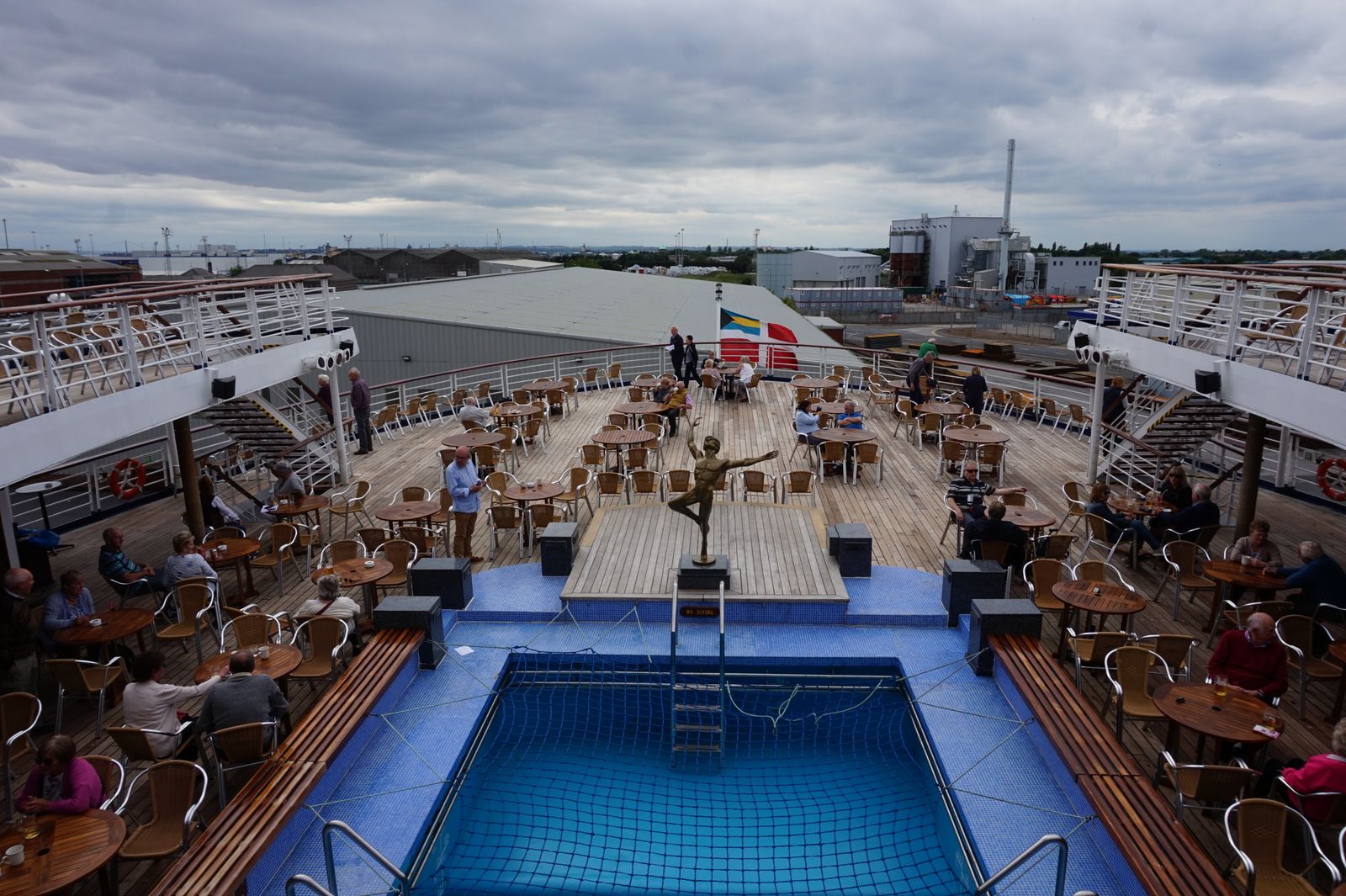
Pools on some ships have no lifeguard. Even strong swimmers should agree the rules for water, and younger siblings should never be in a pool without an adult watching.
A tween with freedom on a ship is learning to travel on their own terms. The same habits carry into the teenage years, as our guide to travelling with teenagers explains.
Seasickness and cabins
The waters between Florida and the Bahamas are often calm, but not always. Winter cold fronts can bring rough seas, and the first night out of port can roll. If anyone in the family is prone to motion sickness, ask your doctor or pharmacist before you go. On board, fresh air, a view of the horizon and a light meal usually help.
Cabin choice matters for seasickness. A cabin low down and near the middle of the ship moves less than one high up at the front or back. Inside cabins have no window, which some families dislike, but they are dark and quiet, and tired children sleep well in them. Ocean-view and balcony cabins cost more; a balcony is lovely, but agree firm rules for it with children of any age.
Connecting cabins suit families with two tweens, giving them a room of their own with a door to yours. Book early if you want them, because there are fewer of them than families who ask.
On the first afternoon, before the ship sails, every passenger takes part in a safety drill. Make it a job for your tween: find the assembly station on the deck plan, walk the route from the cabin, and learn where the life jackets are kept. Children who know the way are calmer if the alarm ever sounds, and the walk doubles as a first tour of the ship. Spend the rest of that afternoon exploring together, so that when you hand over some freedom the next morning, your child already knows the stairs, the decks and the way back to the cabin.
A cruise ship can feel like a small, safe town, and tweens often enjoy their first real freedom here.
The private island and Nassau
On the private island day, go ashore early, find shade and stake out a spot. The sun in the Bahamas is strong all year; hats, long-sleeved swim tops and regular water breaks matter more than anything you pack for the evening. Snorkel kits can usually be rented, and the shallow, clear water suits tweens trying it for the first time.
In Nassau, the cruise port sits next to the old centre of the town. A short walk takes you past pastel colonial buildings to the Queen's Staircase, a long flight of steps cut into limestone, and up to Fort Fincastle with views over the harbour. Tweens with an interest in history enjoy both. Cable Beach and other beaches are a short ride away for families who would rather swim.
Check the time the ship leaves port and set your watches by the ship's clock, not your phone, which may change time zone on its own. Plan to be back on board well before the final call. Ports are busy on cruise days, taxis can be slow and the ship will sail without late passengers.
If you only have one day
You cannot cruise in a day, but you can test the idea. Spend a day at the coast near Port Canaveral watching ships leave in the late afternoon, then decide together whether a sailing appeals. If it does, choose a three-night trip for your first cruise. If your tweens love it, the next one can be longer. Families who want to stay on land around Orlando will find quieter days in our guide to Epcot and Hollywood Studios.