Chicago suits six- to nine-year-olds well. The big sights sit close to Lake Michigan, the trains run above the streets where children can watch the city go by, and many of the best things to do are outdoors and free. Three days is enough to see the highlights without rushing, provided you put one big indoor sight and one outdoor stretch into each day rather than stacking museums back to back.
Stay somewhere in or near the Loop, River North or the Near North Side and you can walk or take the L to everything below. A car is more trouble than help here: parking is expensive and the traffic is slow.
Day one: the Museum Campus and the lakefront
The Museum Campus sits on the lakefront just south of Grant Park and holds three big institutions side by side: the Field Museum, the Shedd Aquarium and the Adler Planetarium. Pick one for a full morning. Trying all three in a day is the classic mistake, and by mid-afternoon nobody is enjoying anything.
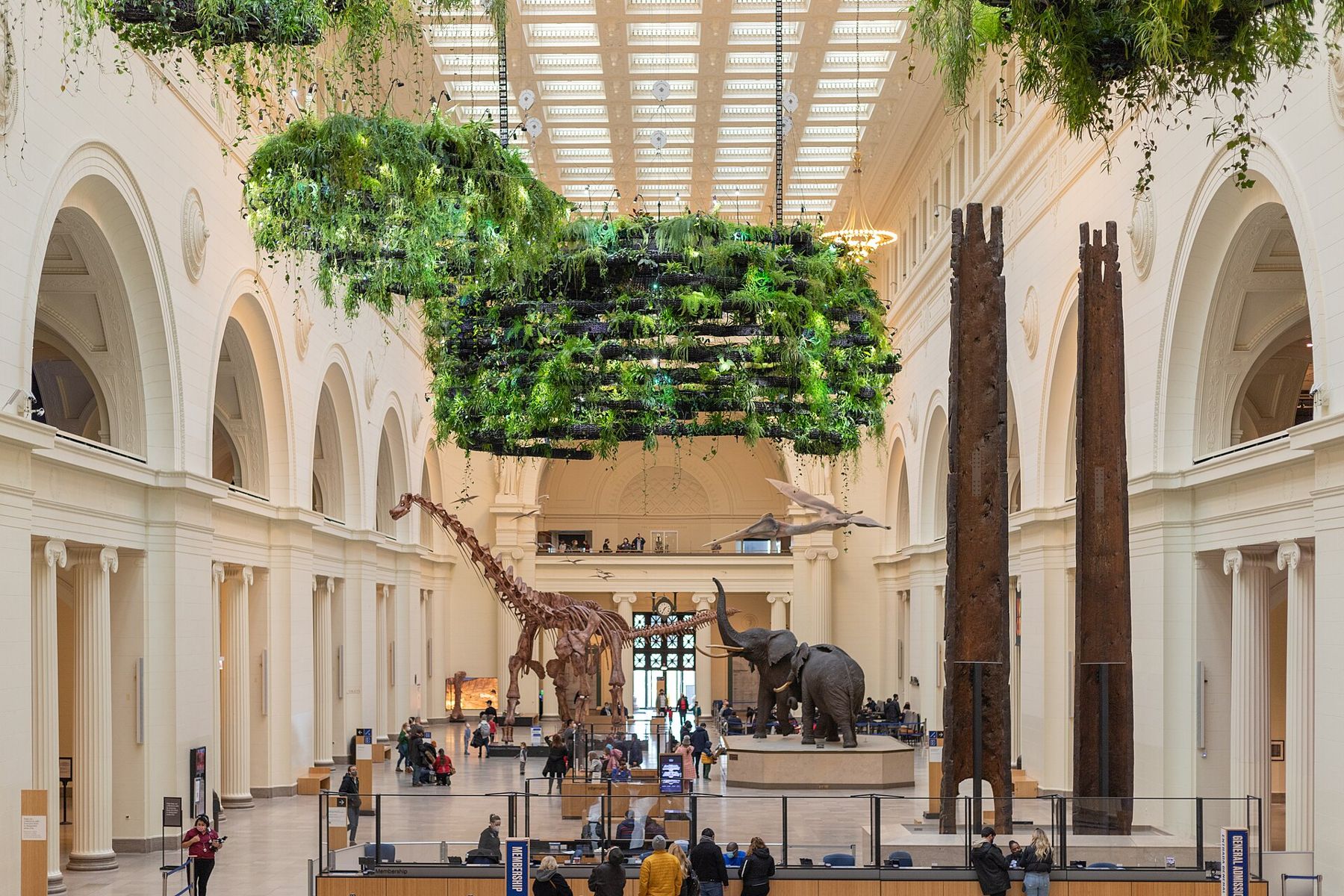
For most children of this age the Field Museum wins. Its great central hall is a first view of something enormous, and the fossil galleries upstairs take children through the history of life on Earth, with the famous Tyrannosaurus rex skeleton known as Sue the moment many have been waiting for. The ancient Egypt exhibit, with its walk-through tomb, is another favourite. Children who prefer living animals will choose the Shedd, which is busiest at weekends and in summer, so arrive at opening.
After lunch, get outside. The Lakefront Trail runs along the shore for many miles, and the stretch north from the Museum Campus gives children views back to the skyline, small beaches and plenty of space to run. Walk as far as legs allow and turn back. On a hot day, the water at the city beaches is cold even in summer, which children of this age often find funny rather than unpleasant.
Day two: Millennium Park, the river and Navy Pier
Start early at Millennium Park, before the crowds. Cloud Gate, the polished steel sculpture everyone calls the Bean, is the part children remember: they can walk underneath it and watch their reflections stretch across the curved underside. Nearby, the Crown Fountain shows faces on two glass towers and sends water into a shallow plaza where children splash in warm weather. Pack a change of clothes and a towel; they will get wet.
Maggie Daley Park, just east across a footbridge, has a large play garden and climbing structures that make a good hour for children who have been well behaved at a museum. In winter, part of the park becomes a skating ribbon.
In the afternoon, walk along the Chicago Riverwalk, where the boats and bridges keep children watching. An architecture boat tour on the river is one of the best ways to see the city, and children of this age usually like being on the water more than the commentary; choose a shorter tour if attention spans are a worry.
Three days is enough to see the highlights without rushing, provided you put one big indoor sight and one outdoor stretch into each day rather than stacking museums back to back.
End the day at Navy Pier, a long pier reaching into the lake with a large Ferris wheel, open promenades and the Chicago Children's Museum. The pier is busy and commercial in places, so treat it as an evening stroll with a view rather than a whole outing. Watching the lights come on over the water is the best part. In summer, fireworks over the lake are a regular evening event on some nights of the week; check the current schedule if your children can stay up.
Day three: Lincoln Park and the zoo
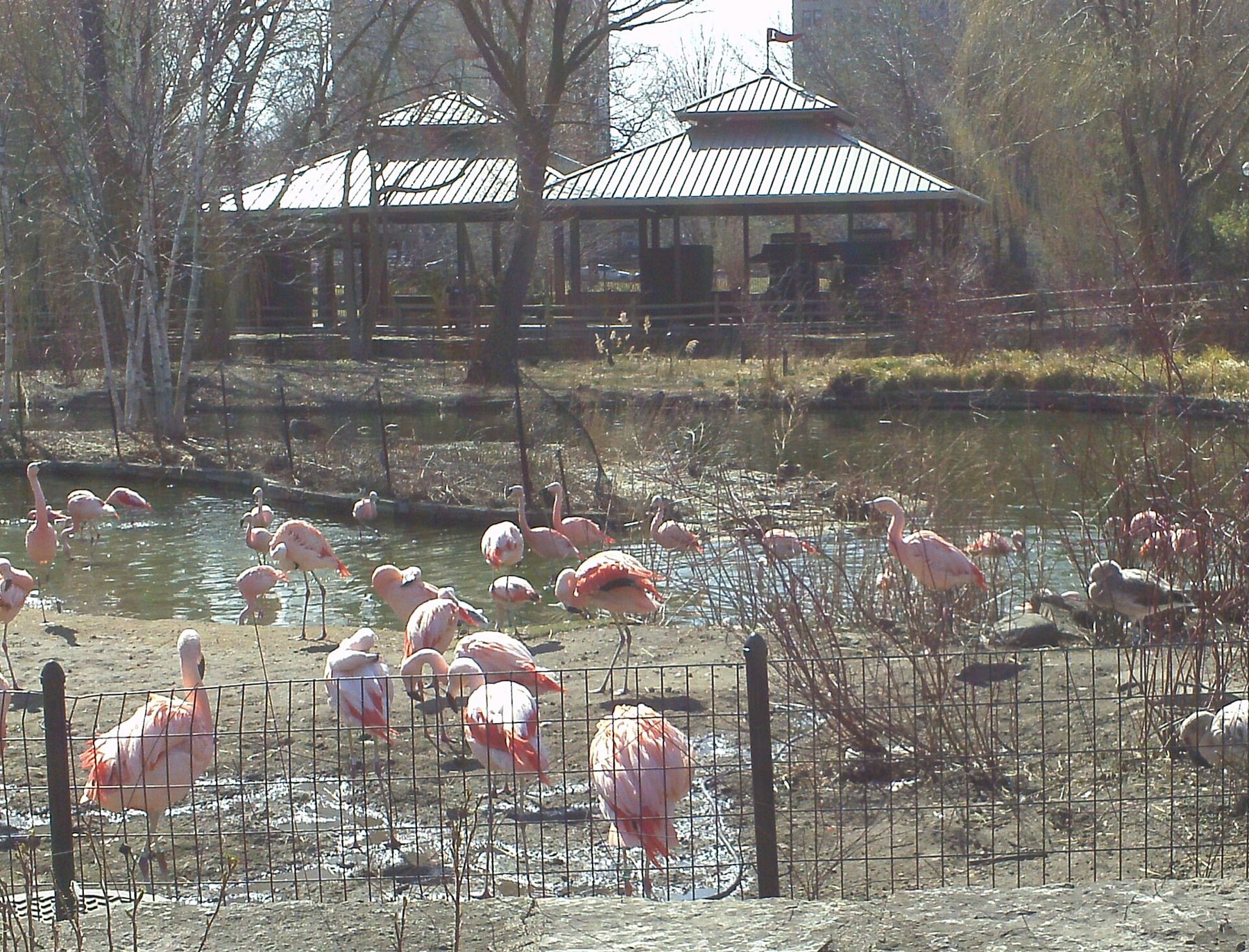
Lincoln Park Zoo, a few miles north of downtown in a large lakefront park, has long been free to enter, which makes it the most relaxed big outing in the city. It is compact enough to see in a morning, with big cats, great apes, penguins and a farm area where younger brothers and sisters can see cows and goats up close. Check parking rules before you drive; buses along the lakefront and Clark Street are simpler.
 also in the binderWashington, DC with tweens10-12

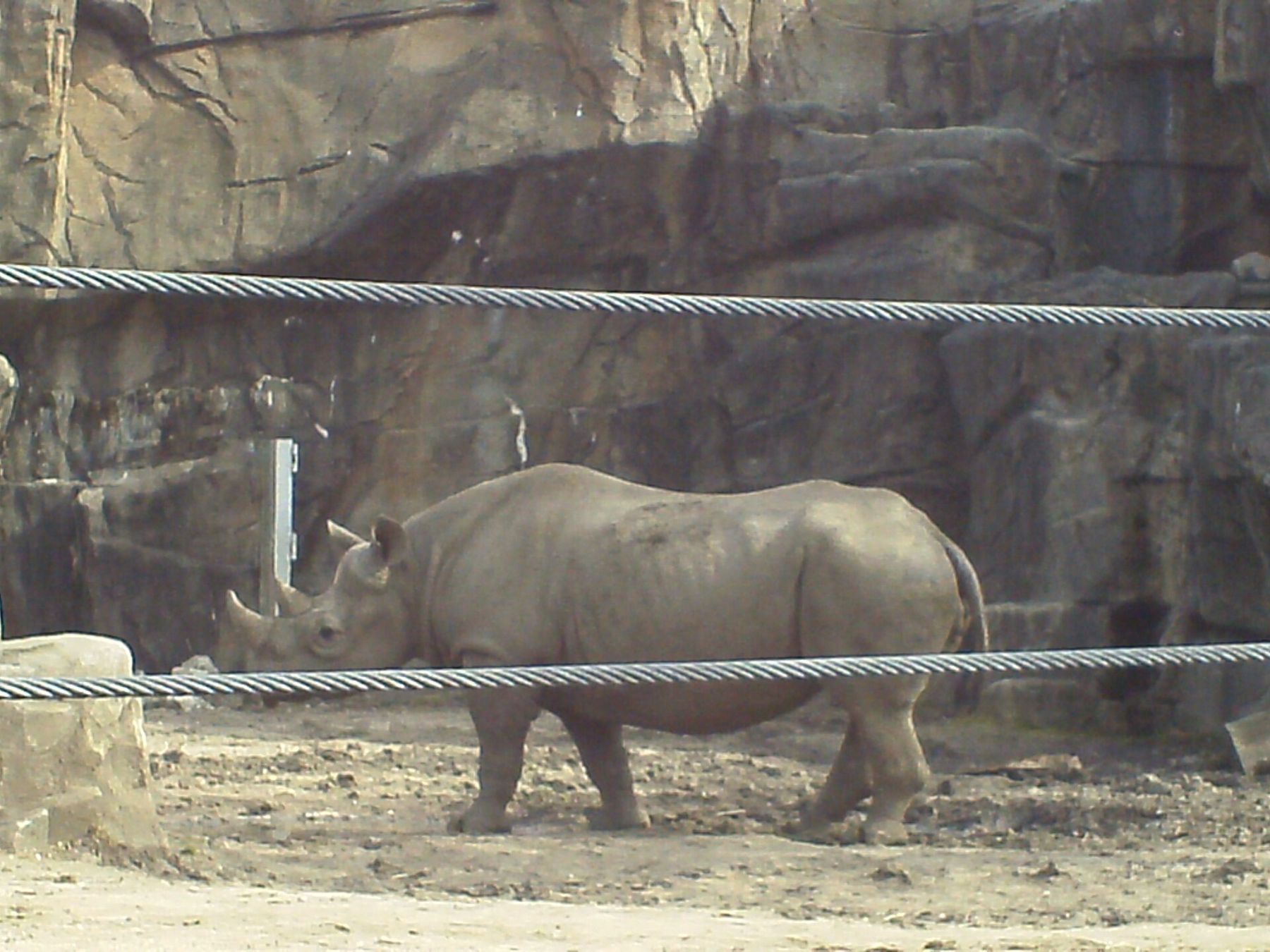
After the zoo, walk through the park to the nature boardwalk around the pond south of the zoo, or across to North Avenue Beach for sand and the skyline. Children who are still keen can go to the Museum of Science and Industry in Hyde Park on another trip, but it is a long way south and deserves a full day of its own, so leave it for next time unless you have a fourth day.
Getting around with children
The L is the city's train network, and most of it runs on elevated tracks, which is a ride in itself. The Loop, where several lines circle the downtown blocks, gives children a view straight into office windows and down to the streets. The Blue Line runs to O'Hare and the Orange Line to Midway, so you can arrive without a car. Buses fill the gaps, especially along the lakefront.
Chicago is flat and walkable, but distances add up. A child who walks happily at home can still be tired after a museum and a mile along the lake. A lightweight folding stroller is worth bringing for six-year-olds who still use one; older children may prefer a scooter on the Lakefront Trail, though not on crowded sidewalks.
Ride-share cars and taxis are easy to find for the longer hops, such as getting to Lincoln Park with tired legs at the end of a day. If you use them, bring a booster seat or check the current rules on car seats for children of this size; a light, foldable booster fits in a daypack.
Deep-dish pizza is something most children want to try. It takes a while to bake, so order early or expect a long wait at the table, and bring something to keep hands busy.
Where the hard moments come
- Museum fatigue. The Field Museum is huge. Choose two or three galleries before you go in and leave the rest.
- Weather. The lake can make spring and autumn days cold and windy, and summer can be hot and humid. Bring layers whatever the forecast says.
- Queues. Popular museums and the Ferris wheel get long lines on summer weekends. Go early, book timed tickets where offered and check current arrangements before you travel.
- Crowds and noise. Some children find the busiest downtown streets overwhelming. The lakefront is the cure: always within a short walk, always calmer.
If this trip goes well, the same pacing works for other American cities. The ideas in the guide to a first big trip with children of this age apply here too, and if your children enjoyed the lake shore, the dunes and beaches of the Indiana Dunes are an easy add-on to the south-east. For more coast and less city, the Oregon coast suits the same age.
If you only have one day
Start at Millennium Park early for the Bean and the fountain, walk south through Grant Park to the Field Museum for the dinosaurs, and spend the late afternoon on the Lakefront Trail. Finish with a slice of deep-dish and an evening walk on Navy Pier. It is a full day, but every part of it is within walking distance or one short train ride, and children will go home having seen the city's best side: the lake, the skyline and a very large T. rex.