San Antonio is one of the oldest cities in the United States, and its history sits right in the middle of town. A river winds through downtown below street level, lined with paths, bridges and cypress trees. A few blocks away is the Alamo. South along the same river stand four Spanish colonial missions, now part of a national historical park and, together with the Alamo, a World Heritage Site. Three days lets children aged six to twelve see all of it without rushing, and gives you time to talk about what they are seeing.
Day one: the River Walk and downtown
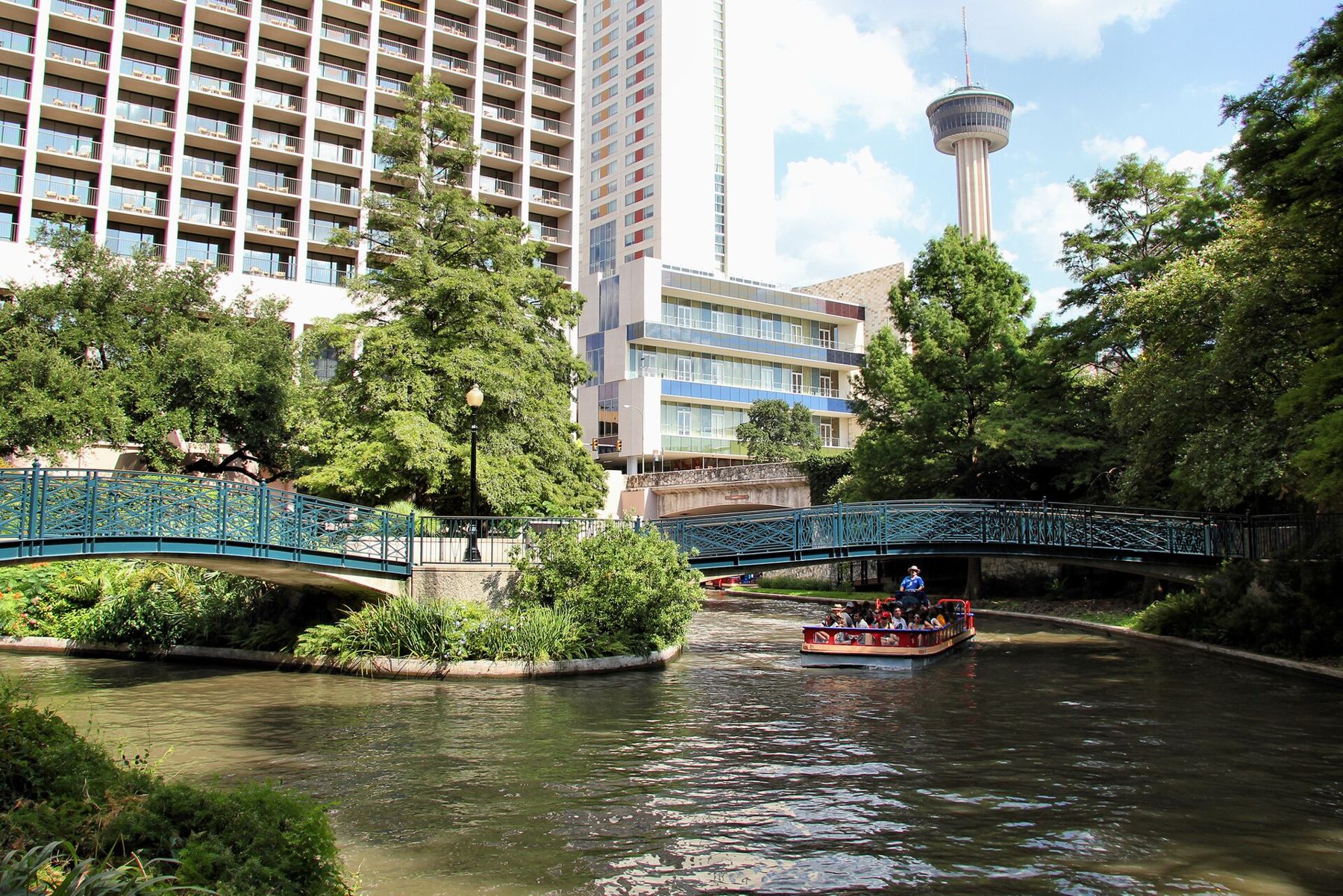
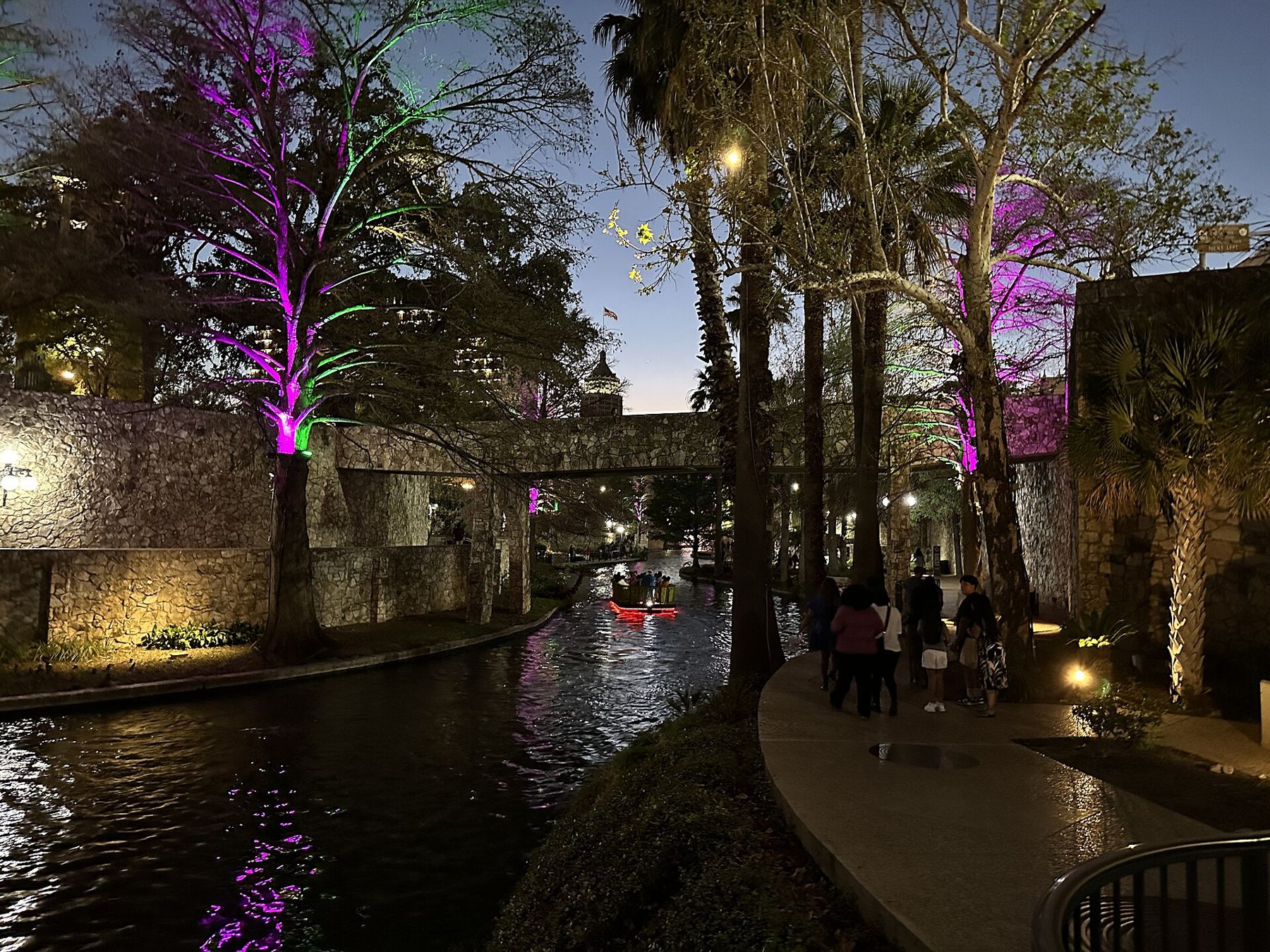
The San Antonio River Walk, or Paseo del Río, is a network of walkways along the river and its loops, one level below the downtown streets. It is shaded in places, crossed by stone and iron bridges, and easy to explore on foot. Children like the stairs that drop from busy streets down to the quiet water, and the ducks that patrol the edges.
The best way to start is on a river barge. The narrated boat tours loop through the busiest stretch and give you a sense of the river's history, from flood control to the 1930s work that created the walkways. After that, walk north toward the quieter Museum Reach, where the path follows the river past public art and under bridges. Paths along the river have few railings in places, so keep younger children close.
Nearby, La Villita is a small historic neighbourhood of old houses turned into studios and craft shops, and Historic Market Square has a lively mix of food stalls and handmade goods that reflects the city's strong Mexican heritage. The Tower of the Americas, built for the 1968 world's fair, has an observation deck with views across the city.
Day two: the Alamo, told fairly
The Alamo began as Mission San Antonio de Valero, founded by Spanish missionaries in the early 1700s. By 1836 it was a battered former mission used as a fort. That year, during the Texas Revolution, a few hundred defenders held it against the Mexican army under Antonio López de Santa Anna for about two weeks. On the final morning, the army stormed the walls and almost all of the defenders were killed, among them William B. Travis, James Bowie and David Crockett. Weeks later, Texan forces defeated Santa Anna at San Jacinto, and Texas became an independent republic.
That is the story most children have heard. The fuller story is more complicated, and tweens in particular are ready for it. Tejanos, Texans of Mexican descent, fought on the Texan side, and some died at the Alamo. Among the survivors were women and children, and an enslaved man known as Joe, who was owned by Travis. Many of the American settlers in Texas had brought enslaved people with them, and Mexico's moves against slavery were one of the tensions behind the revolution. Mexican soldiers, many of them conscripts, also died in large numbers.
A good question to ask on the way out is whose story each part of the site tells.
At the site, the church front is the shape everyone recognises. Inside, the atmosphere is quiet and respectful, and visitors are asked to behave as they would in a place of memory. A good question to ask on the way out is whose story each part of the site tells. Six- to nine-year-olds may simply want to know who lived there and why there was a fight; keep the answers short and true.
 also in the binderWashington, DC with tweens10-12
Day three: biking the Mission Reach to the missions
South of downtown, the river has been restored as the Mission Reach, with a paved hike-and-bike trail that links four missions: Concepción, San José, San Juan and Espada. They are part of San Antonio Missions National Historical Park, and they are still active Catholic parishes, so services and weddings take place in the churches; be quiet inside.
The missions were founded in the 1700s by Spanish Franciscans. They were churches, farms, workshops and fortified communities, and they were also part of Spain's effort to colonise the region. The people who lived and worked there were largely Coahuiltecan and other Indigenous peoples, many of whom came seeking protection from disease, drought and raids, and whose lives were reshaped by the mission system. Their descendants are still part of the city today. This is worth saying plainly to children: the missions are beautiful, and they also changed and cost many lives.
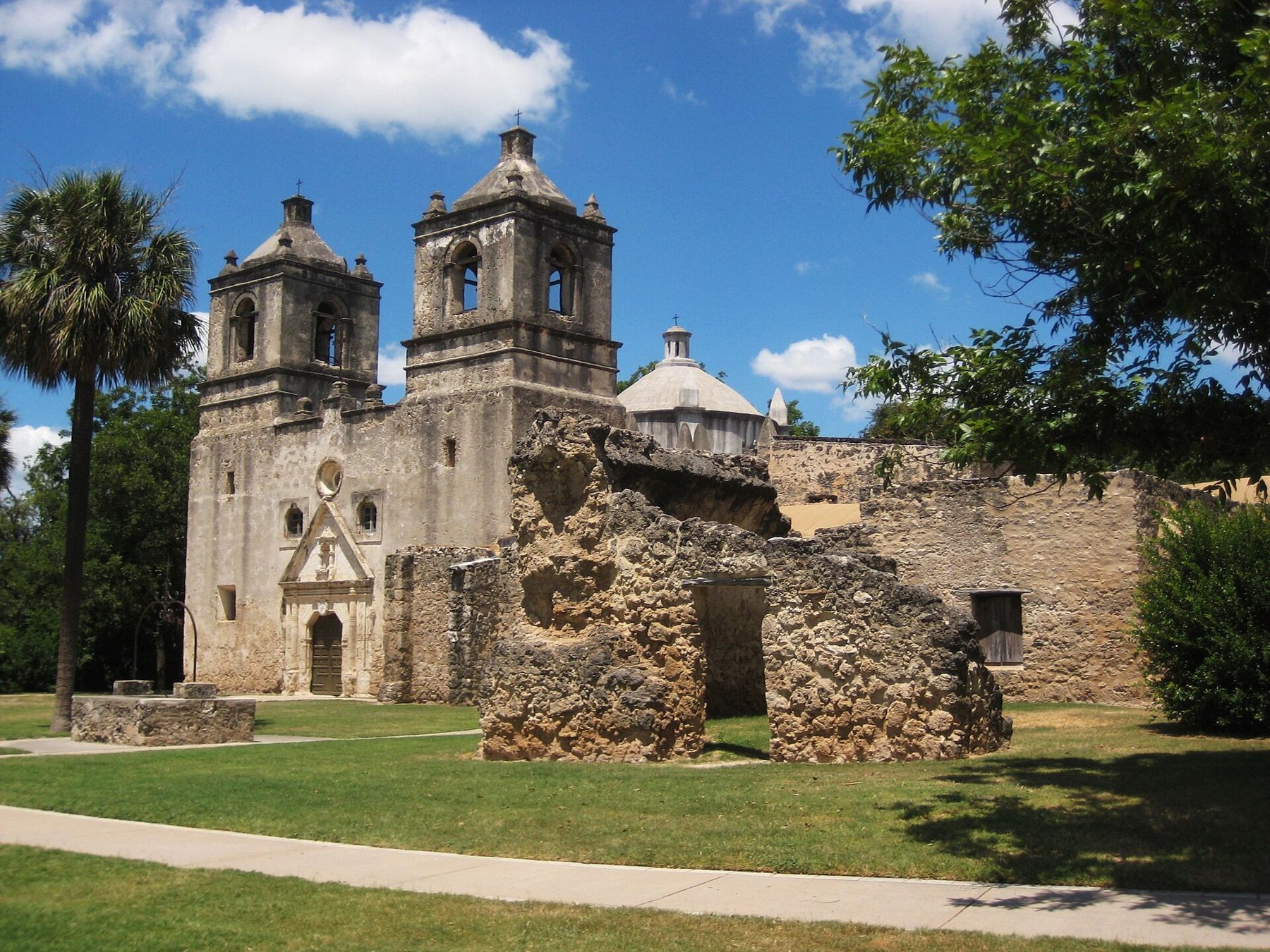
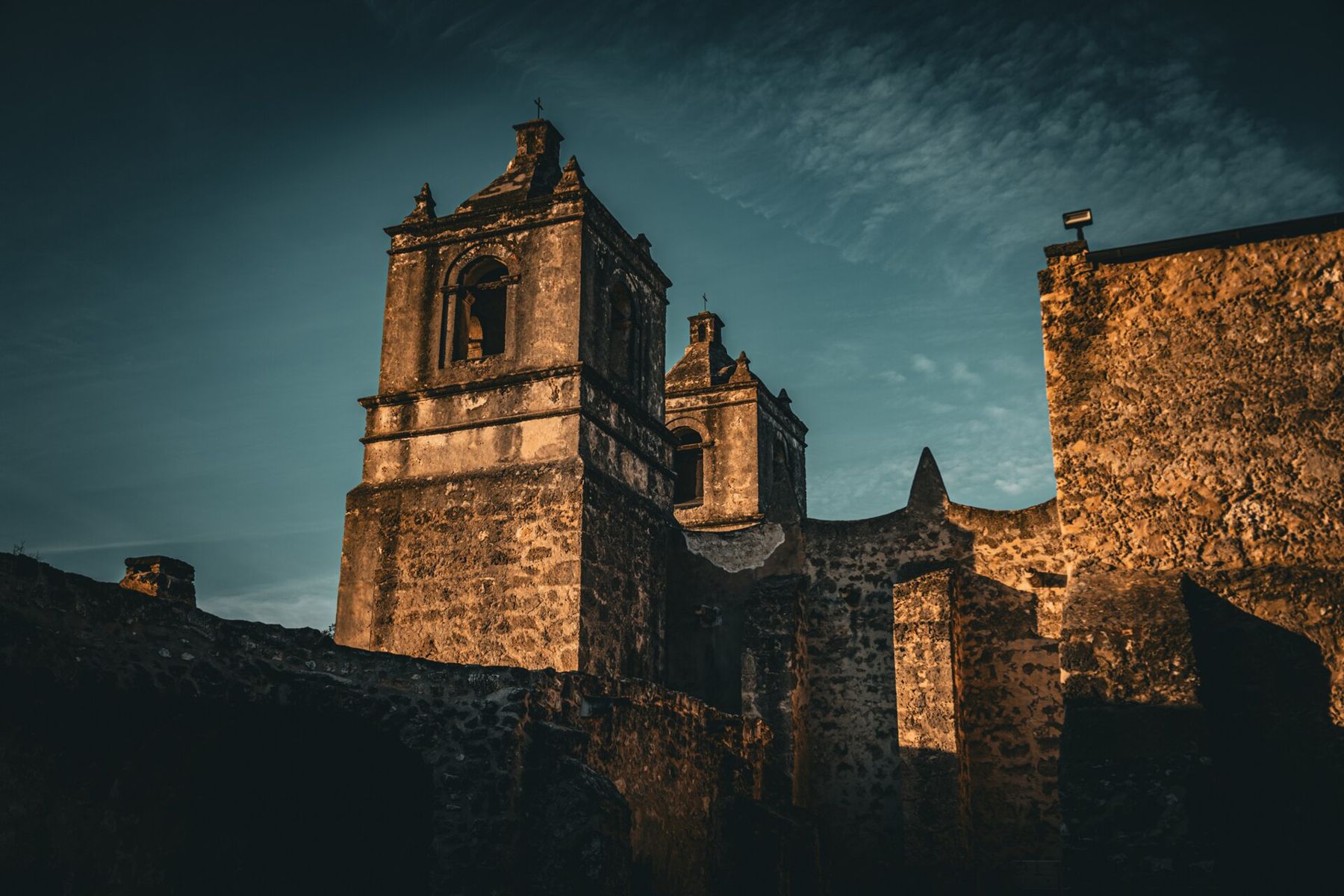
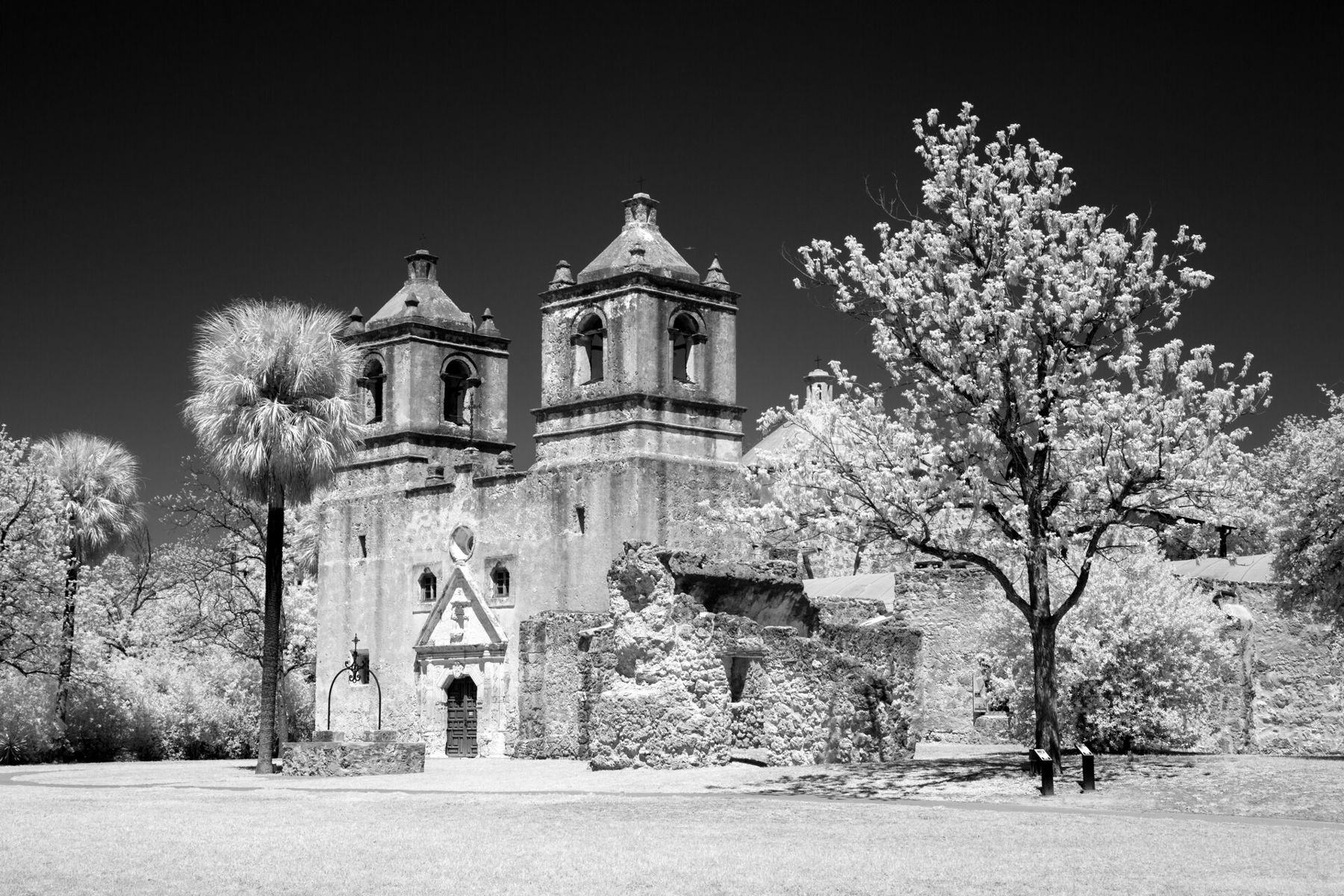
Mission Concepción has twin bell towers and traces of original painted decoration inside. Mission San José is the largest, with a long surrounding wall, a granary and the carved stone window known as the Rose Window; its visitor centre is the main park visitor centre and has a film that gives a good overview. Further south, the Espada Aqueduct, built in the 1700s, still carries water over a creek through the old acequia, or irrigation ditch. Children who have just learned how hard it was to grow food here find this quite remarkable.
You can ride the trail on your own bikes or on the city's bike-share bikes, which have stations along the route, though they may not come in sizes for younger children. Distances between missions are manageable for confident riders aged nine and up; for younger children, drive between the missions and ride or walk a short stretch. Ask at the visitor centre for the Junior Ranger booklet, which gives six- to twelve-year-olds a task at each stop.
Heat, water and pacing
San Antonio summers are long and very hot, and even spring and autumn days can be warm. The mission grounds have little shade, and the bike trail is exposed. Plan outdoor time for early morning, spend the middle of the day indoors or by the river, and come back out in the evening. Carry more water than you think you need, wear hats and light long sleeves, and know the signs of heat illness. If anyone feels unwell in the heat, stop, cool down and ask a doctor or pharmacist for advice.
Flash flooding is possible after heavy rain, and low-water crossings and riverside paths can close. Check local warnings before you head out.
Where the hard moments come
The Alamo is small, and the queue in high season can be the hardest part of the day. Go early. The River Walk can feel crowded and noisy in the evening, especially near the main restaurant stretch; the quieter reaches are better with tired children. On the bike ride, the gaps between missions feel longer in the afternoon sun than they look on a map, so turn back sooner rather than later.
Give tweens a role: one can navigate, one can read the signs at each mission and report back. Our planning guide on giving tweens a job has more ideas. For a younger child, our guide for six- to nine-year-olds covers keeping them engaged at historic sites.
If you only have one day
See the Alamo as early as you can, then take a barge on the River Walk. After a long, cool lunch, drive to Mission San José for the film and the grounds, then on to Mission Concepción in the softer evening light. You will have seen the city's three layers: the river, the battle and the missions.