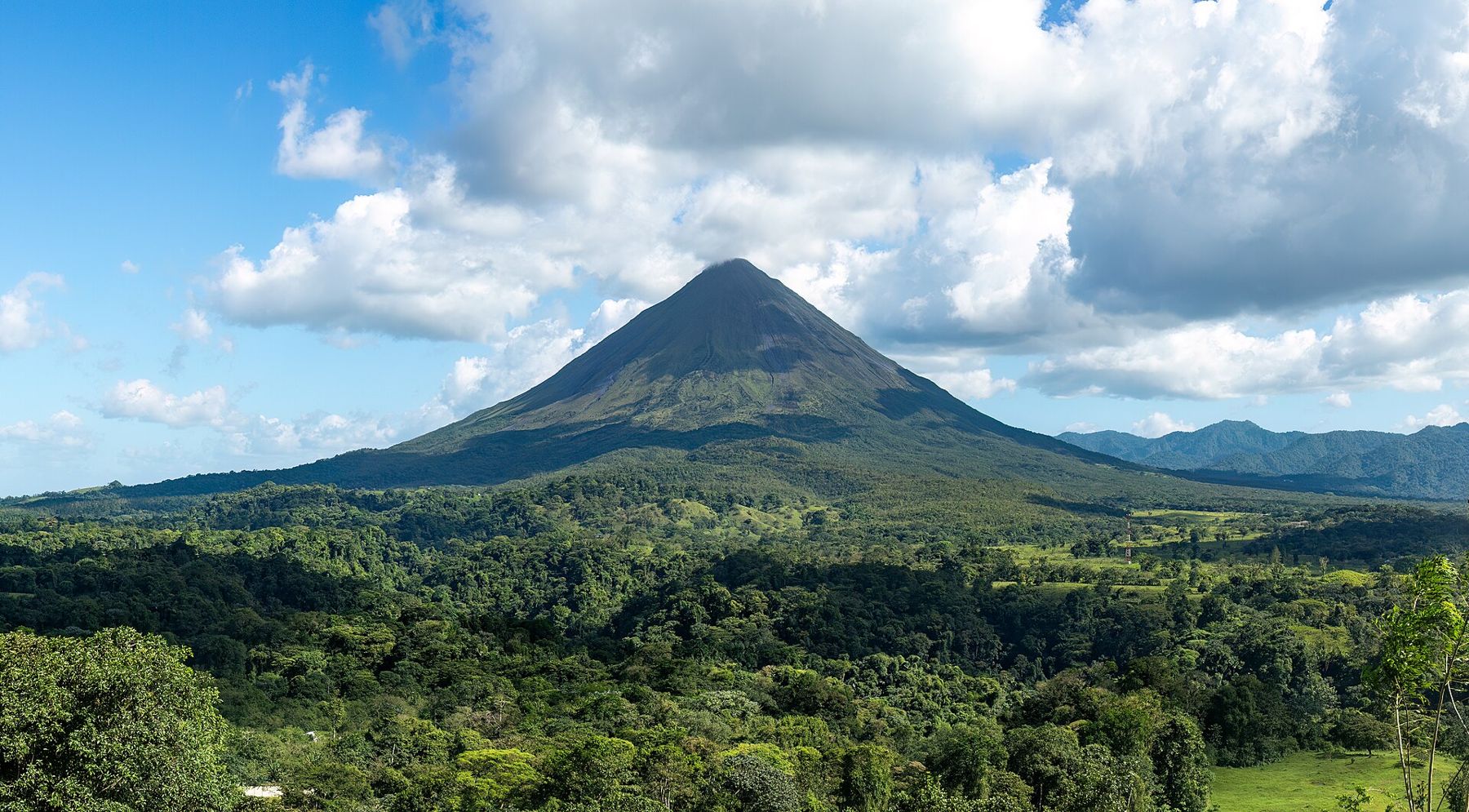
Arenal and Monteverde sit close together on a map of Costa Rica and feel like two different countries. Arenal is a near-perfect cone of a volcano rising over farmland, rivers and warm springs, with the busy little town of La Fortuna at its foot. Monteverde is a high ridge wrapped in cloud, cool and dripping, where the trees are furred with moss and the forest sounds different after dark. A week split between the two suits children from about six to twelve very well: there is something new to look at every day, and most of it is outdoors and physical.
This guide assumes seven days: three nights near La Fortuna, three in Monteverde, and a night near the airport at one end. Shorter trips work too, but the road between the two areas eats most of a day, so fewer than five days starts to feel rushed.
Days one to three: Arenal and La Fortuna
Arenal Volcano was highly active for decades and has been quiet since 2010, so you will not see lava, but you will see the shape of it from almost everywhere. On a clear morning the summit stands out sharply; by afternoon it is often hidden in cloud, so look early and keep your expectations loose.
Arenal Volcano National Park has trails across old lava fields and through regrowing forest. They are mostly gentle, and children like scrambling onto the black rock and looking for the spots where the forest has crept back. Go in the morning, carry water, and expect mud.
La Fortuna Waterfall is the other big outing. The fall drops into a pool at the bottom of a steep gorge, and the way down is a long staircase of several hundred steps. Going down is easy; coming back up is the moment where six-year-olds need snacks, rests and encouragement. Swimming at the bottom depends on conditions and on the rules posted on the day.
The hot springs are why many families come. The volcano warms rivers and springs all around La Fortuna, and there are pools at every level, from free river spots to large resort complexes with slides. For children, the shallow, cooler pools and the evenings are best: warm water, cool air and the sound of frogs. Watch the temperature of the hottest pools, keep sessions short, and keep everyone drinking water.
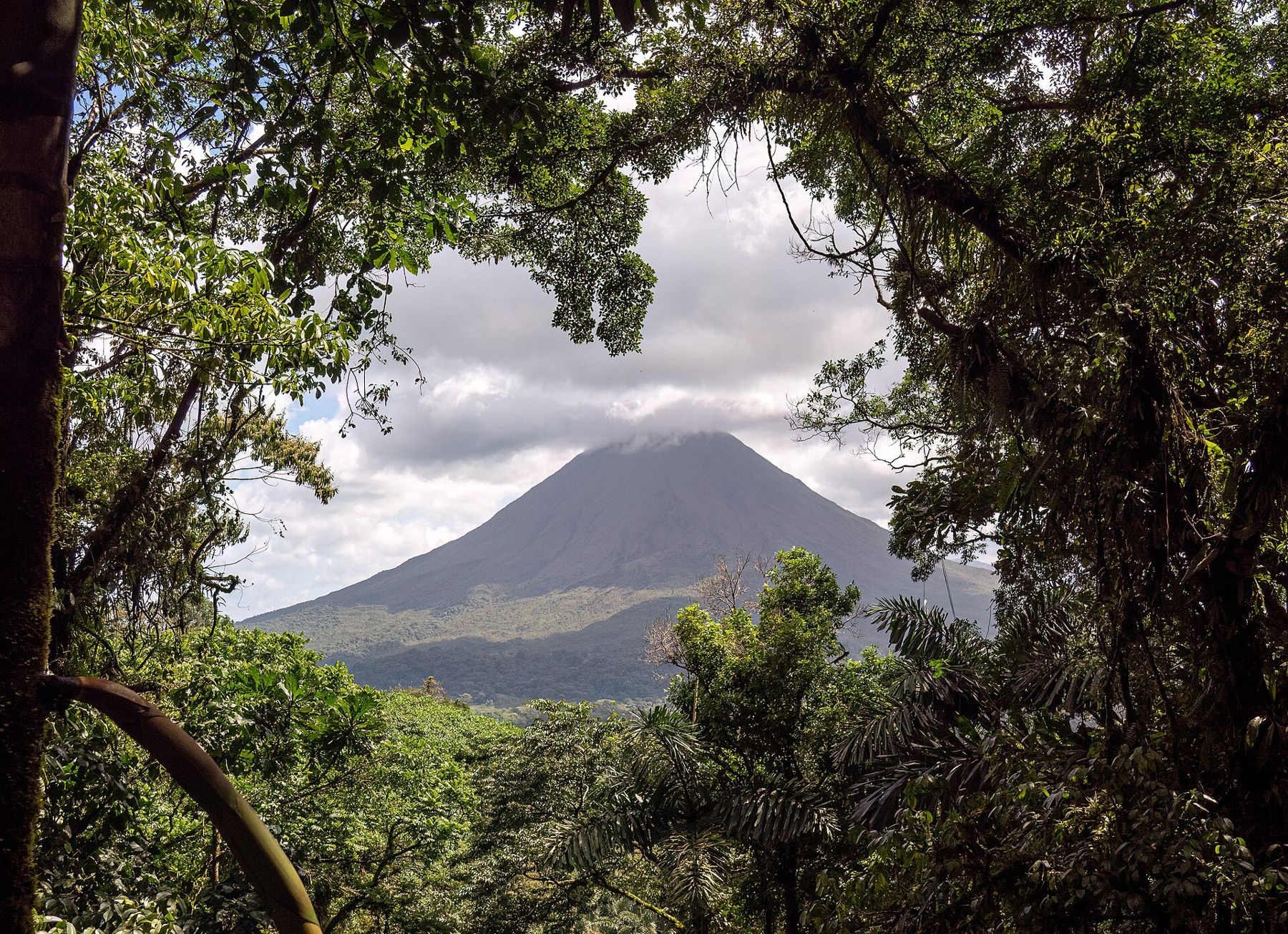
Hanging bridge parks near Arenal are an easy win. A loop of trail crosses a string of long suspension bridges strung through the canopy, at the height where birds, monkeys and flowers actually are. The bridges sway a little, have high mesh sides, and suit almost any child who can walk a few kilometres. A guide is worth it: they carry a telescope and find the sleeping snake, the tiny frog and the motionless sloth that you would walk past.
Crossing from Arenal to Monteverde
The two areas are separated by Lake Arenal, and there is no quick road. You can drive the long way around the lake, a beautiful but winding route that takes much of a day with stops. The other common option combines a road transfer, a boat across the lake and another road transfer up to Monteverde; operators sell it as a single package, and it is often shorter and more fun for children than hours in the car.
The climb into Monteverde is the part to plan for. Roads have improved, but stretches are still steep, narrow and bumpy, and children prone to car sickness will feel it. Seat the most queasy child where they can see the road ahead, keep the windows cracked, stop often, and ask your doctor or pharmacist before the trip about anything for travel sickness.
If you drive yourself, a car with high clearance makes the rough parts easier. Bring car seats or confirm what the rental company provides, and check the current rules for children in cars before you go.
 also in the binderCosta Rica's Pacific coast with babies and little ones0-23-5
Days four to six: the Monteverde cloud forest
Monteverde is high enough that clouds blow straight through the forest, and the water they leave behind feeds an astonishing range of plants. Bring layers: it can feel cool and damp even when the coast is hot.
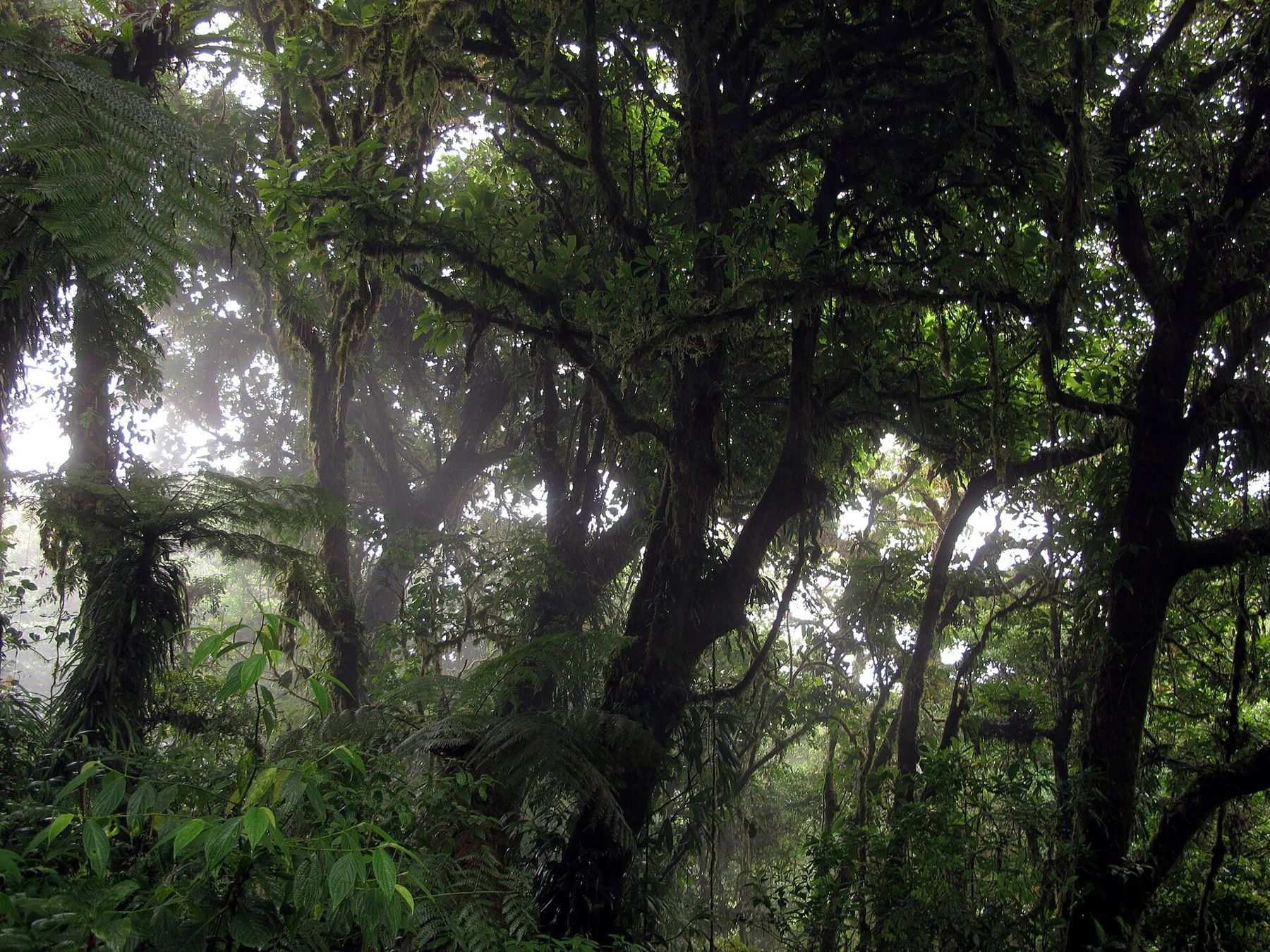
The Monteverde Cloud Forest Biological Reserve and the nearby Santa Elena Cloud Forest Reserve both have well-kept trails. For children aged six to twelve, a guided walk of two or three hours in the morning is plenty. Guides point out strangler figs, which grow around a host tree until it rots away and leaves a hollow tower of roots, and with luck a resplendent quetzal, the green-and-red bird that every birdwatcher in the group will be hoping for. Ask whether a trail has steep sections before you set off with younger children.
The night walk is the part children remember. After dark the forest switches over: tarantulas at the mouths of their burrows, stick insects, sleeping birds, tree frogs, sometimes a kinkajou or a sloth moving slowly along a branch. Groups go out with torches and a guide for a couple of hours, and the walks are short and mostly flat. Bring a head torch for each child, long trousers and closed shoes.
The night walk is the part children remember.
Canopy tours with ziplines run in and around Monteverde, along with more hanging bridges and a few tamer options like butterfly and hummingbird gardens. Ziplines are a strong pull for tweens; each operator sets its own minimum age, height and weight, so check before you promise anything. Hummingbird feeders are the gentlest entertainment in the area and work for every age: dozens of birds buzzing past at head height.
Sloths, monkeys and other animals
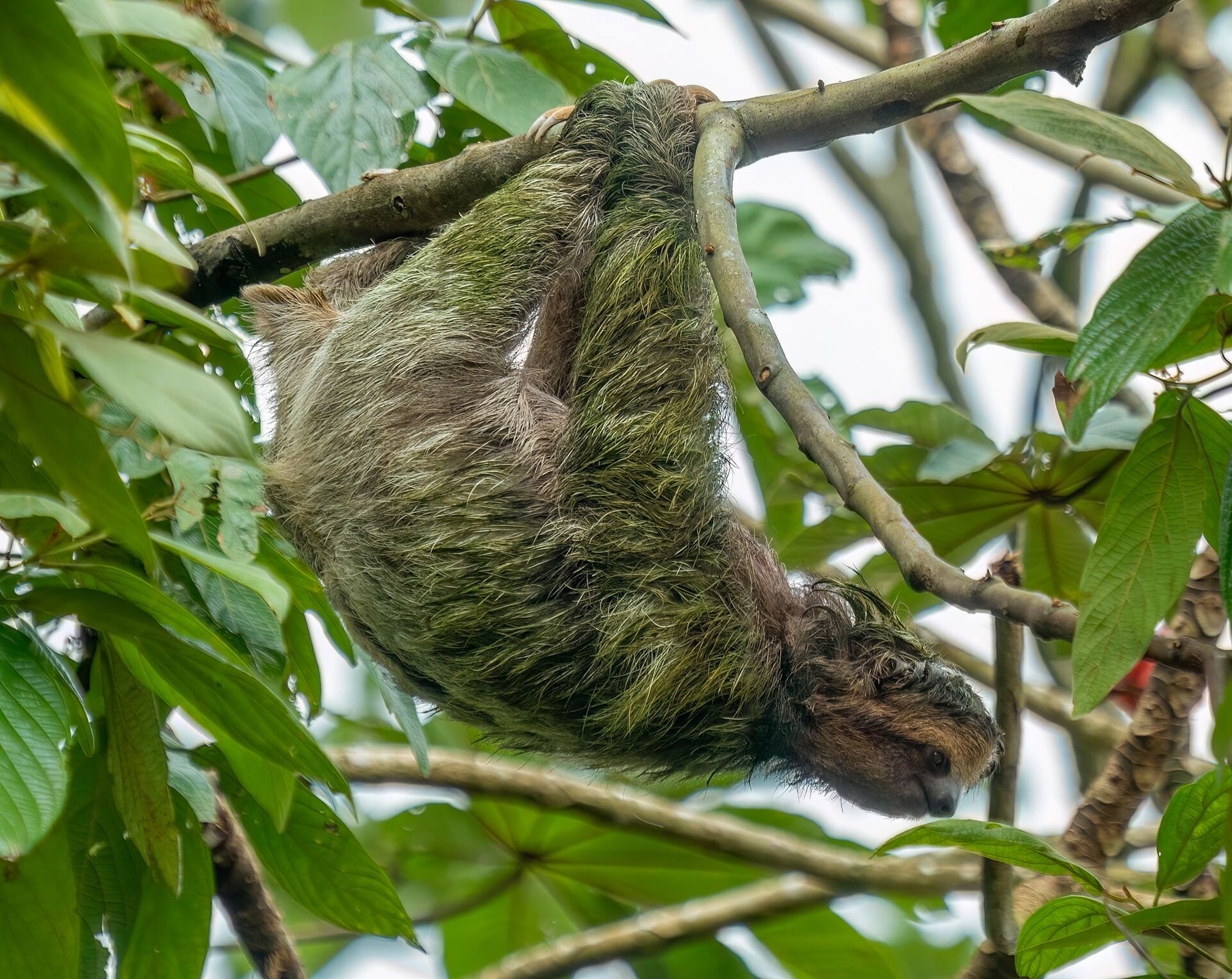
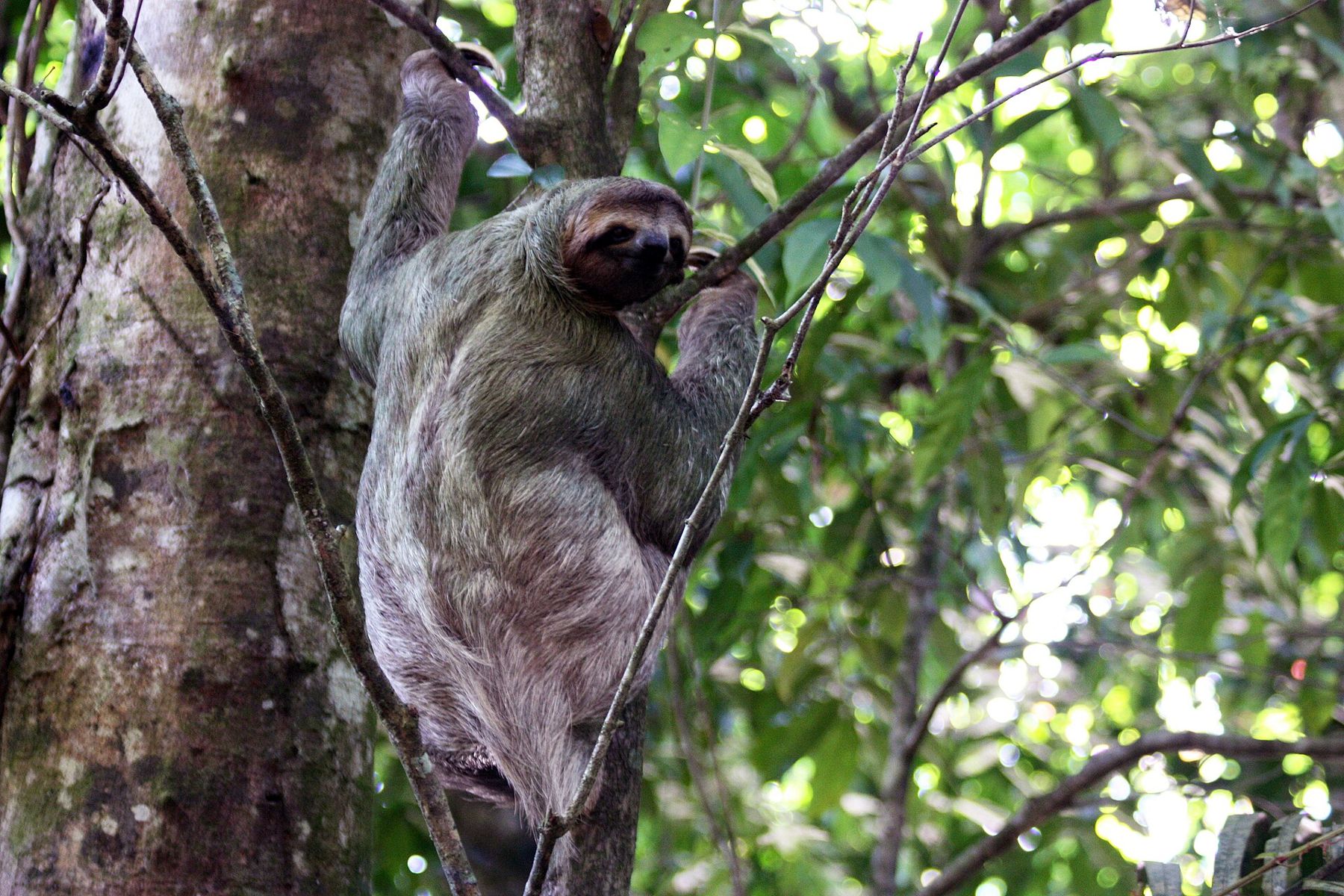
Sloths are the animal most children come to see, and they are found around both Arenal and Monteverde. Costa Rica has two kinds, two-toed and three-toed, and both spend most of the day as a furry lump high in a tree. A guide with a telescope turns a lump into a face, and that is when children are hooked. Three-toed sloths are the ones more often seen moving in daylight.
You may also see howler monkeys, whose roar carries across the forest at dawn, white-faced monkeys, coatis crossing the road and toucans. Teach children early: never feed wild animals, never touch them, and keep snacks zipped away.
Rain, mud and the hard moments
This is a wet part of the world. The Arenal side sits on the Caribbean slope and gets rain in most months, and Monteverde is damp by nature. The drier months, roughly December to April, are the easiest time for families; the green season from about May to November brings afternoon downpours, quieter trails and lower prices.
The hard moments tend to be predictable:
- Long drives. Break them up, and do not plan a big outing on the day you move.
- Wet shoes. Pack two pairs per child, so one can dry. Light rain jackets beat umbrellas on trails.
- Early nights. It gets dark early all year round, close to the equator. Plan dinner early and use the dark for night walks rather than fighting it.
- Bites and sun. Use insect repellent and sunscreen suitable for your children's ages, and ask your doctor or pharmacist what they recommend. Check routine vaccinations well before the trip.
Children who have done a first trip abroad already will find this one easier: the travel days are long, but every day after has a clear reward.
If you only have one day
If you only have one day in this area, spend it near Arenal. Walk a hanging bridge trail with a guide in the morning, eat lunch in La Fortuna, see the waterfall in the early afternoon if legs allow, and finish in a hot spring as the light goes. For tweens who want a role on the trip, handing them the map, the binoculars or the day's schedule works well; there are more ideas in the guide to giving tweens a job. And if this whets your appetite for forests, rain and wildlife closer to home, the Olympic Peninsula offers its own mossy rainforest on the other side of the continent.