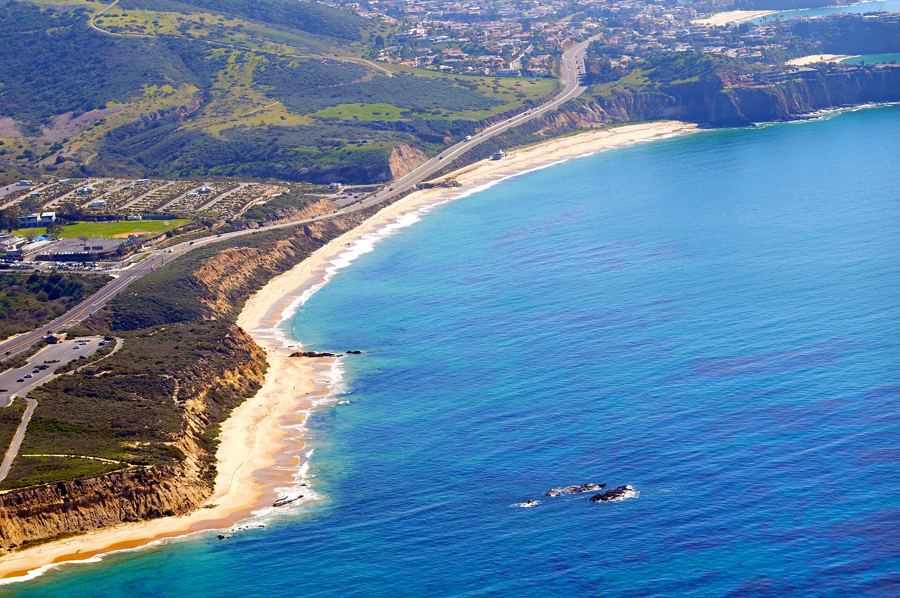
Guanacaste, the dry northwest corner of Costa Rica, is one of the easier places in Central America to take very young children. The international airport at Liberia is a short drive from the coast, the dry season brings months of reliable sun, and the coastline is cut into bays where the water can be surprisingly calm. For babies and children up to about five, the right trip here is a slow one: one base, a beach in the morning, shade in the afternoon, and maybe one or two outings that feel big to small people.
This guide plans six days around a single base on the Guanacaste coast, and then looks at whether a detour south to Manuel Antonio National Park is worth it with little ones.
Choosing a calm beach
The Pacific is not a swimming pool, and some of Guanacaste's best-known beaches are surf beaches with strong waves and rip currents. With babies and toddlers, look for sheltered bays and ask locally which beaches are calm on the day, because conditions change with tides and season.
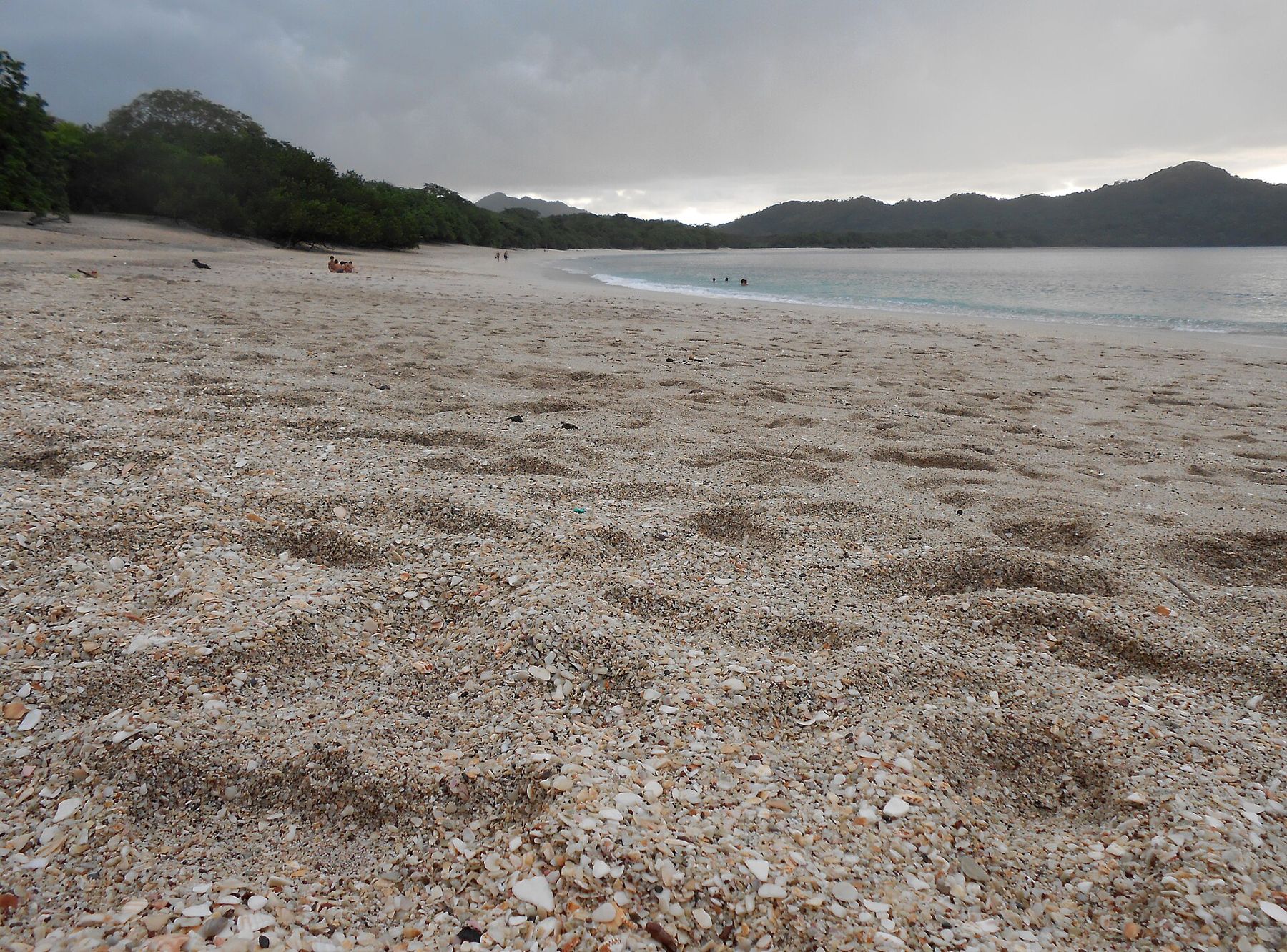
Playa Conchal is the famous one: the sand is made largely of crushed shells, which gives it a pale, crunchy texture and water that is often clear and gentle. Small children can spend an hour sifting through the shells. Further around the coast, beaches along the bays near Playa Hermosa and Playa Flamingo are often calmer than the open surf beaches. Tamarindo is lively and handy for supplies, but its main beach is better for watching surfers than for paddling toddlers.
Wherever you are, the basics apply: swim near others, never leave a small child alone at the water's edge even for a moment, watch for flags and signs, and ask about rip currents. Bring a sun tent or a large umbrella, because natural shade on some beaches is thin by late morning.
A slow six-day plan
The plan below is deliberately light. It leaves time for naps, bad nights and the days when the only thing anyone wants is the pool.
- Day one: Arrive in Liberia and drive to your base. Do nothing else. A short swim at dusk is plenty.
- Day two: Early beach time, back in the shade by late morning. Afternoon nap, then a walk as the heat drops.
- Day three: A boat trip on a calm morning or a visit to a beach you have not tried. Keep it to half a day.
- Day four: A rest day by design. Little ones need one by now, and so do the adults.
- Day five: An inland outing, such as a short nature walk or a visit to see wildlife, timed for the cooler morning.
- Day six: A last beach morning and an unhurried trip back towards the airport.
Guanacaste is dry and hot in the dry season, and the landscape can look brown and dusty inland. That is normal. It is also why the region gets so much sun when other parts of the country are wet.
The heat, the sun and health
Heat is the biggest single factor with babies and toddlers here. Midday is fierce for most of the year, and small children cannot tell you when they are overheating.
Plan the day around the heat, not the sights.
Plan the day around the heat, not the sights. Beach and outings early, shade and naps through the middle of the day, and a second outing in the late afternoon. Dress babies in light, loose layers, use hats with wide brims, and keep a small cooler of water and fruit with you. For sunscreen, ask your doctor or pharmacist what suits your child's age, and ask too about keeping very young babies out of direct sun altogether.
Water matters as much as shade. Offer drinks often, more often than at home, and watch for the quieter signs that a small child is too hot: flushed cheeks, unusual sleepiness or fussiness, fewer wet nappies. Air-conditioned rooms help at night, and a cool bath before bed settles most toddlers after a hot day. If a child seems unwell, get medical advice early rather than waiting to see.
Before the trip, check that routine vaccinations are up to date, and talk to your doctor or a travel clinic about any extra advice for Costa Rica and for your child's age. Do this well ahead, as some courses take time. Ask too about insect repellent for little ones, and pack long, light clothes for dusk, when mosquitoes are most active. Bring any regular medicines from home in their original packaging.
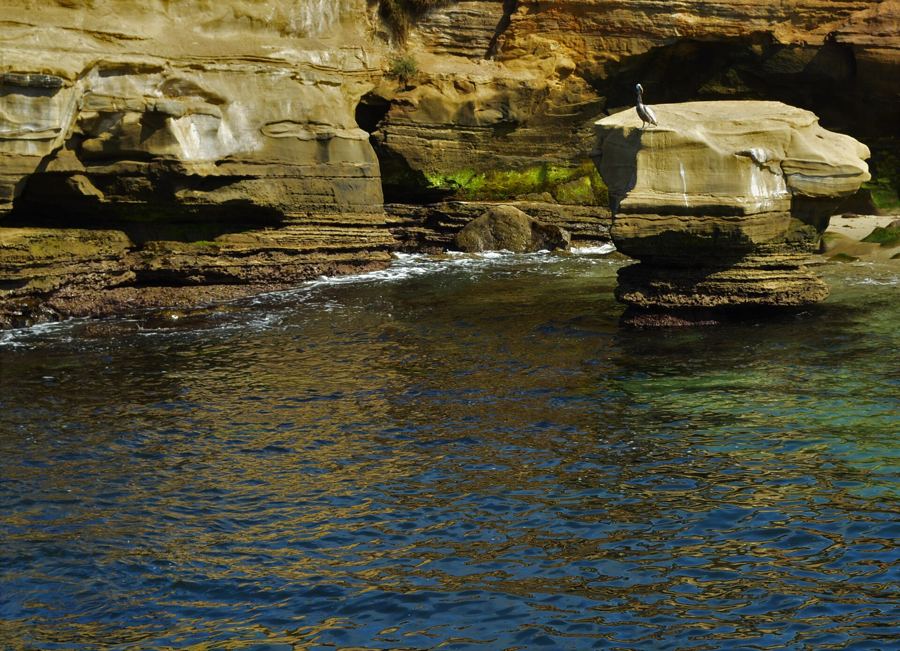 also in the binderSan Diego with three- to five-year-olds3-5
Manuel Antonio and its monkeys
Manuel Antonio National Park is one of the most visited parks in Costa Rica, and it is easy to see why: rainforest runs straight down to white-sand coves, and monkeys, sloths and raccoons live a few steps from the beach. For little ones it can be the high point of the whole trip.
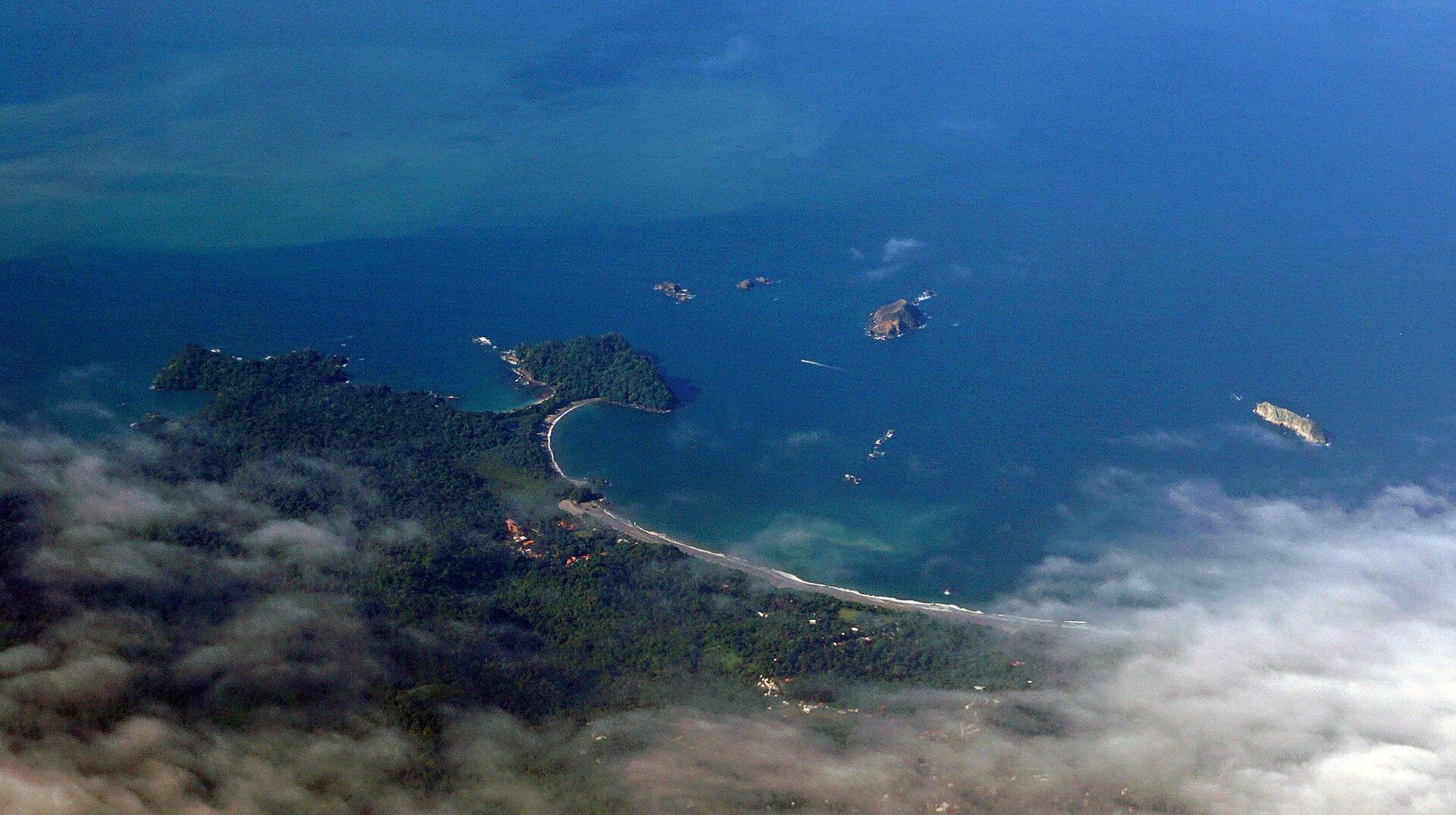
It is also a long way from Guanacaste. The park is on the Central Pacific coast, many hours' drive south of Liberia, so it does not work as a day trip from a Guanacaste base. With little ones, either split the week with a few nights near Manuel Antonio and fly home from San José, or save it for a separate trip.
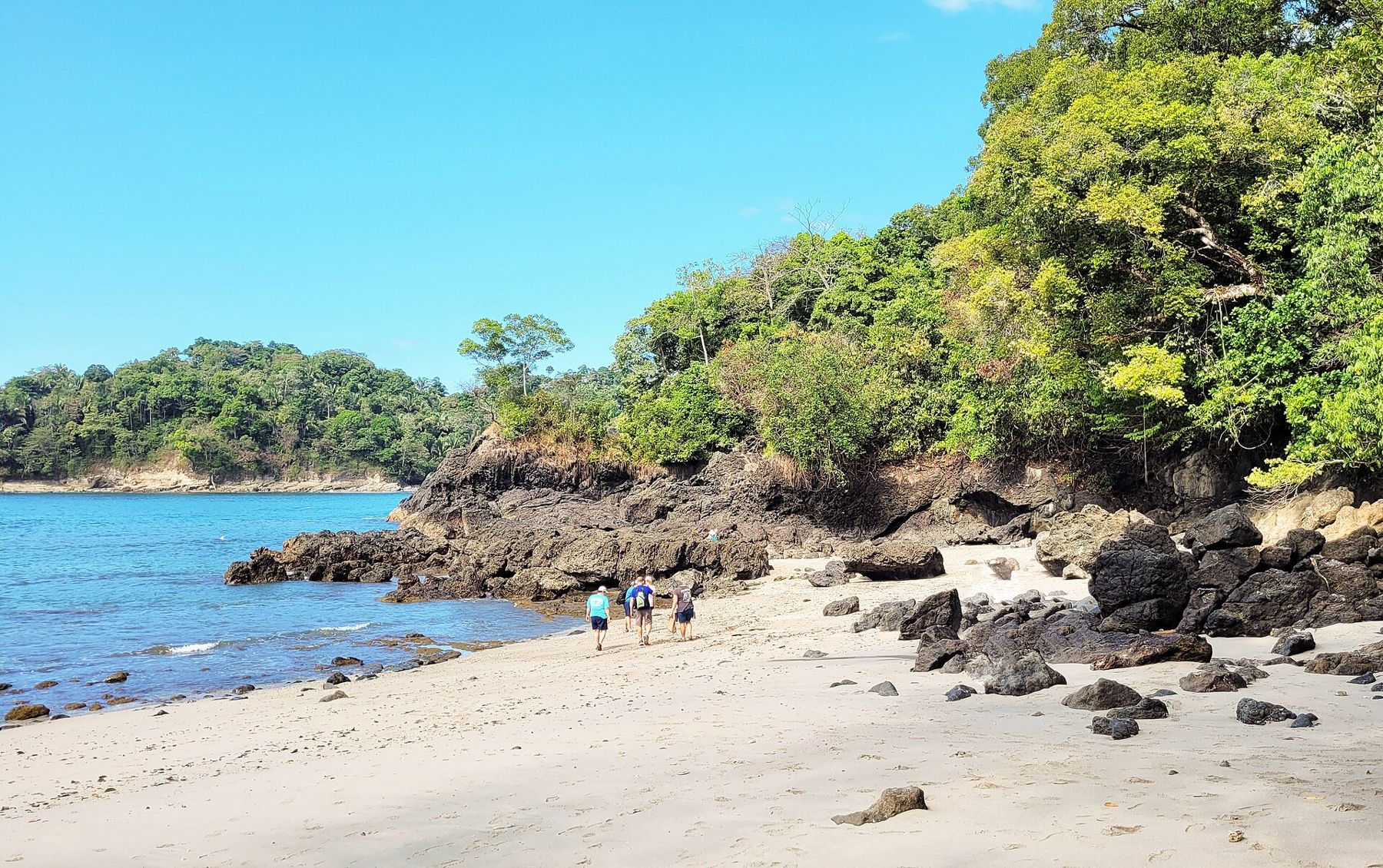
The park itself suits small children well. The main trails are short and mostly flat, and the beaches inside the park are calmer than the long public beach outside it. Entry numbers are limited, tickets are sold ahead, and the park closes on certain days of the week, so check the current rules before you go. Arrive at opening time, when it is cooler and the animals are busier.
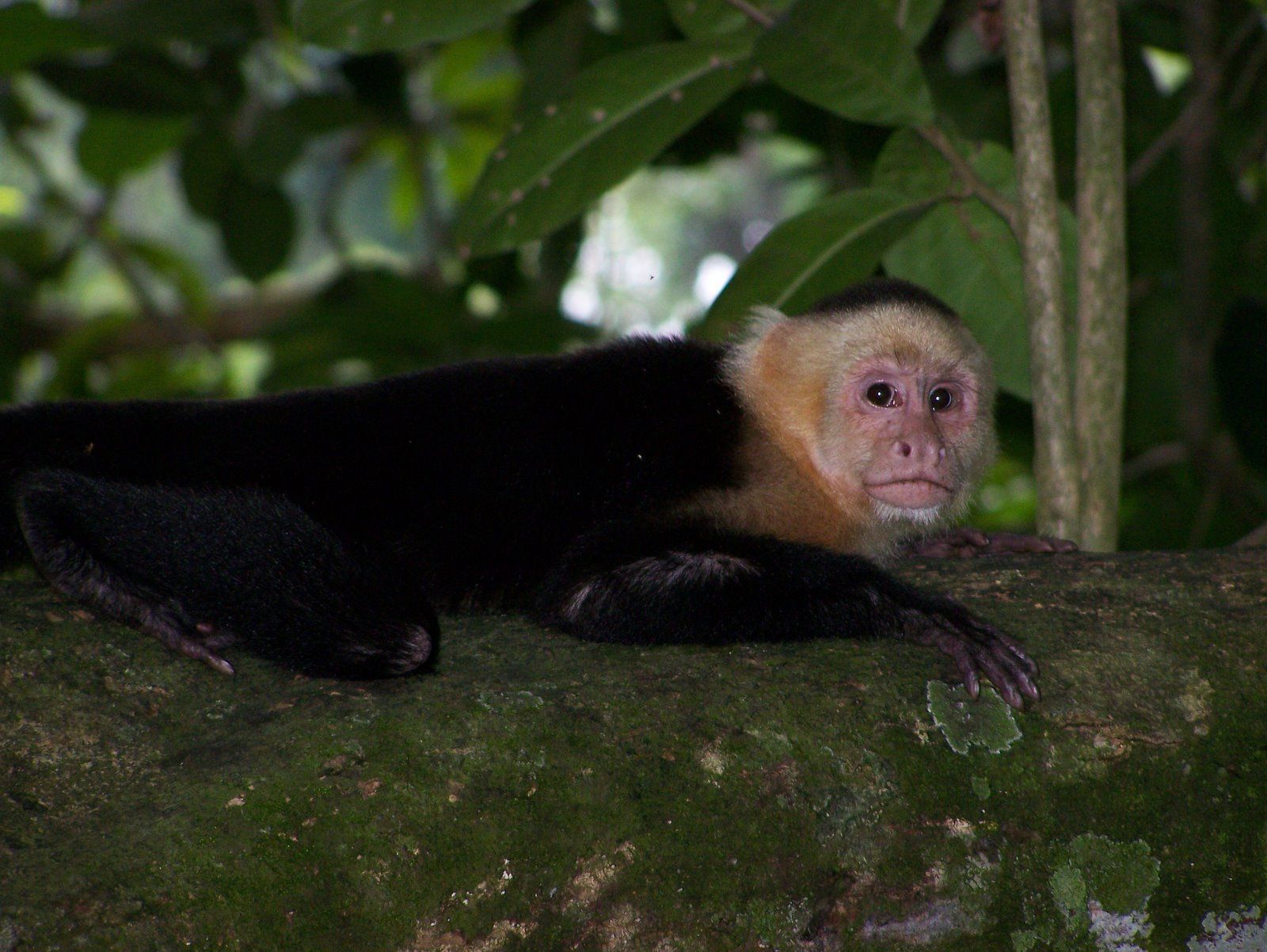
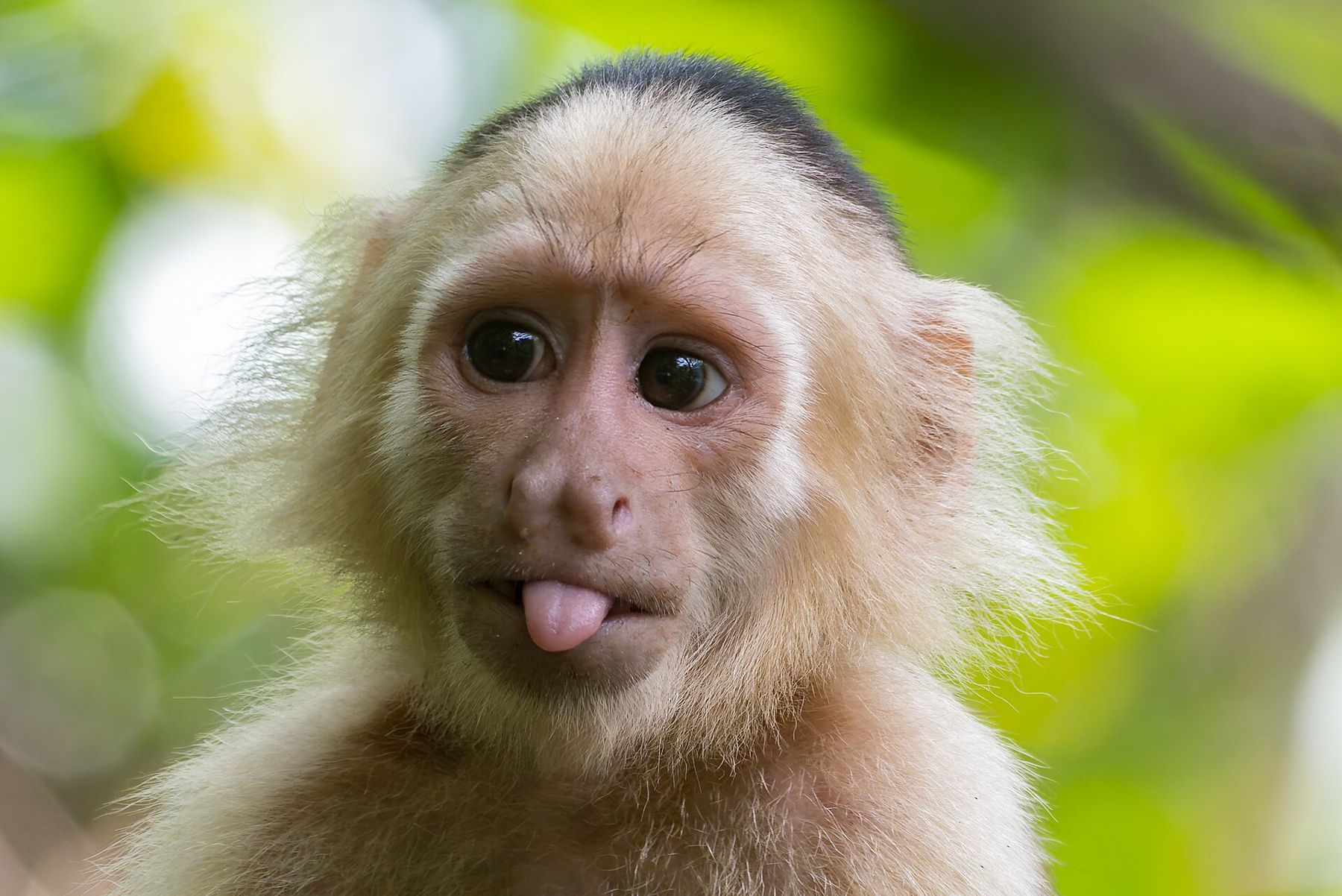
White-faced capuchins are clever and bold. They will open a bag that is left on the sand and run off with lunch. Keep food sealed and out of sight, never feed or touch them, and stay a little back from them with toddlers, who tend to reach out. A guide with a telescope helps here too: sloths, bats and tiny frogs are much easier to show a three-year-old through a lens.
Travel days and getting around
Travel days are where trips with babies and toddlers go wrong, so keep them short. Flying into Liberia rather than San José cuts hours of driving if you are staying in Guanacaste. If you go on to Manuel Antonio, break the drive with a long lunch stop, or look at short domestic flights that save a day on the road.
You will want a car on this coast. Bring your own car seat or confirm exactly what the rental company provides, and check the current rules on child seats in Costa Rica. Roads between beaches are mostly fine but can be slow, and some side roads are unpaved. Drive in daylight where you can; it gets dark early all year round.
On the flight itself, the usual tricks apply: feed on take-off and landing, pack more nappies and spare clothes than seems sensible, and walk the aisle when you can. The guide to flying with a baby covers the rest, and the guide to road trips with preschoolers helps on the drives.
If you only have one day
If you only have one day on the Guanacaste coast, keep it simple. Go to a calm bay early, collect shells for an hour, eat a long lunch in the shade, sleep through the hottest part of the afternoon, and come back to the beach for the sunset. That is the trip in miniature, and for a baby or a three-year-old it is as good as anything you could add.