Olympic National Park covers most of the centre of Washington's Olympic Peninsula and part of its Pacific coast. In one trip you can stand on a mountain ridge with views of glaciers, walk through a temperate rain forest dripping with moss and scramble among driftwood on a wild beach. For teenagers, the scale is the point: the trees are huge, the beaches are empty, and the phone often shows no bars at all. Five days is a sensible minimum, because the park is shaped like a ring with no road through the middle, and the drives between areas are long.
Day one: getting there and Port Angeles
From the Seattle area, most families cross Puget Sound on a state ferry and then drive onto the peninsula. The ferry is a good start for teens, with open decks and views of the water and the mountains. Port Angeles, on the north coast, is the usual base for the first part of the trip, with groceries, fuel and the park's main visitor centre. Stop there for maps, current road and trail conditions and advice; conditions change, and rangers know what is open.
Fill the tank and buy food for the next days. Once you leave the main towns, services are spread out and phone coverage is patchy or absent in much of the park. Download maps for offline use and print or write down directions and bookings.
Day two: Hurricane Ridge and Lake Crescent
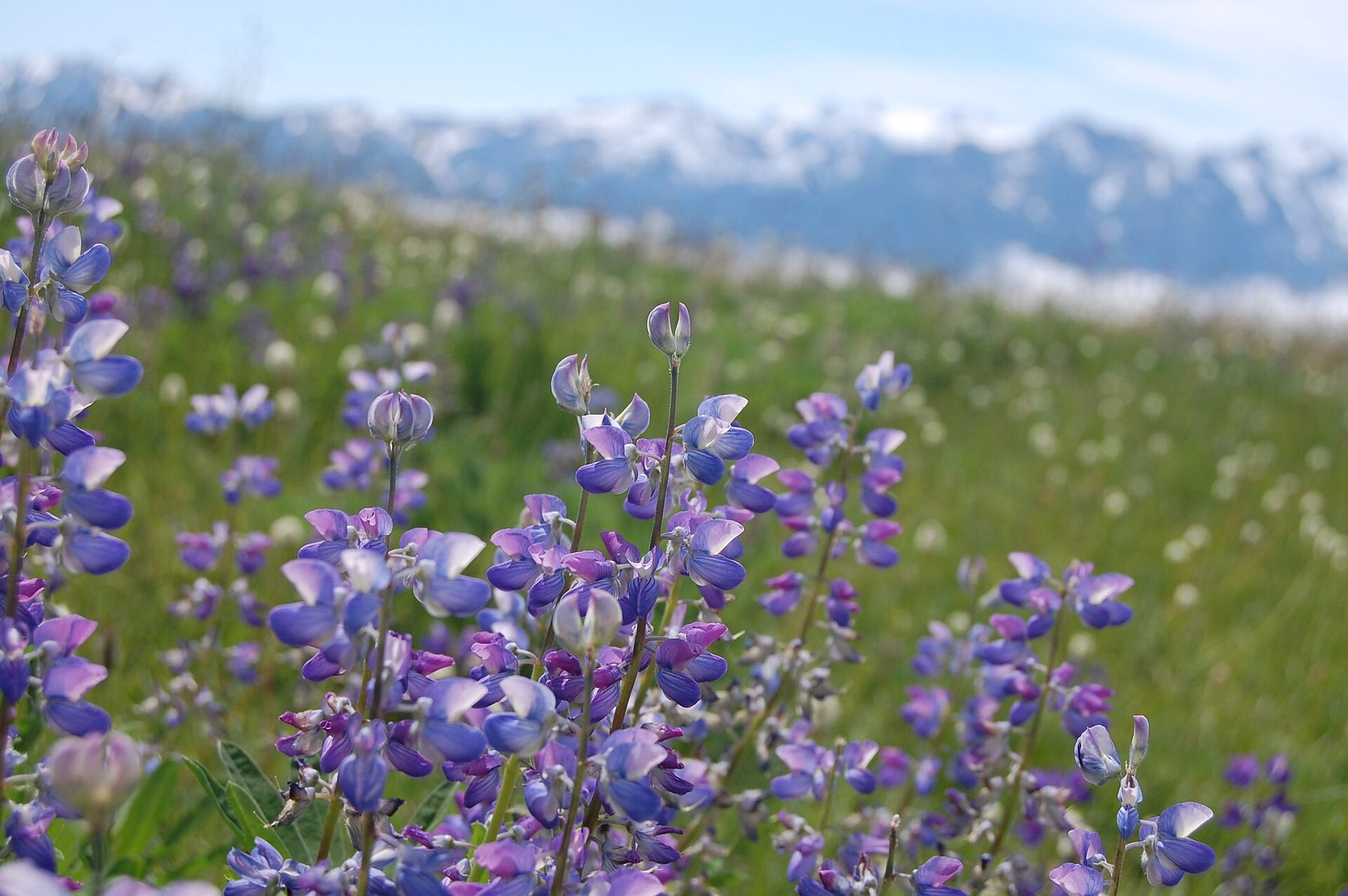
Hurricane Ridge is reached by a winding road that climbs from Port Angeles into the mountains. At the top, on a clear day, you look out over the snowy peaks of the Olympic Mountains, with subalpine meadows full of wildflowers in summer and deer and marmots in the grass. Short trails along the ridge give teens a chance to stretch their legs before a bigger hike. The road can close for weather, and in winter access is limited, so check before you drive.
In the afternoon, drive west to Lake Crescent, a long, deep lake carved by glaciers, with water so clear you can see far down from the shore. The Marymere Falls trail is an easy walk through old forest to a tall waterfall. For a real challenge, the trail up Mount Storm King branches off and climbs steeply to views over the lake; the last section is a rough, exposed scramble, and many people sensibly stop before it. It suits fit, careful teenagers in dry weather, with proper shoes and water. The water in Lake Crescent stays cold even in summer, so a swim is short and bracing.
Many teenagers find a few days without signal irritating for the first day and quietly a relief by the third.
Day three: the Hoh Rain Forest
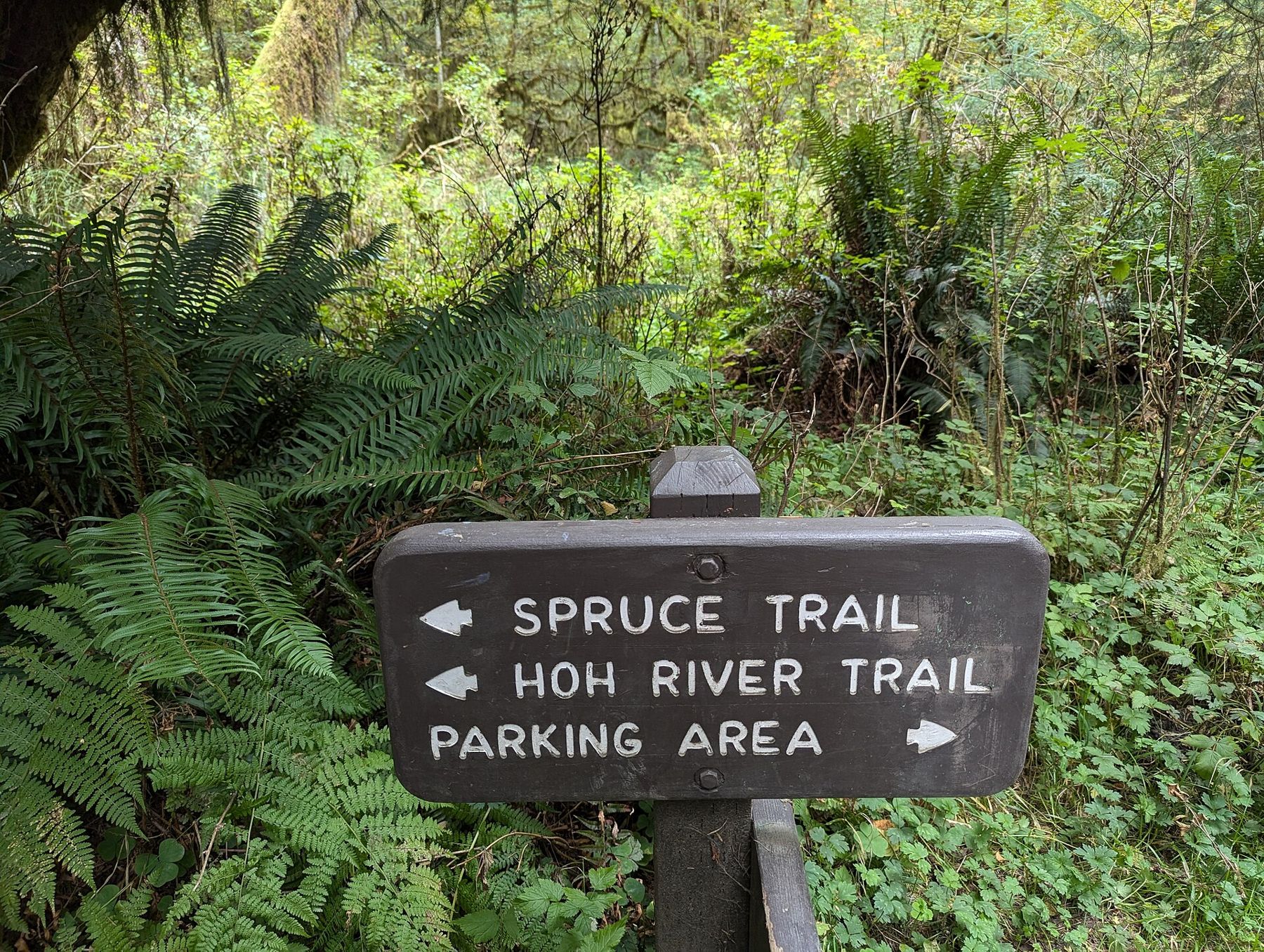
The Hoh Rain Forest, on the west side of the park, is one of the finest temperate rain forests in the world. It gets a very large amount of rain, and the result is a forest of giant Sitka spruce and western hemlock, draped in moss and ferns, with fallen trees covered in new growth. The two short loops from the visitor centre, the Hall of Mosses and the Spruce Nature Trail, are flat, well marked and easy, which leaves energy for looking. Teens who like photography will find them endlessly interesting, especially in soft, grey light.
 also in the binderThe Oregon coast with big kids6-9
The road into the Hoh is a dead end, and in summer there can be a long wait at the entrance station. Arrive early in the morning, when the forest is quiet and elk are sometimes seen near the river. Bring rain jackets whatever the forecast says; the name is accurate.
On the way, the Elwha River near Port Angeles is worth a word. Two dams on the river were removed in a project completed in the 2010s, one of the largest dam removals in the world, and the river and its salmon have been returning since. It is a good real-world story for teenagers interested in the environment.
Day four: Rialto Beach and the coast
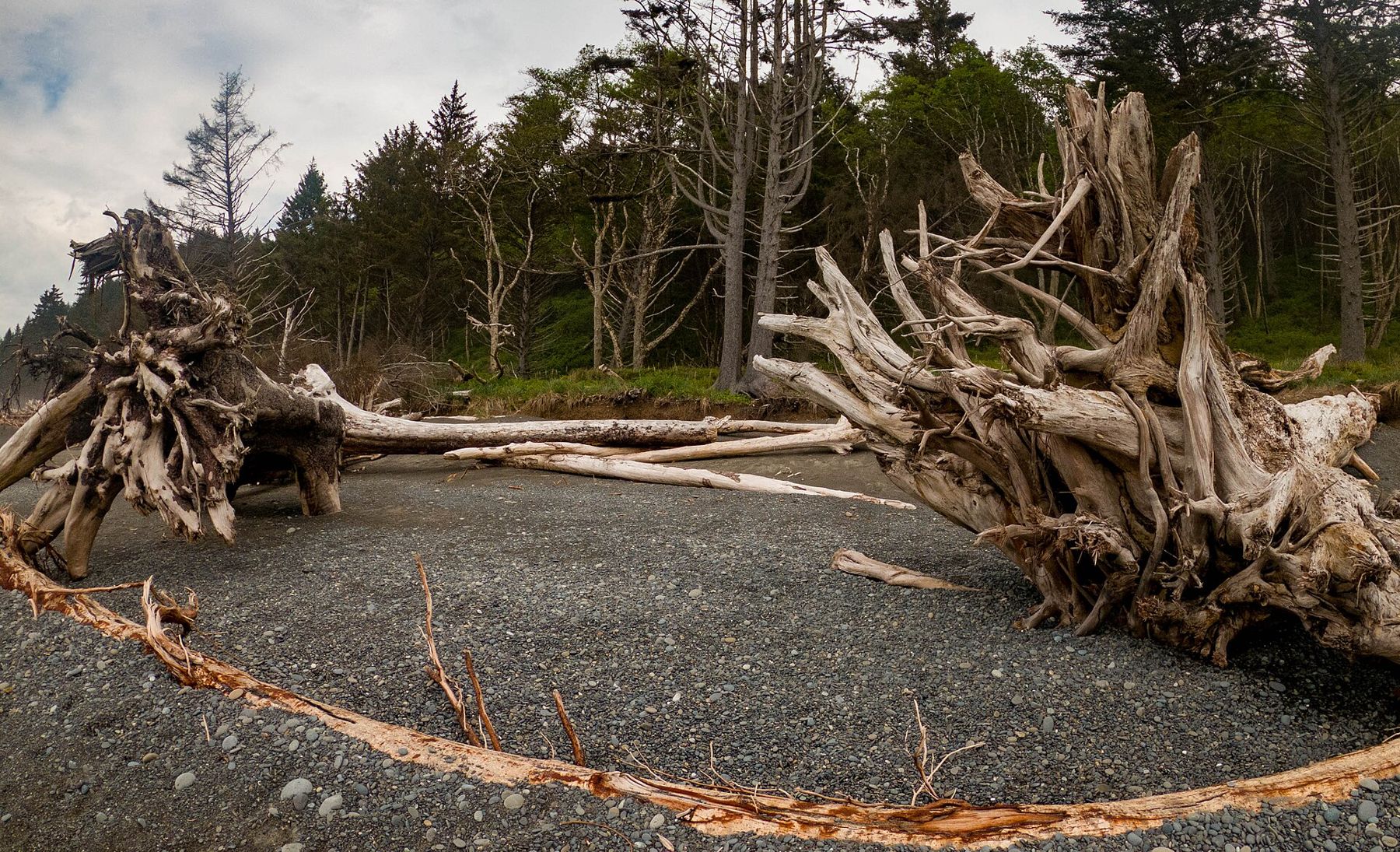
Rialto Beach, across the river from La Push, home of the Quileute Tribe, is a long beach of dark pebbles, piled driftwood and sea stacks standing offshore. The walk north along the shore leads to Hole-in-the-Wall, a rock arch that can be walked through only at low tide. Read the tide tables before you go and plan to be back well before the tide turns; incoming water can cut off headlands and trap people. Teens can take charge of the tide timing, which gives them a real job and a reason to look at the sea carefully.
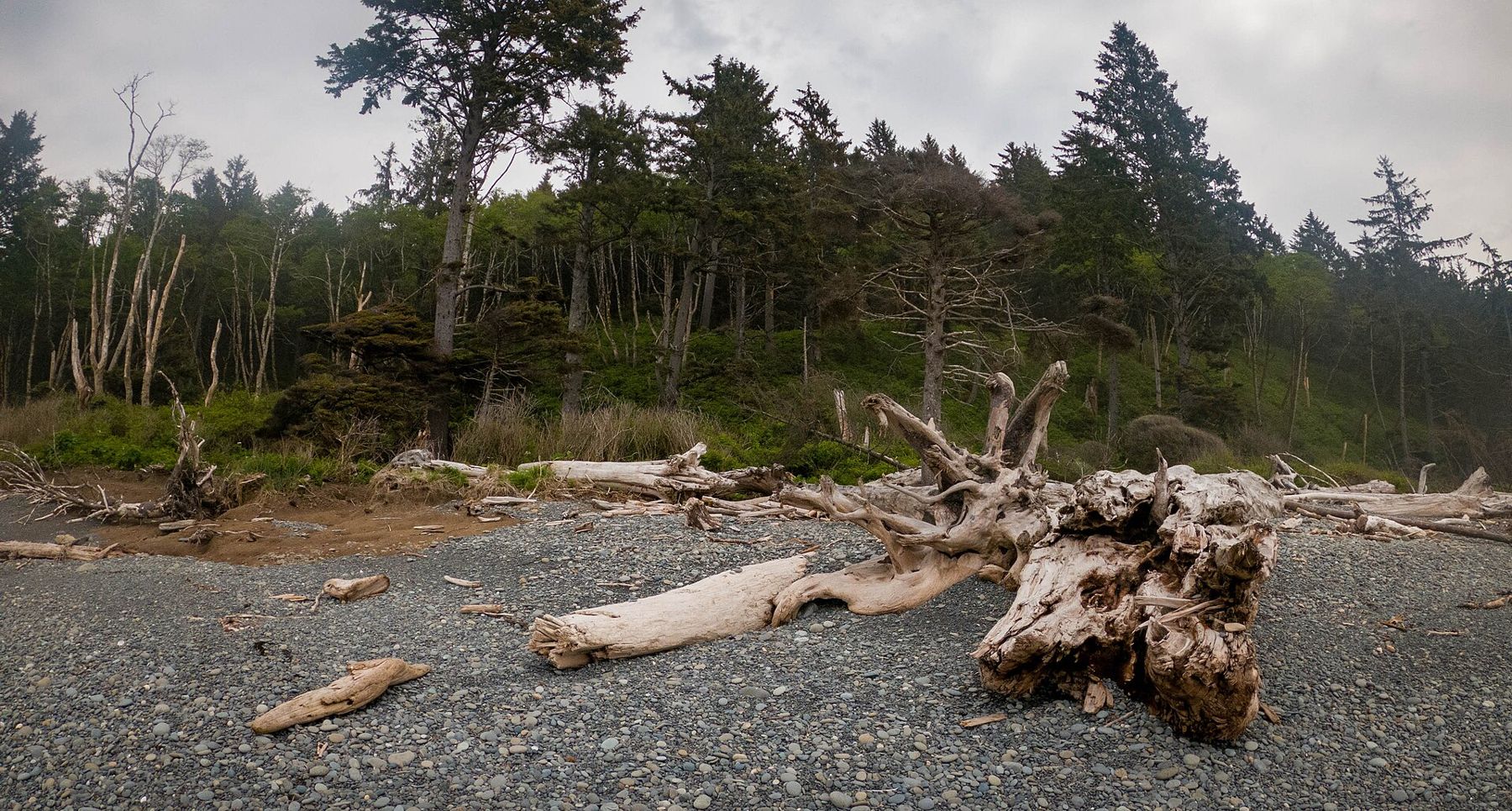
The driftwood is part of the scenery, but it is also one of the coast's real dangers. Waves can lift and roll huge logs without warning, so stay off logs near the water, and never turn your back on the sea. The water is cold, and swimming is not sensible here.
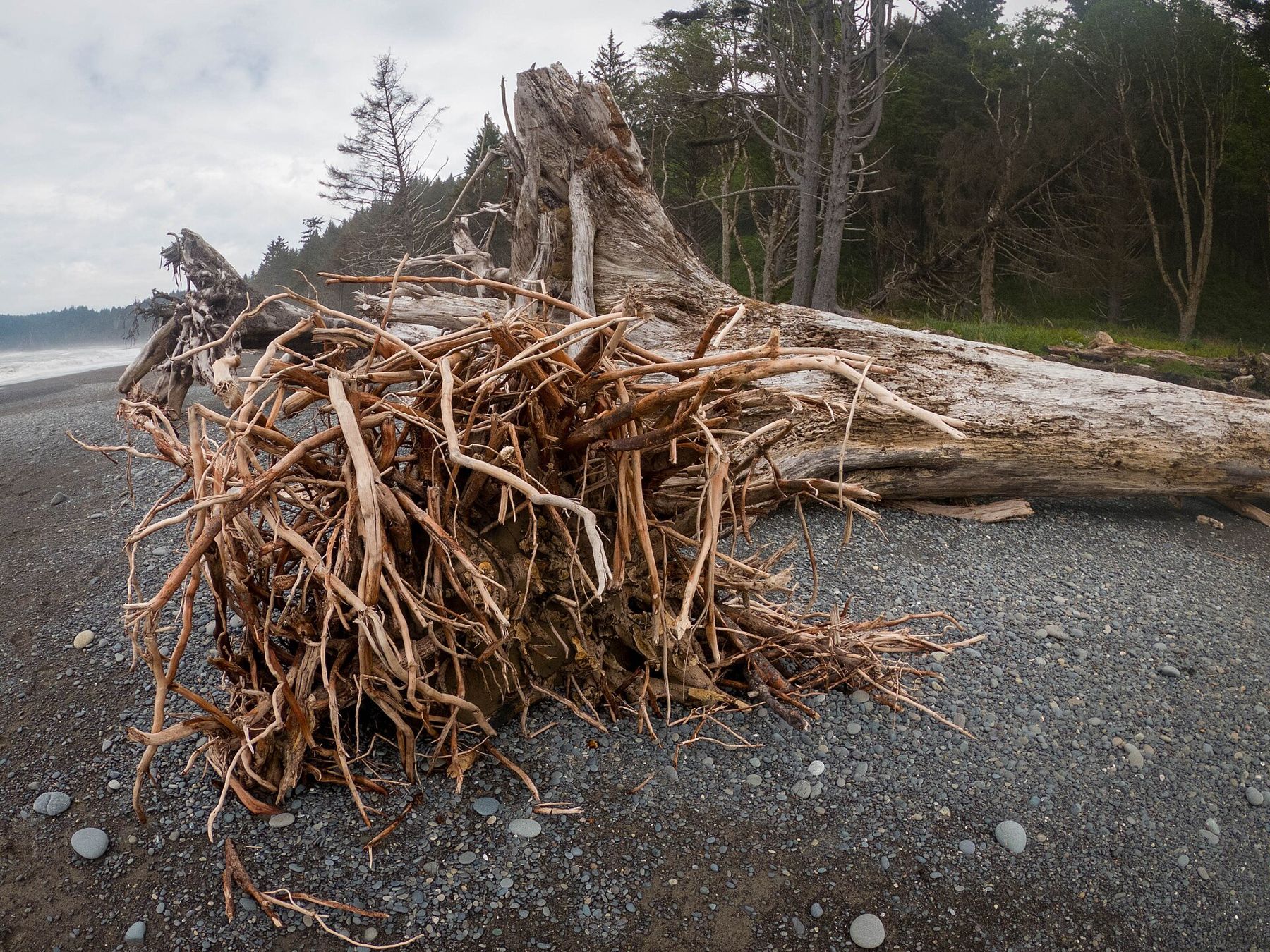
Further south, Ruby Beach is another short walk to sea stacks and tide pools, and it makes a good second stop on the drive along the coast road. Tide pools are best at low tide; look closely, touch gently if at all, and leave everything where it is.
Day five: Sol Duc or the long drive back
For a last morning, the Sol Duc valley has a forested trail to Sol Duc Falls, where the river splits into several channels and drops into a narrow gorge. Then begin the long drive back. Allow more time than any map suggests: roads are narrow and winding in places, roadworks are common in summer, and ferry crossings can mean a wait.
Long drives, little signal and keeping teens on side
The hardest part of this trip is the distance. A loop of the peninsula involves many hours in the car, and there is little to do in between except look out of the window. Agree the plan before you leave: who chooses the music, how long between stops, and what everyone can do without phone signal. Downloaded music, podcasts and books help a lot. Give teens a say in the route and a role in the plan, whether that is navigating, tracking the tides or choosing the hike for the day.
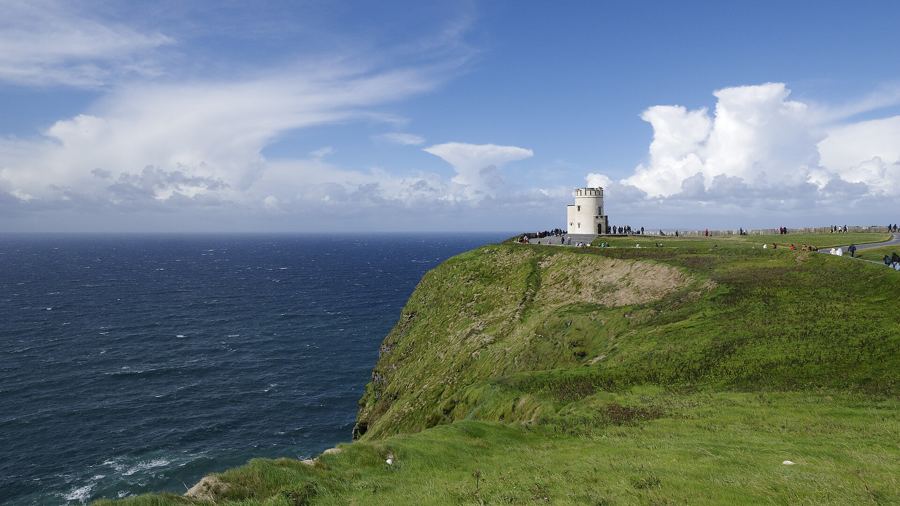
Many teenagers find a few days without signal irritating for the first day and quietly a relief by the third. Our planning guide on travelling with teenagers has more on this. If everyone enjoys this kind of trip, the west coast of Ireland with teens shares the same mix of wild shoreline and long, slow roads.
Weather on the peninsula is changeable even in summer. Pack layers, rain jackets and proper walking shoes for everyone, and check the park's alerts for road and trail closures before each day's drive.
If you only have one day
The park is too big to see in a day, so choose one area. Lake Crescent and Hurricane Ridge, both close to Port Angeles, give you a mountain view and a clear forest lake with the least driving. If you can only pick one, Hurricane Ridge on a clear morning is the view your teenagers will remember.