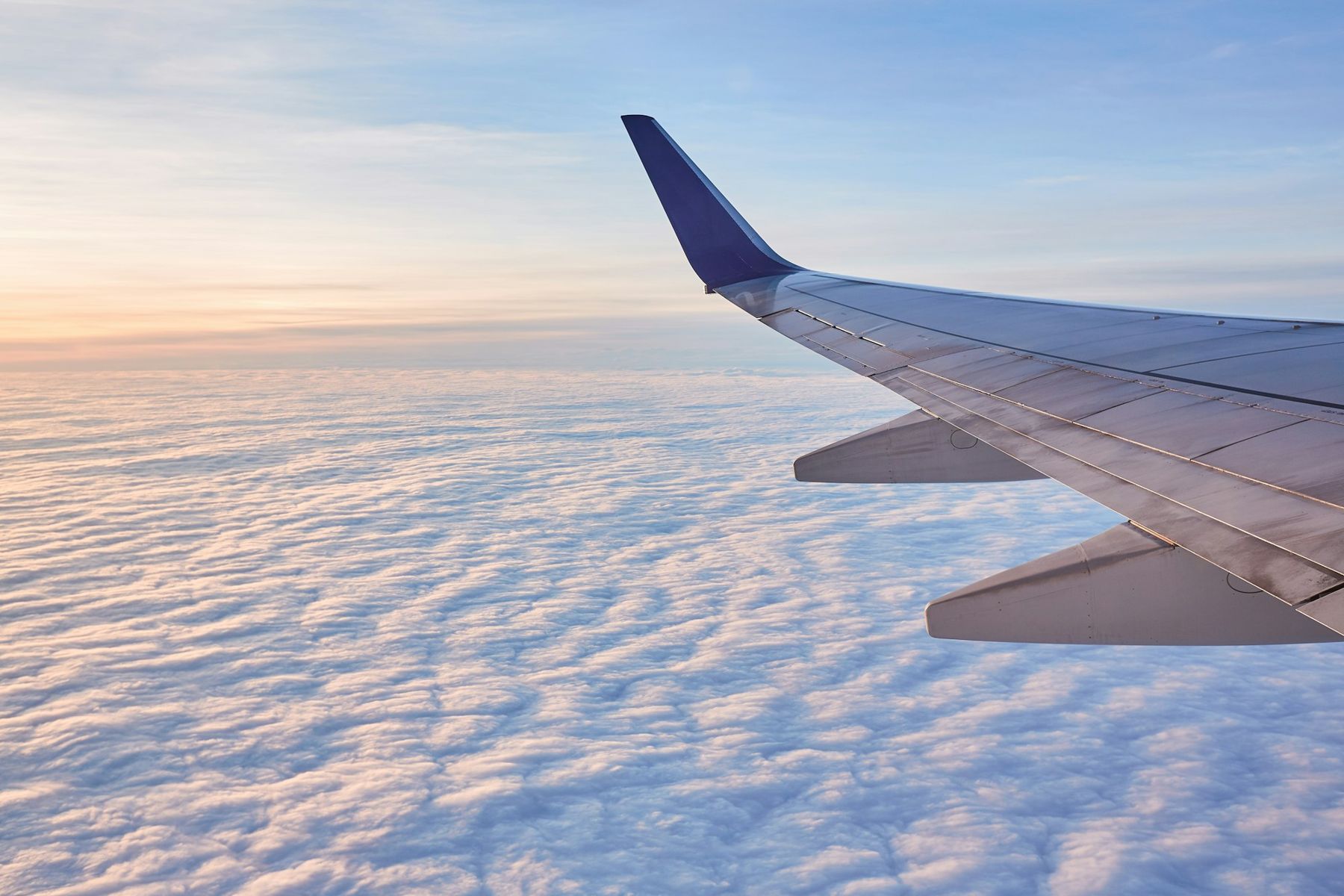
A six- to nine-year-old is in many ways the ideal first international traveller. They can carry a small backpack, sit through a long flight, walk for most of a day and stay up a little later. They read signs, count money and ask why the cars are on the other side of the road. They will remember this trip, and they will compare every later one with it.
Passports for children
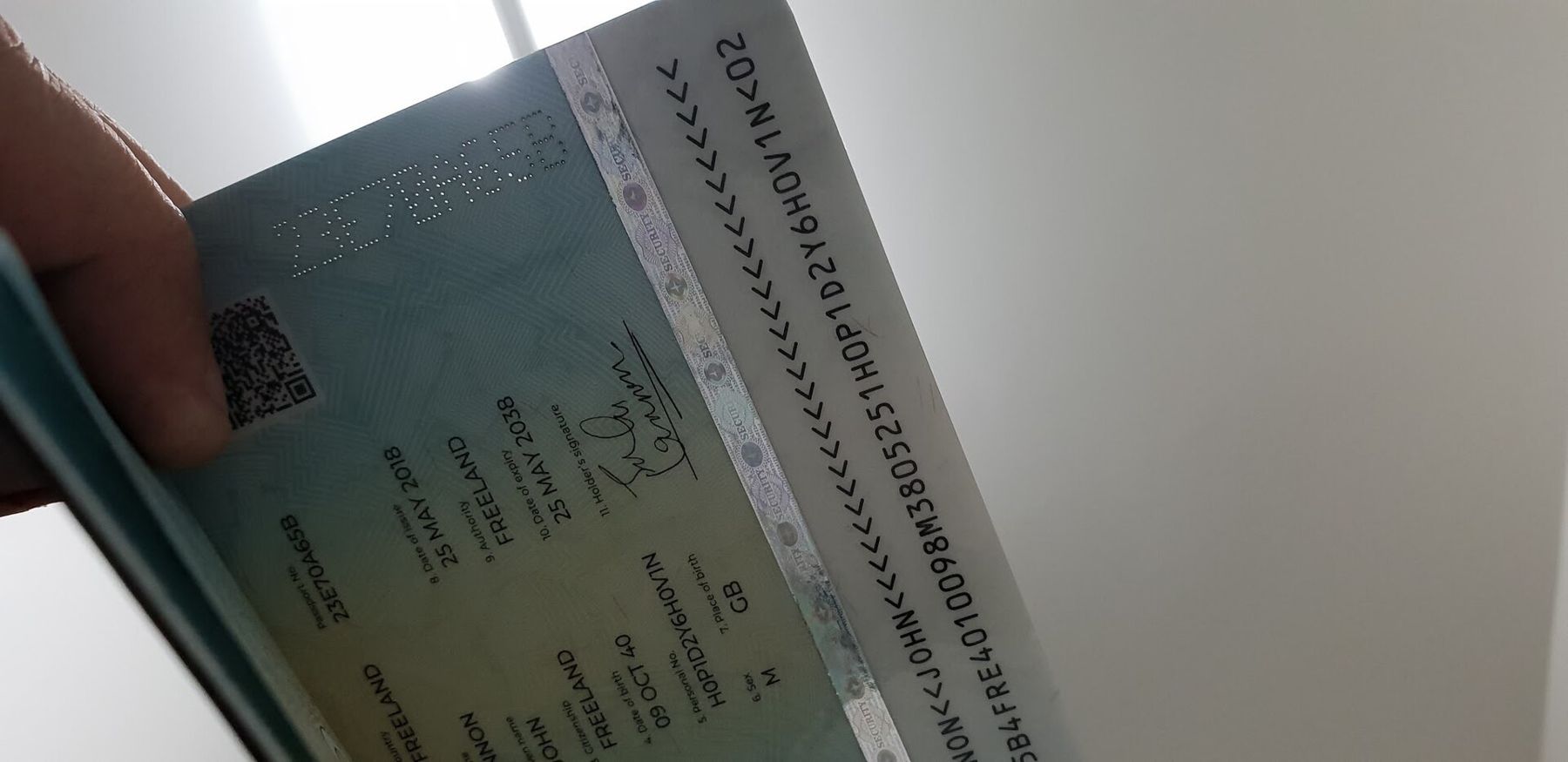
Most countries require every child, including babies, to hold their own passport for international travel. The rules for children are often stricter than for adults. In many countries both parents must give consent for a child's passport, the application must be made in person, and a child's passport is valid for a shorter period than an adult's.
Processing times change through the year and are often longest before the summer holidays. Apply months before you travel, not weeks, and check the current rules and times with your country's passport authority.
Then check the destination. Some countries want a passport to be valid for several months beyond the end of your stay, some need a visa or an online travel authorisation, and some have their own rules for children. If only one parent is travelling with a child, a signed consent letter from the other parent is often advised and sometimes required. Check with the destination's embassy or official entry website before you book.
The long flight
For many children the flight is part of the adventure. Let them carry their own small backpack with things that last: a book, a notebook and pencils, a pack of cards, a puzzle book, a downloaded film or two and headphones that fit. Add a refillable water bottle, emptied before security, and a snack they like.
On an overnight flight, keep the evening routine as close to home as you can: teeth, pyjama top or a soft layer, a story, lights down. Children of this age often sleep well on planes once the meal is over. Give the window seat to the child who will look out of it.
Jet lag hits children too. Spend the first day outside in daylight, keep it easy and aim for a normal local bedtime. Plan nothing important for the first afternoon.
Airports are new territory too. Let your child find the gate number on the departure board, follow the signs to it and watch the planes being loaded through the window. Explain each step before it happens: the bag drop, security, passport control, boarding. A child who knows that the bags come back at the other end, and that passport control is just a check, is far less anxious in the queue.
New food without the battles
Food is where many first trips abroad wobble. A tired child faced with a menu of unknown dishes can refuse everything. A few rules help:
- One new thing a day is the target, not every meal.
- Breakfast can be familiar: bread, fruit, yoghurt and eggs exist almost everywhere.
- Markets and bakeries let children point at what they want and see it first.
- A child who tries something and dislikes it has still done the job.
Learn the words for the foods your child already eats, and for any allergy. If your child has a food allergy, carry a card in the local language that explains it, and talk to your doctor about what to bring.
 also in the binderGive your tween a job on the trip10-12
A plan for getting lost
Busy stations, markets and museums are where children get separated. Before you go out, agree the plan with your child and practise it at home.
- If you lose sight of your grown-ups, stand still. They will come back to where they last saw you.
- If nobody comes after a while, ask a person in uniform or someone working at a counter, or a family with children.
- Never leave the building or the station with anyone.
Put a card in your child's pocket with your phone number, including the country code, and the name of where you are staying. In every busy place, pick a meeting point that cannot be missed: a fountain, a big clock, a ticket office. A brightly coloured hat or top makes your child easier to spot in a crowd.
Money they can count
Children of this age enjoy foreign money. Give each child a small purse with a few coins and notes on the first day and let them pay for something small: bread, a postcard, a drink. Counting change in a new currency is good maths practice, and spending their own money means they think twice about what they want.
Agree in advance what their money is for and what you will pay for. A set amount for the whole trip, rather than daily requests, saves arguments in every souvenir shop.
Keeping a trip journal
A notebook turns a trip into something a child makes as well as watches. Bring a small, sturdy one and a glue stick. Each evening, they can stick in a ticket, a sugar packet, a leaf or a receipt, draw one thing they saw and write a sentence or two. Younger children can dictate while you write.
Ask a question each night: what surprised you today, what was different from home, what would you show a friend. The answers are often the best record of the trip, and the journal keeps them busy on trains and in restaurants.
Choosing a first destination abroad
For a first trip, pick a place that is easy to move around and has plenty for this age to do. Paris works well when the theme parks are only part of the plan: two days at Disneyland Paris can sit next to the city, reached by the RER train. Arenal and Monteverde in Costa Rica suit children who like animals, with hanging bridges, night walks and the chance to see sloths. If a long flight feels like too much this year, a big city at home, such as Chicago in three days, is good practice in trains, museums and maps.
Keep the first itinerary short, with one or two bases rather than a new hotel every night. A child who comes home tired but happy will ask where they are going next.