The Oregon coast is not a swimming holiday. The water is cold all year, the weather changes quickly and the waves deserve respect. What it offers six- to nine-year-olds is better: tide pools full of sea stars and anemones, sea lions barking on the docks, lighthouses on headlands, and sand dunes tall enough to feel like mountains. Five days is enough to drive the most interesting stretch, from Cannon Beach in the north to the dunes near Florence, without long hours in the car.
The route below follows US Route 101, the coast road, which runs the whole length of the state. Fly into Portland, drive west to the coast, and plan to return inland from Florence to Eugene or back up to Portland.
Days one and two: Cannon Beach and Ecola
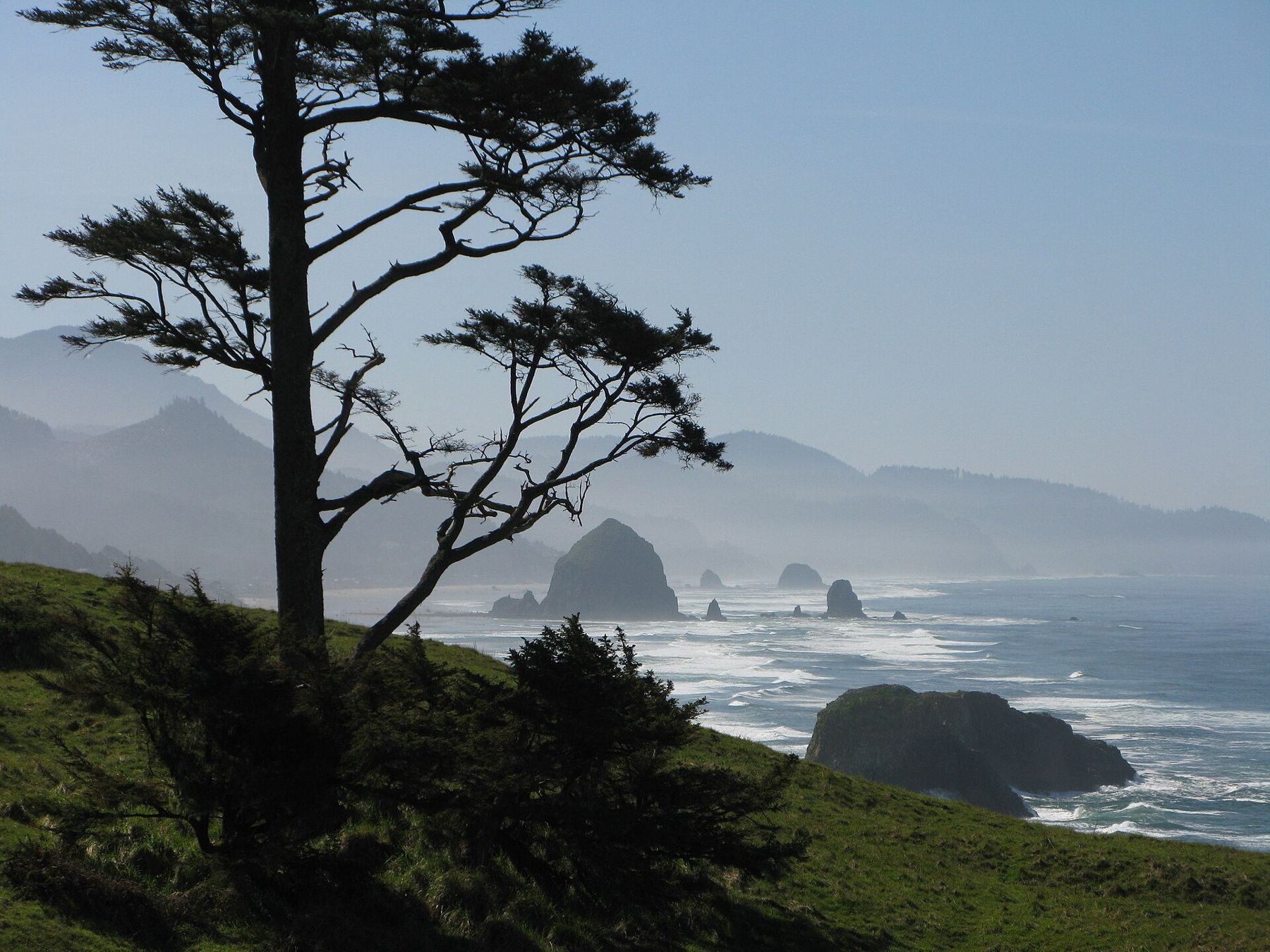
Cannon Beach is about a ninety-minute drive from Portland and is the best place to start. Its wide, flat beach is good for running, kites and sandcastles, and Haystack Rock, a huge basalt sea stack, rises straight from the sand. At low tide, the pools around its base are full of sea stars, anemones and small crabs. Volunteers are often on the beach in season to show children what to look for and how to look without touching or lifting.
Look up the low-tide times for your beach day first. The pools are only exposed for a few hours around low tide, and the best tides of the day may be early. Climbing on the rock itself is not allowed, as it is a protected nesting site; in spring and early summer, puffins nest on the upper slopes, and children can watch them with binoculars.
Ecola State Park, just north of town, has forest trails and viewpoints over the coast and Haystack Rock, and a path down to Indian Beach, where children can watch surfers. Landslides have closed the park road at times, so check its status before you plan the day. The short walks to the viewpoints suit this age well; the longer trails can be muddy.
Day three: down the coast to Newport
The drive south from Cannon Beach to Newport takes a few hours without stops, passing beaches, bays and headlands. Break it at Pacific City, where Cape Kiwanda has a big sand dune children can climb for a view down to the waves. The climb is steep and tiring, which makes the run down worth it. If you have time for a detour, the Three Capes Scenic Route between Tillamook and Pacific City leaves the main road for a slower drive past Cape Meares, with its short lighthouse, and Cape Lookout, where forest trails reach out over the sea. Keep the detour short if anyone in the back seat gets carsick on curves.
Newport is the most useful base on the central coast. On the bayfront, sea lions haul out on the docks and make a great deal of noise, which children find endlessly entertaining. Across the bridge, the Oregon Coast Aquarium has sea otters, seabirds and tunnels where sharks and rays swim overhead. Plan a few hours. Next to it, the Hatfield Marine Science Center has a smaller visitor area with hands-on exhibits.
 also in the binderArenal and Monteverde with kids: volcano, cloud forest and a lot of rain6-910-12
Day four: Yaquina Head and the lighthouses
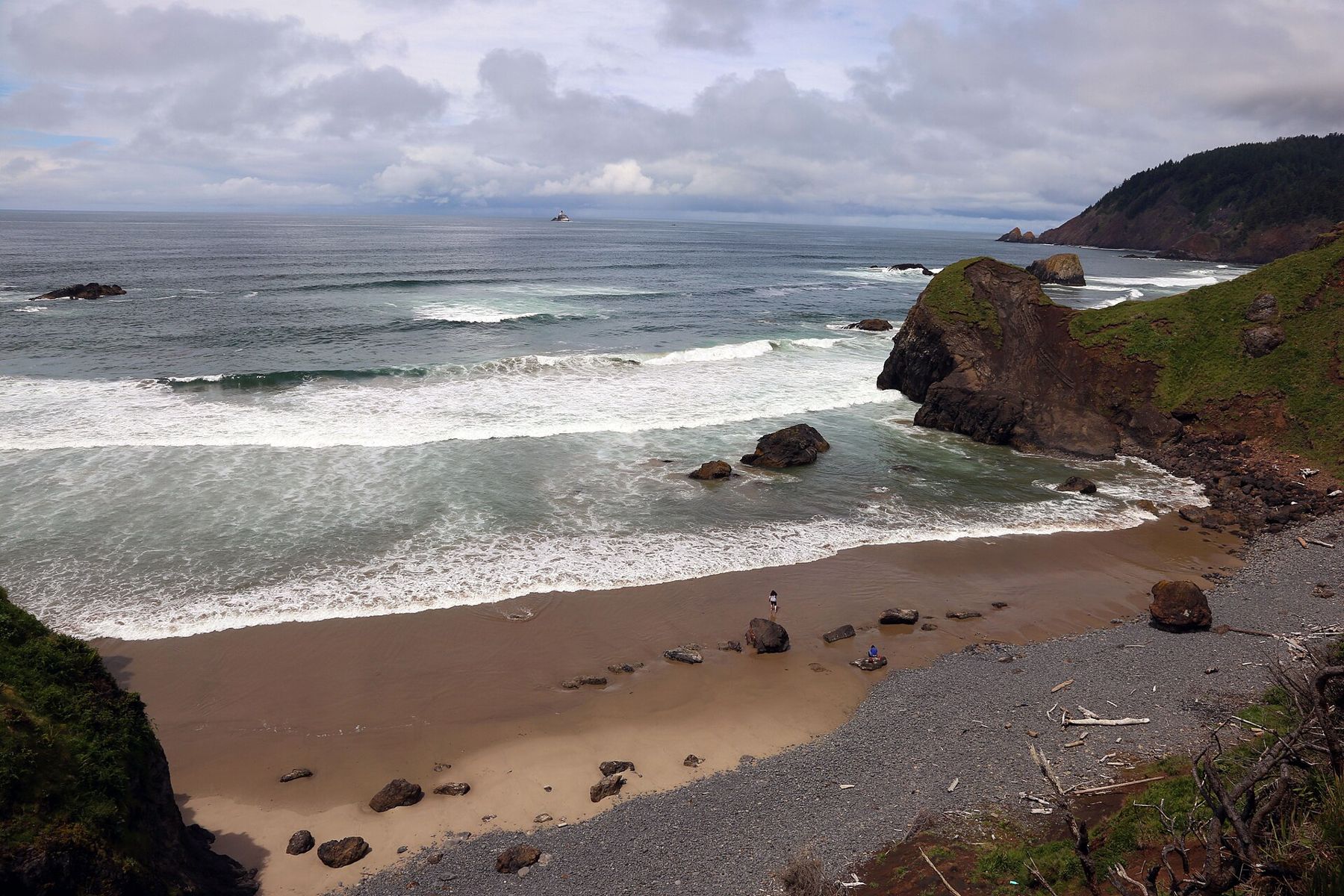
Yaquina Head Outstanding Natural Area, just north of Newport, is one of the best stops on the trip. The tall Yaquina Head Lighthouse stands on the headland, and below it, Cobble Beach is covered in smooth round black stones that rattle as waves pull back. At low tide, the pools there are full of life, and seals and seabirds are often on the rocks offshore. There is an entry fee for vehicles; check the current arrangements.
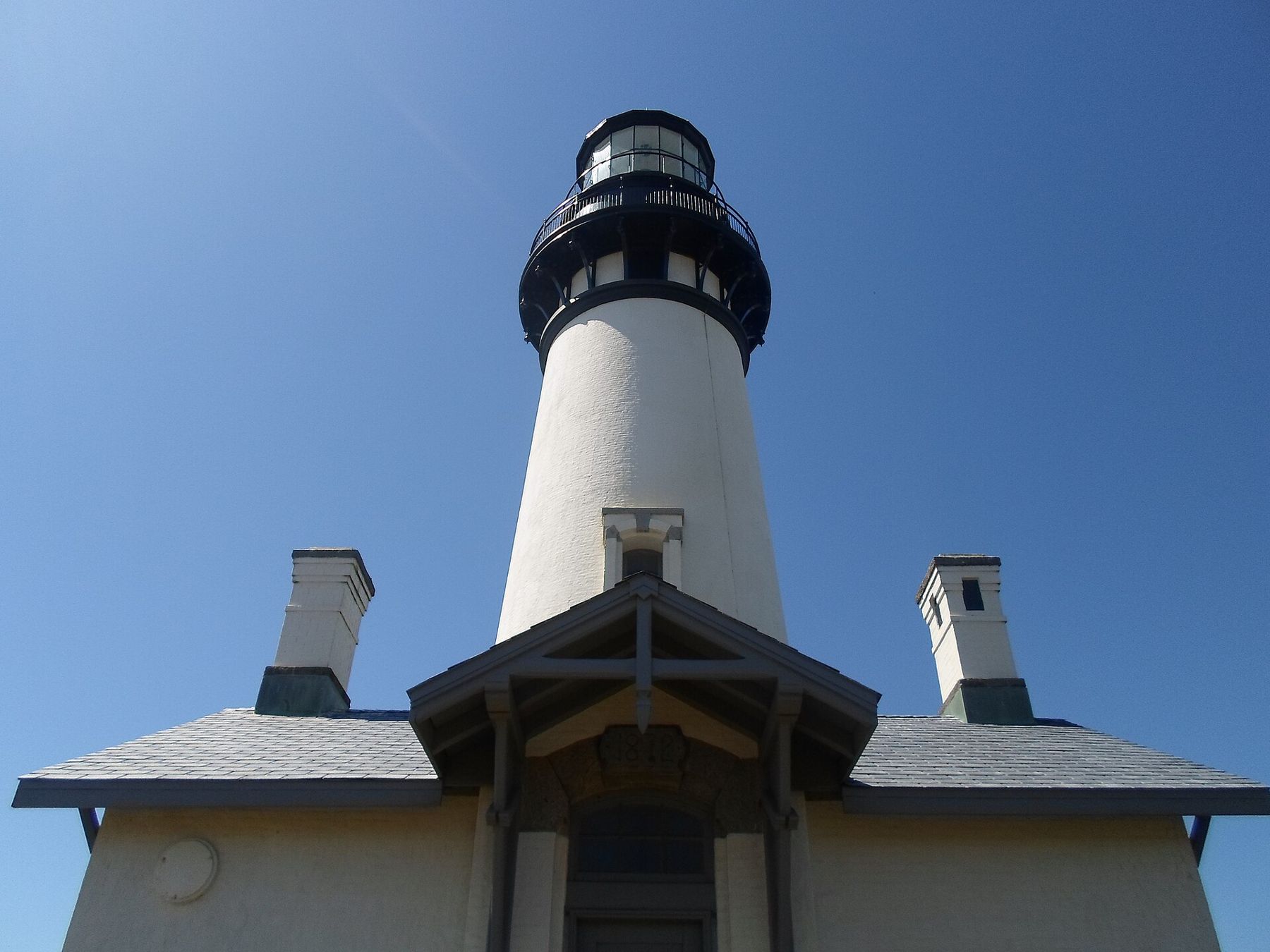
South of Newport, the coast between Yachats and Florence is rocky and wild. Cape Perpetua has short trails and viewpoints over spouting rock channels, and Heceta Head Lighthouse sits on a cliff above a cove. This is the stretch where the ocean is most dramatic, so it is also where the safety rules matter most.
The water is cold all year, the weather changes quickly and the waves deserve respect.
Day five: the Oregon Dunes
The Oregon Dunes National Recreation Area stretches for many miles south of Florence, with sand hills rising high above the forest. For children, this is the highlight: running up, sliding and tumbling down. The Oregon Dunes Overlook, off US 101, has viewing platforms and a trail into the sand. Jessie M. Honeyman Memorial State Park, just south of Florence, has big dunes sloping down to a freshwater lake, which is a little warmer than the ocean on a summer day.
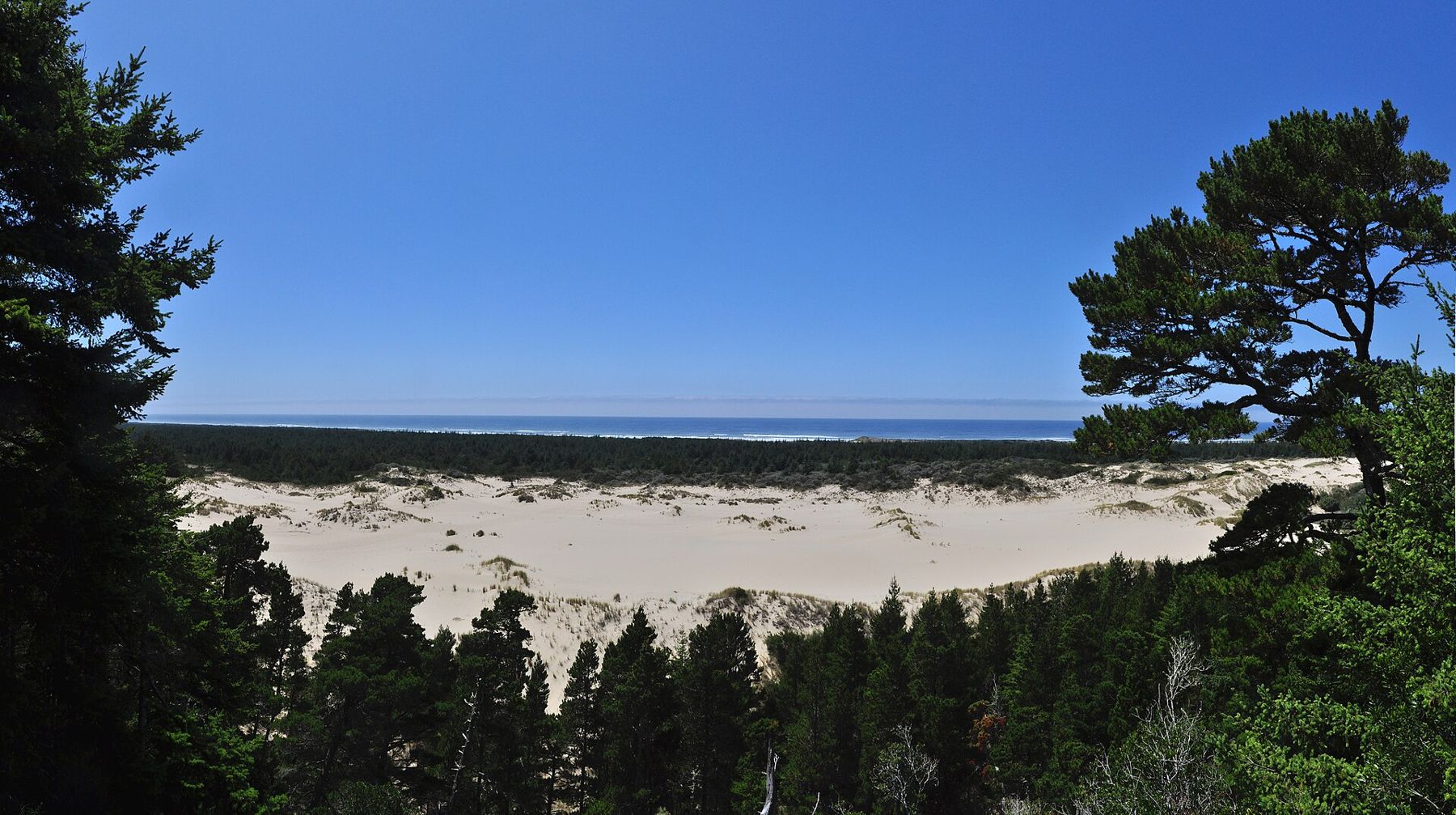
Parts of the dunes are open to off-road vehicles. Stay in the areas set aside for walking, and keep children close where you can hear engines.
Cold water, layers and the hard moments
Oregon's ocean beaches are public by law, so you can walk almost the whole coast without worrying about private land. Many towns along the way have simple motels, rental cottages and state park campgrounds, some with cabins or yurts that children love; summer weekends book up well ahead.
A beach kit for this trip is different from a warm-weather one. Bring a bucket for looking at, not collecting, tide-pool creatures, a small magnifying glass, a kite, binoculars for birds and whales, and a towel and dry socks for every child, because someone will always step in a pool. Grey whales pass along the coast in winter and spring, and some stay near the shore through summer, so keep looking out to sea from the headlands.
Pack for cool weather even in summer. Mornings are often foggy and windy, and the afternoon can be bright. Fleeces, rain jackets, warm hats and a spare set of clothes for each child are essential, and old shoes with good grip for wet rocks.
- Sneaker waves. Large waves can surge far up the beach without warning. Never turn your back on the ocean, and teach children the rule before the first beach.
- Logs. Driftwood logs on the beach can roll when waves reach them. Do not let children climb on logs near the water.
- Tide pools. Rocks are slippery and the tide comes back faster than it seems. Watch the time and stay on the near side of the rocks.
- Car time. The coast road is winding and slow. Stop often, and give children a job, such as spotting lighthouses or keeping the tide times.
If this trip goes well, the guide to a first big trip with children this age has more on planning. Older brothers and sisters may enjoy the rainforests and beaches of the Olympic Peninsula in Washington, and the Indiana Dunes offer a shorter dune trip in the Midwest.
If you only have one day
Drive from Portland to Cannon Beach early, timing your arrival for low tide. Spend the morning at the Haystack Rock tide pools, have lunch in town, then drive up to Ecola State Park for the view back down the coast. Back on the beach for the late afternoon, there is time to fly a kite and build a sandcastle before the drive back. You will see only a small part of the coast, but children of this age go home having held their first tide-pool lesson and stood in front of one of the most famous rocks in the West.