Disneyland Paris sits in Marne-la-Vallée, around thirty kilometres east of the centre of Paris. It is close enough to visit from the city and far enough to feel like a different trip. For families with six- to nine-year-olds, two days there fit neatly inside a week in Paris: a city that can be hard work for children is balanced by two days that are entirely theirs.
Getting there by RER
The simplest way to reach the parks is the RER A, the suburban train line that runs across Paris from west to east. Trains from central stations such as Châtelet–Les Halles, Gare de Lyon and Auber run to Marne-la-Vallée–Chessy, the end of one eastern branch. The journey takes around forty minutes, and the station sits a short walk from both park entrances.
Check the destination on the front of the train before you board. The RER A splits into branches east of Paris, and not every eastbound train goes to Marne-la-Vallée. Ticket types and fares for the RER have changed in recent years, so check which ticket covers the trip before you go, and buy return tickets in the morning to avoid the queue at the machines in the evening.
The same station is served by high-speed TGV trains, which is useful if you are arriving from elsewhere in France or travelling on afterwards. Big kids enjoy the train ride itself: a double-decker carriage, the city falling away and the first glimpse of the hotels near the parks.
If you are thinking about this as part of a first trip abroad with young children, our guide to a first passport trip with six- to nine-year-olds covers passports, long flights and new food.
The two parks
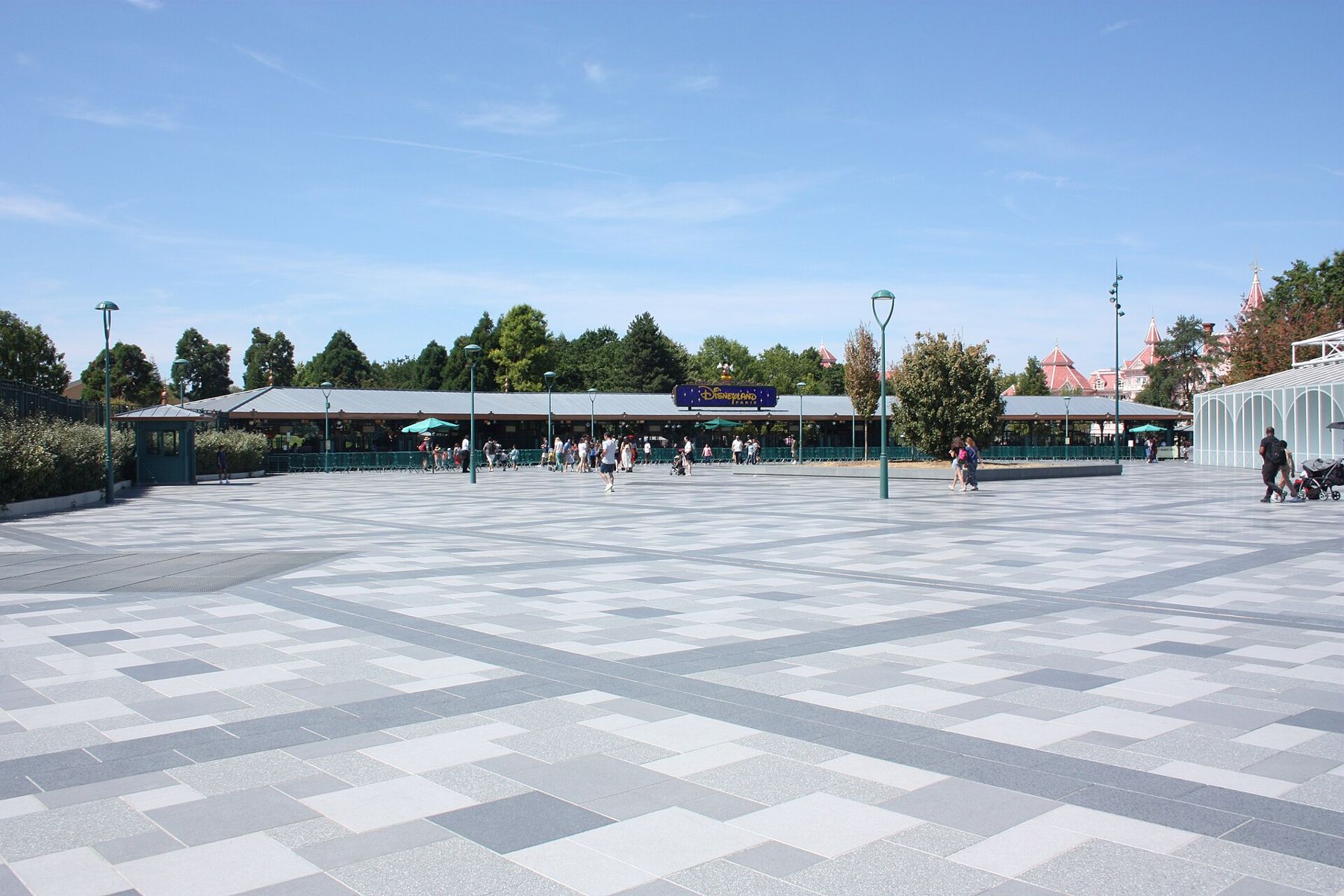
There are two theme parks side by side, separated by a short plaza near the station. Disneyland Park is the larger and older one, and it is the one to prioritise. Its lands follow the familiar pattern: Main Street, Frontierland, Adventureland, Fantasyland and Discoveryland, all set around the castle.
The second park, next door, is smaller and built around film, animation and superheroes. It has been rebuilt and expanded in recent years. Its rides suit big kids who want speed, and it can be a good second morning.
Queues follow a familiar pattern. They are shortest in the first hour after opening and during the evening show, and longest in the early afternoon. French school holidays and weekends are busier than weekdays in term time, so a Tuesday in early June is a very different day from a Saturday in August.
Between the station and the parks is Disney Village, a strip of restaurants and shops that stays open after the parks close. It is useful for dinner, though it gets busy on weekend evenings.

A good two-day plan: on day one, take an early train and spend the full day in Disneyland Park. Ride the most popular rides early, rest in the middle of the day and stay for the evening show if your children are rested. On day two, start in the second park, then cross back for the rides you missed. If you stay overnight near the parks, you avoid two long train days, but many families sleep in Paris and do two day trips.
 also in the binderA first visit to Disneyland in Anaheim3-56-9
What is different from the American parks
Disneyland Paris opened in 1992, and its designers worked hard to make it feel European. The castle is more storybook than Gothic, with stained-glass windows inside, and a cave below it holds a large mechanical dragon that sleeps, stirs and breathes smoke. For six- to nine-year-olds, this is often the highlight of the first day.
Discoveryland replaces the futuristic land of the American parks with a future imagined in the age of Jules Verne, all brass, copper and steam. Frontierland is built around a mountain on an island in a lake, with old mining props, camp kitchens and weathered timber, and its paths are good for wandering.
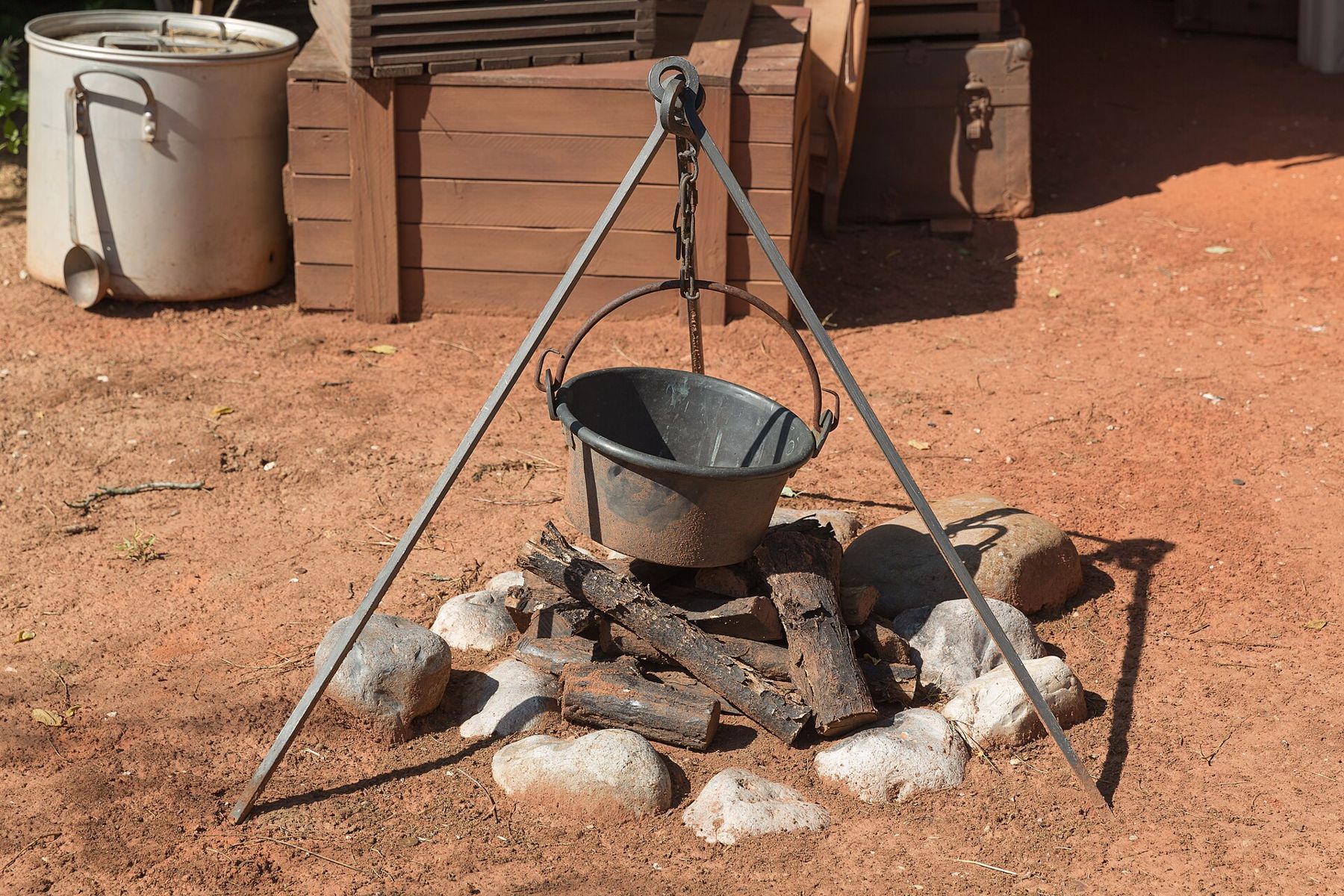
Main Street has a long covered arcade on each side, which means you can walk from the gates to the castle without getting wet. In Paris weather, that matters.
Signs and announcements are in French and English, and staff speak English widely. Rides are generally similar in style to the American parks, though some are unique. Height limits apply on many rides and are listed by the park; check them before you go and measure your child at home.
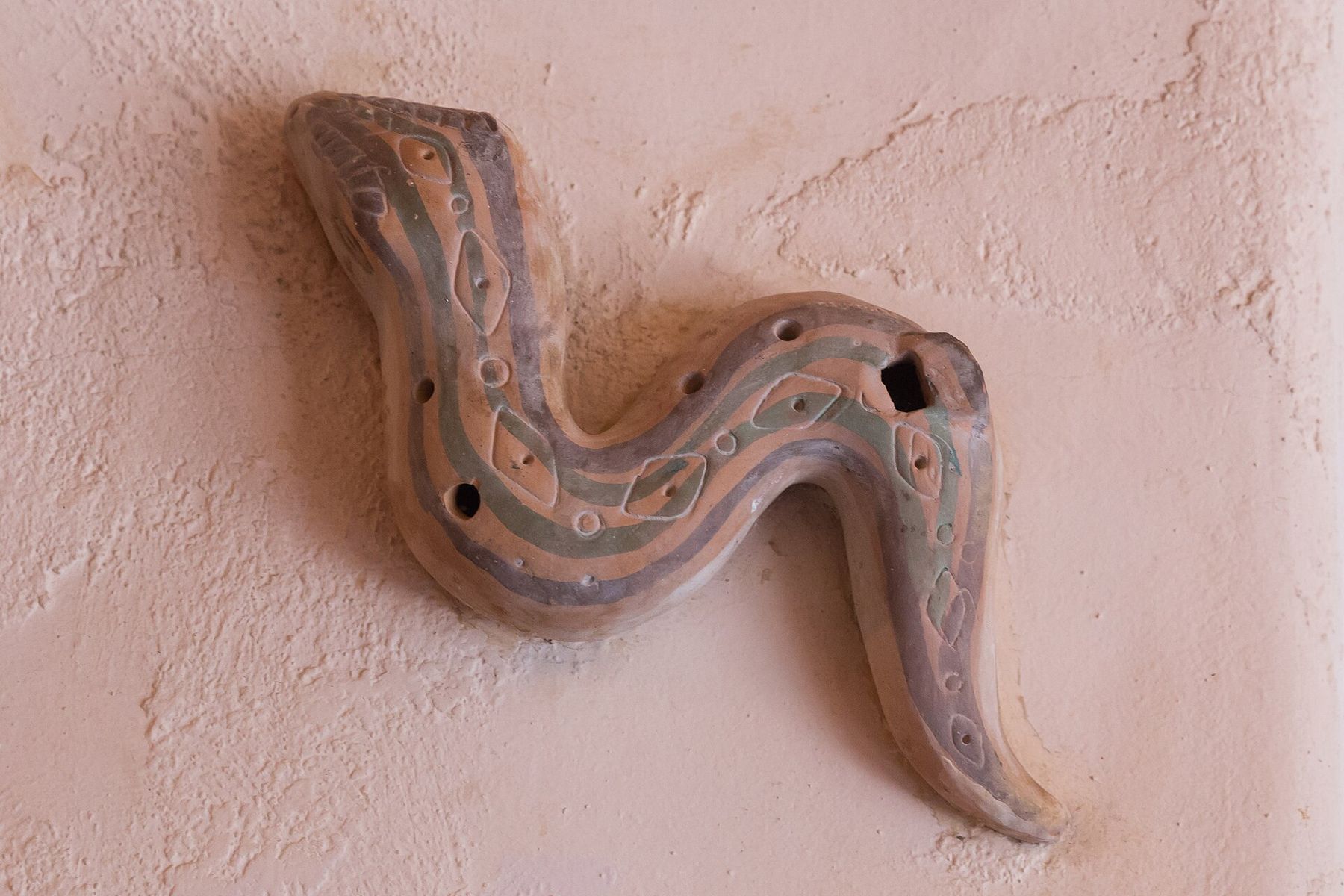
Families who have already visited California will spot the differences quickly, and our guide to Epcot and Hollywood Studios covers how the Florida parks compare for children a little older.
Combining it with the city
Paris is a walking city, and its museums, monuments and long lunches can exhaust children by the third day. Two Disney days are a release valve. Put them in the middle of the week, not at the end: children who have had their own days are more patient on the days that follow.
A rhythm that works: two days in Paris, one Disney day, a lighter day in the city with gardens and a boat on the Seine, a second Disney day, and a final day in Paris. Leave the evening after each Disney day free; children will sleep on the train back. For a longer city plan with older children, our guide to Paris with tweens covers the Eiffel Tower, the Louvre in small doses and the Metro.
Two Disney days are a release valve.
Weather and the hard moments
Paris weather is changeable in any month. Rain can fall in summer, winter days are short and cold, and spring and early autumn are usually the most comfortable. Pack layers and light rain jackets at any time of year, and dress children warmly for the evening shows, even in late spring.
The hard moments are mostly about travel. The morning train can be full during rush hour, and the evening trains back to Paris are crowded with tired families. Agree a plan if anyone gets separated on the train: get off at the next station and wait on the platform. Practise it with your children before the first trip, so the rule is familiar rather than frightening. Inside the parks, the same idea applies: choose a meeting point you can all recognise, such as the entrance to Main Street, and teach six- to nine-year-olds that if they lose you, they stay still and ask a member of staff with a name badge for help. Write your phone number, with the international code, on a wristband or a card in their pocket. Hunger hits before lunch; French meal times run later than many children are used to, so carry snacks. Free drinking fountains in the parks help with water.
If you only have one day
Choose Disneyland Park. Take an early RER A, arrive before opening and head straight for the rides your children most want. See the castle and the dragon in its cave, walk the covered arcades if it rains, rest in the middle of the day and leave before the last evening rush. One full day is enough to show a six- to nine-year-old what the place is, and it leaves the rest of the week for Paris itself.