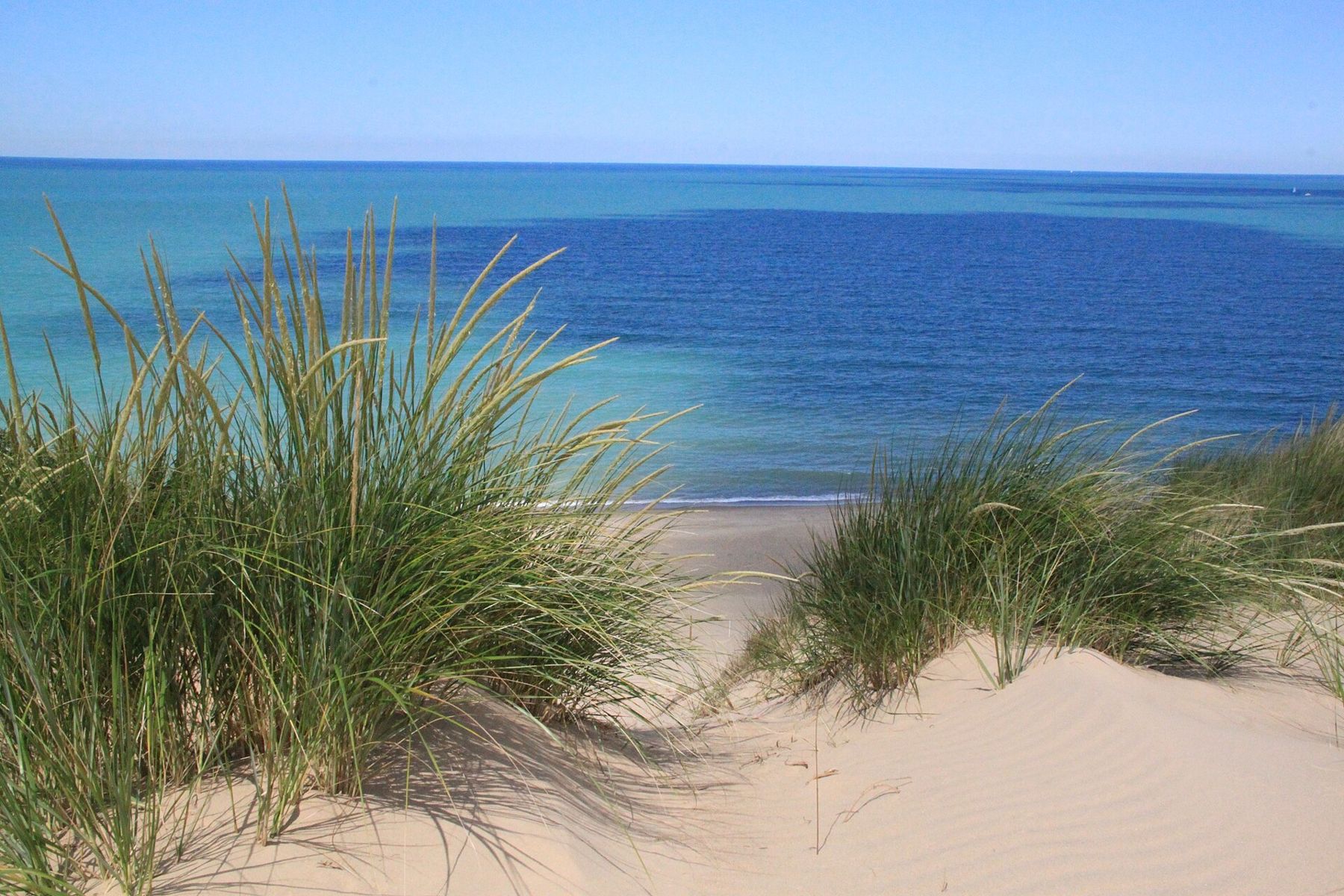
Along the southern tip of Lake Michigan, between the steel towns and the commuter suburbs, lies a strip of huge sand dunes, wetlands, woods and beach. Most of it is Indiana Dunes National Park, and in the middle sits Indiana Dunes State Park, run by the state. Together they make a two-day trip that works for small children and school-age ones alike: climb a dune in the morning, swim in the lake in the afternoon, and watch a storm roll in over the water in the evening.
It is a good first national park for young children. Distances are short, the beaches are wide, and there is no need for long drives between sights. Families coming from Chicago do not even need a car.
Getting there and getting around
The South Shore Line, a commuter railway, runs from downtown Chicago along the shore into northwest Indiana, with stops close to parts of the national park, including Dune Park and Beverly Shores. Children usually love the trip itself, with the industrial skyline giving way to trees and glimpses of the lake. Check the timetable before you go, especially at weekends, and remember that the walk from a station to the beach can be long for small legs with bags; plan for it or pack light.
A car gives you more freedom to move between beaches, trailheads and the visitor centre, and makes it easier to leave quickly when a storm comes. The Indiana Dunes Visitor Center, near the main highway junction at Porter, is a sensible first stop for maps, advice, current trail closures and a Junior Ranger booklet.
Day one: the state park and the big climb
Indiana Dunes State Park has a long swimming beach, lifeguarded at times in season, a pavilion, and trails that run straight up into the tallest dunes on this shoreline. The best-known outing is the Three Dune Challenge, a marked route over Mount Jackson, Mount Holden and Mount Tom, the three highest dunes in the park. It is short in distance but steep in soft sand, and it makes six- to nine-year-olds feel like mountaineers. Count it as a real effort, with water, sunhats and rests, and start in the cooler morning.
For three- to five-year-olds, a shorter climb up the first dune is plenty. Walking up sand is harder than it looks, and small children tire fast. Running down is the reward. Keep to marked trails; the plants that hold the dunes together are fragile, and walking on them speeds erosion.
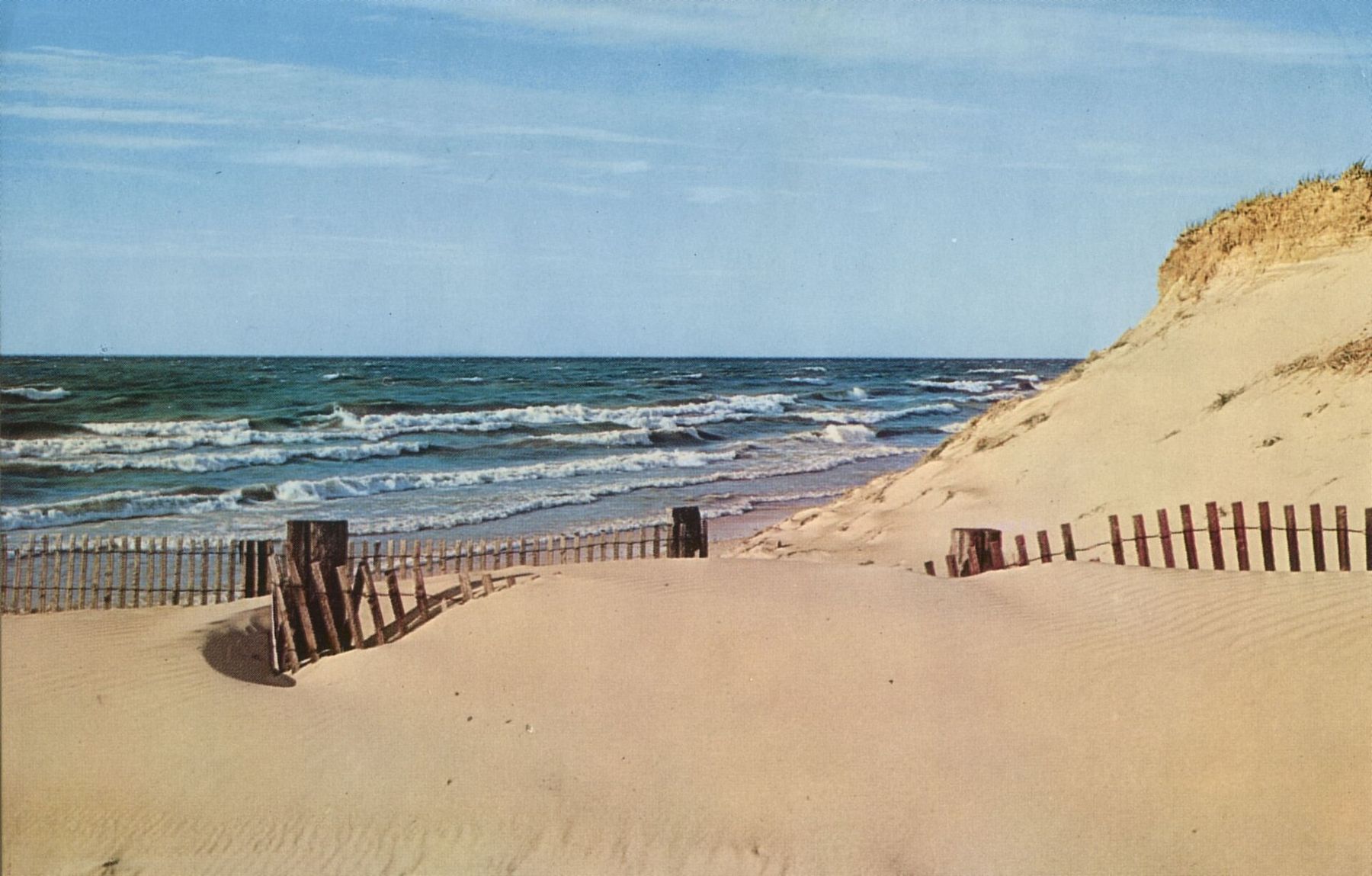
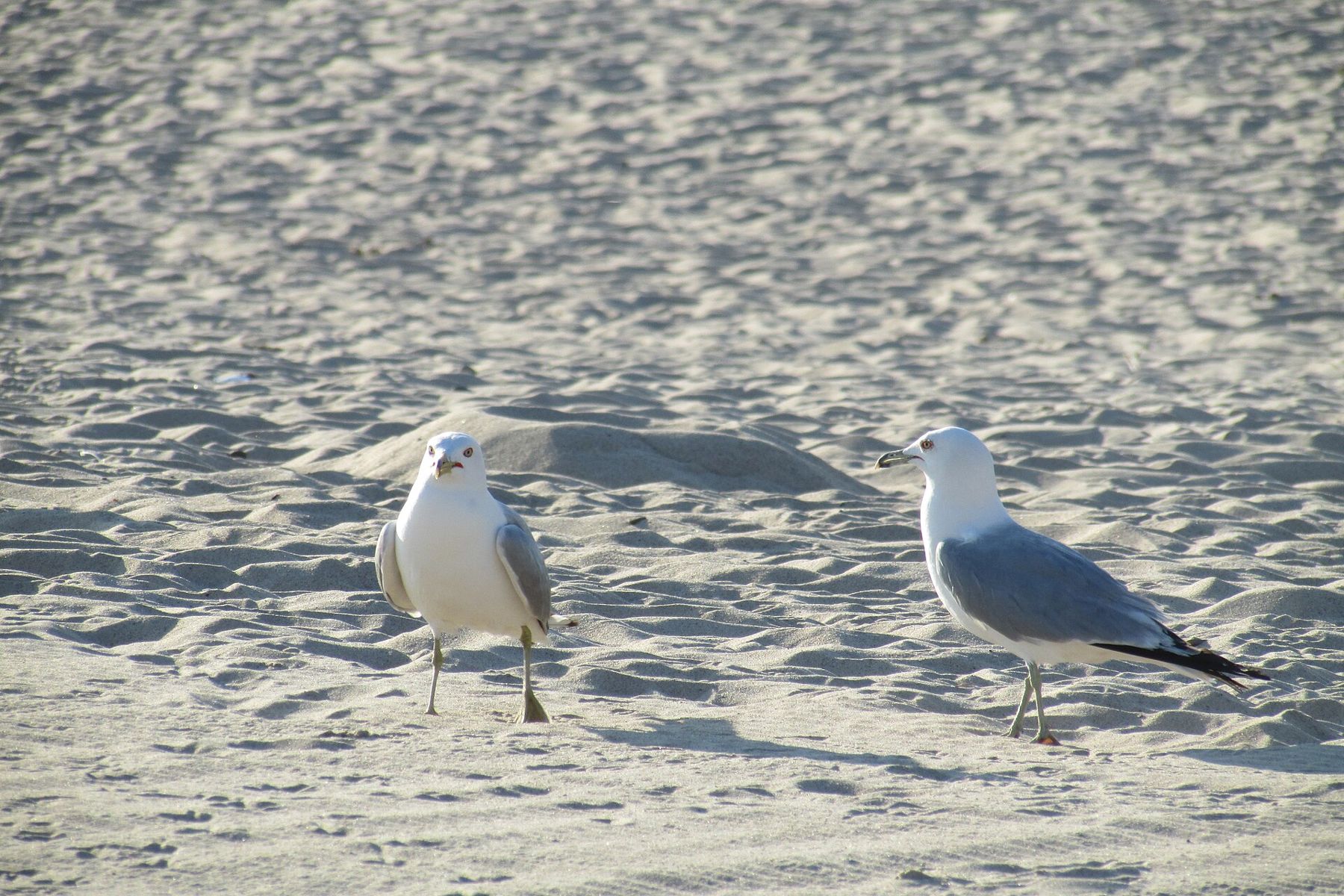
Spend the afternoon on the beach below. Lake Michigan is fresh water, so there is no salt in the eyes, and on calm days the shallows are gentle. Watch for gulls, which have learned that picnics mean food.
Day two: West Beach, Mount Baldy and the farm
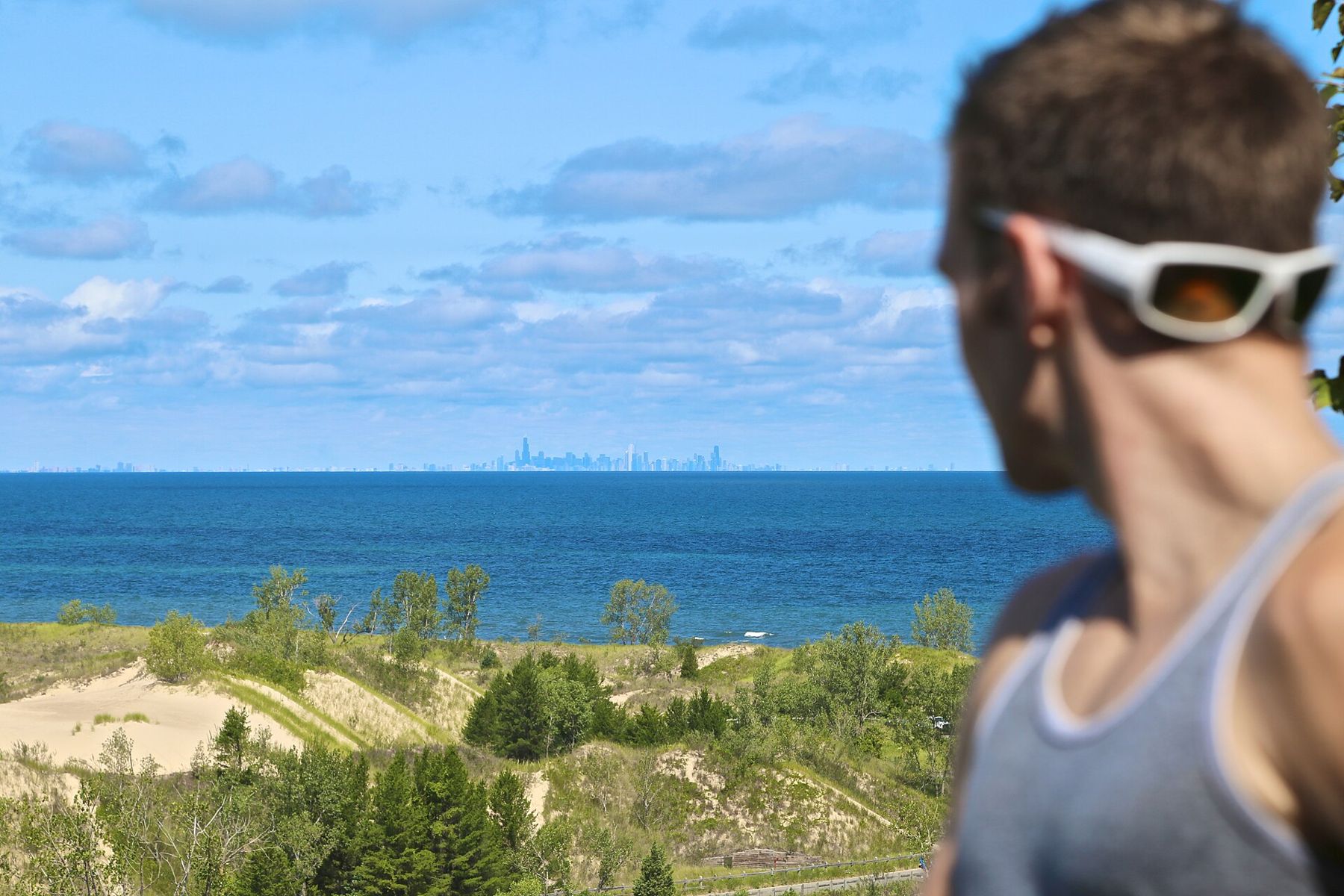
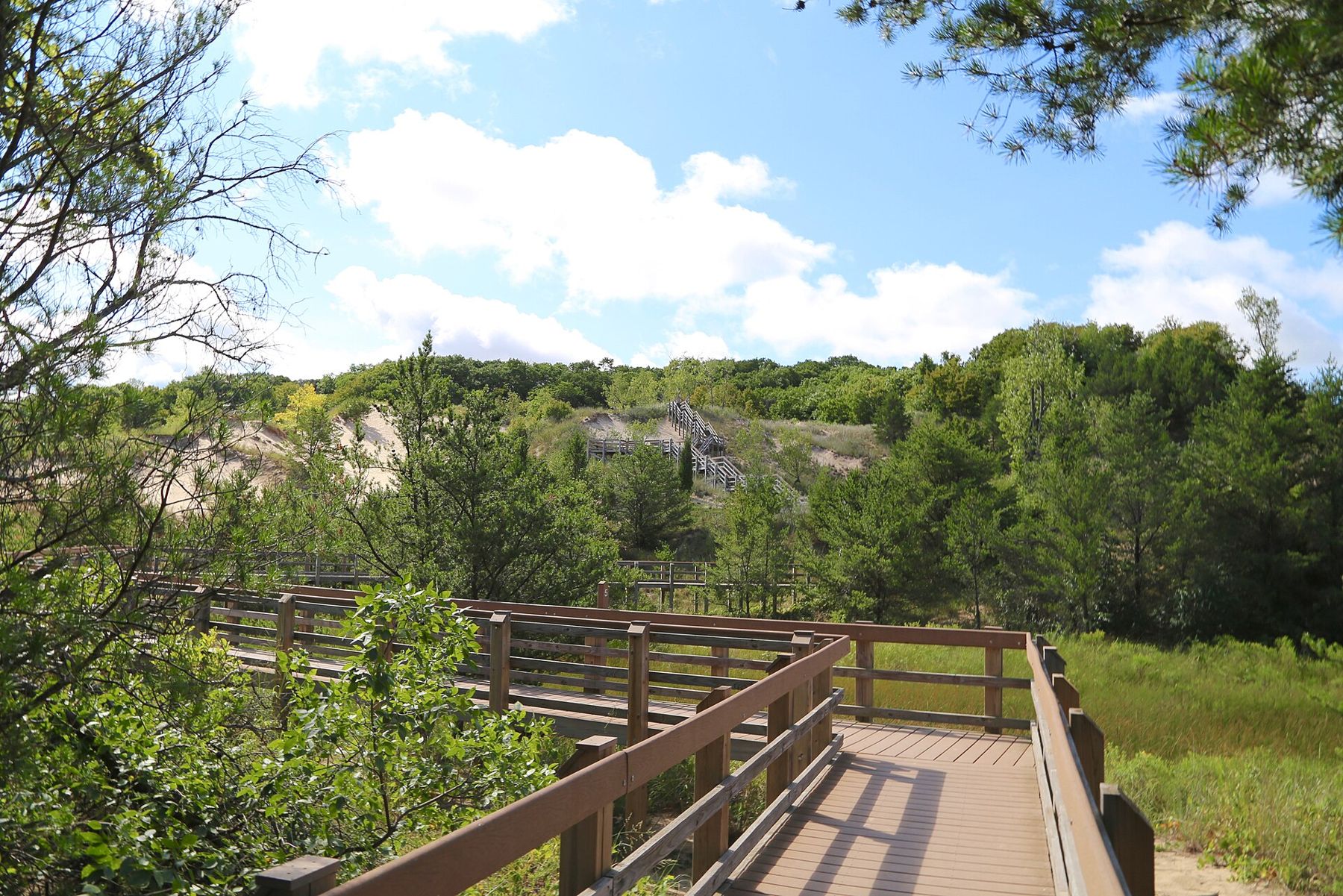
West Beach, at the western end of the national park, has a swimming beach, with lifeguards on duty at times in summer, and one of the best walks in the area for families. The Dune Succession Trail climbs a long boardwalk and a lot of stairs from bare beach to grassy dune to woods, showing how the landscape changes as plants take hold. The stairs are steep and many; it is a good outing for big kids and a carry-and-coax job with preschoolers. On a clear day, the view from the top reaches across the lake to the Chicago skyline.
 also in the binderChicago in three days with six- to nine-year-olds6-9
Mount Baldy, further east, is a moving dune that drifts inland a little each year, slowly burying the trees in its way. The beach below it is open, but climbing to the summit is only allowed on ranger-led walks, because people have been hurt by hidden holes left by buried trees. Ask at the visitor centre about guided walks; children find the idea of a sand hill that swallows forests fascinating.
For a change from sand, the Bailly Homestead and Chellberg Farm area of the national park has a farmhouse, a barn and short wooded trails, and is a gentle stop for preschoolers. The Paul H. Douglas Center for Environmental Education in Miller Woods has trails, exhibits and nature activities that suit younger children.
Swimming, rip currents and summer storms
Lake Michigan looks calm from the shore, but it is a large and powerful body of water. When the wind blows hard, waves build quickly and rip currents and structural currents along piers can pull swimmers away from the beach. Swim at beaches with lifeguards on duty, read the flag or warning boards, stay within arm's reach of children in the water, and stay out when warnings are posted. Many families bring a life jacket for weaker swimmers. Water temperatures vary a lot; even in summer, a cold snap can make the lake chilly.
Summer storms build fast over the lake, and the beach is the wrong place to be when they arrive.
Summer storms build fast over the lake, and the beach is the wrong place to be when they arrive. If you hear thunder or see lightning, leave the beach and the open dunes for a car or a solid building and wait it out. Check the forecast each morning and plan the climbs for the clearer hours. Ticks and poison ivy are present in the wooded areas, so stay on the trails and check everyone at the end of the day.
Sand also gets very hot underfoot on sunny afternoons. Bring shoes or water shoes for small children, plenty of drinking water and shade for the beach.
Where the hard moments come, and how to soften them
The difficult parts of this trip are predictable. Climbing sand is tiring, so a child who started the Three Dune Challenge with enthusiasm may want to be carried halfway. Agree in advance that you will turn back when someone is tired. Summer weekends are busy, and some beach car parks fill early; arrive in the morning or come on a weekday. The walk from car park to water can be long with a cooler, a stroller and bags, and strollers struggle in soft sand, so a wagon with wide wheels or a carrier works better.
Some beaches and the state park charge an entrance or parking fee, and rules on food, alcohol and dogs differ between the state and national parks, so check before you go. For more ideas on travelling with younger ones by car, see our guide to road trips with preschoolers; for older children, our planning guide for big kids has tips on giving them jobs that keep them engaged.
If you only have one day
Take an early train or drive to the state park and climb at least the first dune of the Three Dune Challenge while it is cool. Swim and picnic on the lifeguarded beach through the middle of the day, then drive to West Beach for the Dune Succession Trail and the view of Chicago in the late afternoon light. Keep one eye on the sky all day.
If the weather turns, the visitor centre's exhibits and a slow drive along the lakeshore roads make a fair rainy-day plan, and the dunes will still be there for a sunny morning on a return visit.