Walt Disney World is enormous, and with children under six the size is the whole difficulty. Four theme parks, two water parks, lakes, a monorail, buses and a gondola line spread over land larger than many cities. You will not see all of it, and with a baby or a preschooler you should not try. The plan that works is small and repetitive: one park each morning, a long rest in the middle of the day, and one late evening when everyone has slept enough to enjoy it.
Four days is a good length for this age. It gives you two mornings at the park built most closely around small children, one at the park with the animals, and one at the park with the most space to walk and the fewest scary rides. It also leaves room for the day that goes wrong, because one always does.
Four mornings, four parks
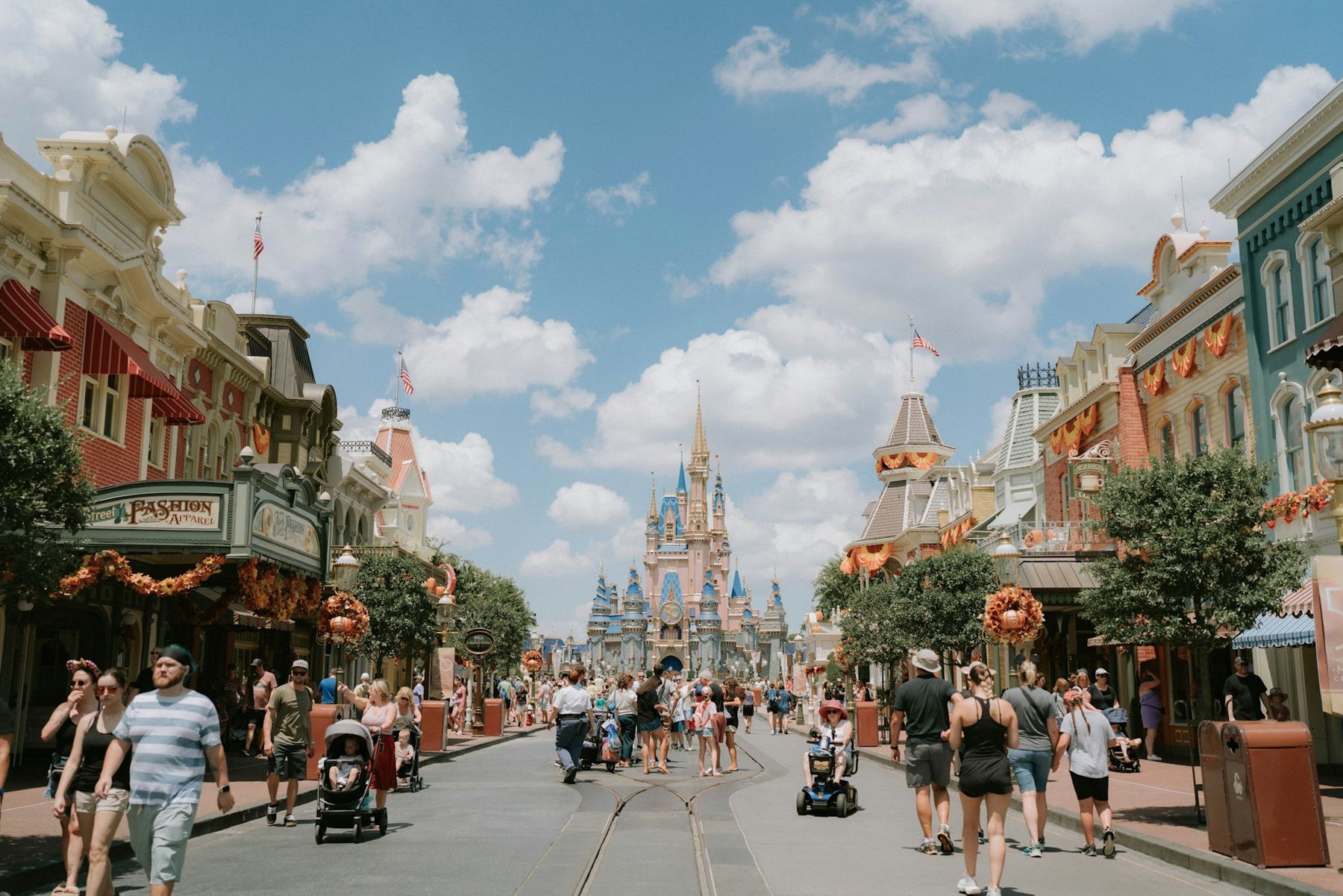
Day one: Magic Kingdom. Arrive before the gates open. The first ninety minutes are the calmest of the day, the air is still cool and the queues are at their shortest. Walk straight up Main Street, past the castle, into Fantasyland. Most of the rides with no height requirement are here: slow dark rides through storybook scenes, a carousel, gentle spinning rides and a long boat ride past singing dolls from around the world. Do two or three of those, then stop. A preschooler who has had three good rides and an ice cream before ten in the morning has had a great day already.
Day two: Animal Kingdom. This park opens early in the morning for good reason: the animals are most active before the heat sets in. The open-vehicle safari is at its best first thing, when you are more likely to see animals moving rather than sleeping in the shade. After that, the walking trails with their viewing windows suit toddlers well, because there is always something to point at and no ride to queue for. The park is planted with deep shade, which makes it easier on babies than the open plazas elsewhere.
Day three: Epcot. Epcot has fewer rides for small children, but it has space. The paths are wide, strollers move easily, and the lagoon in the middle gives a long, flat walk past buildings from other countries. The large saltwater aquarium in the front half of the park, with fish, rays and sometimes manatees behind glass, holds the attention of babies and preschoolers for longer than most rides. Fountains that leap from one bed to another near the front of the park are a reliable hit with toddlers, who will chase them for twenty minutes.
Day four: back to Magic Kingdom. Hollywood Studios has a few gentle shows and rides, but much of it is built for older children and teenagers. For under-sixes, a second Magic Kingdom morning is usually better value: repeat the favourites from day one, ride the train around the park, and save energy for the evening.
Getting around with a stroller and a baby
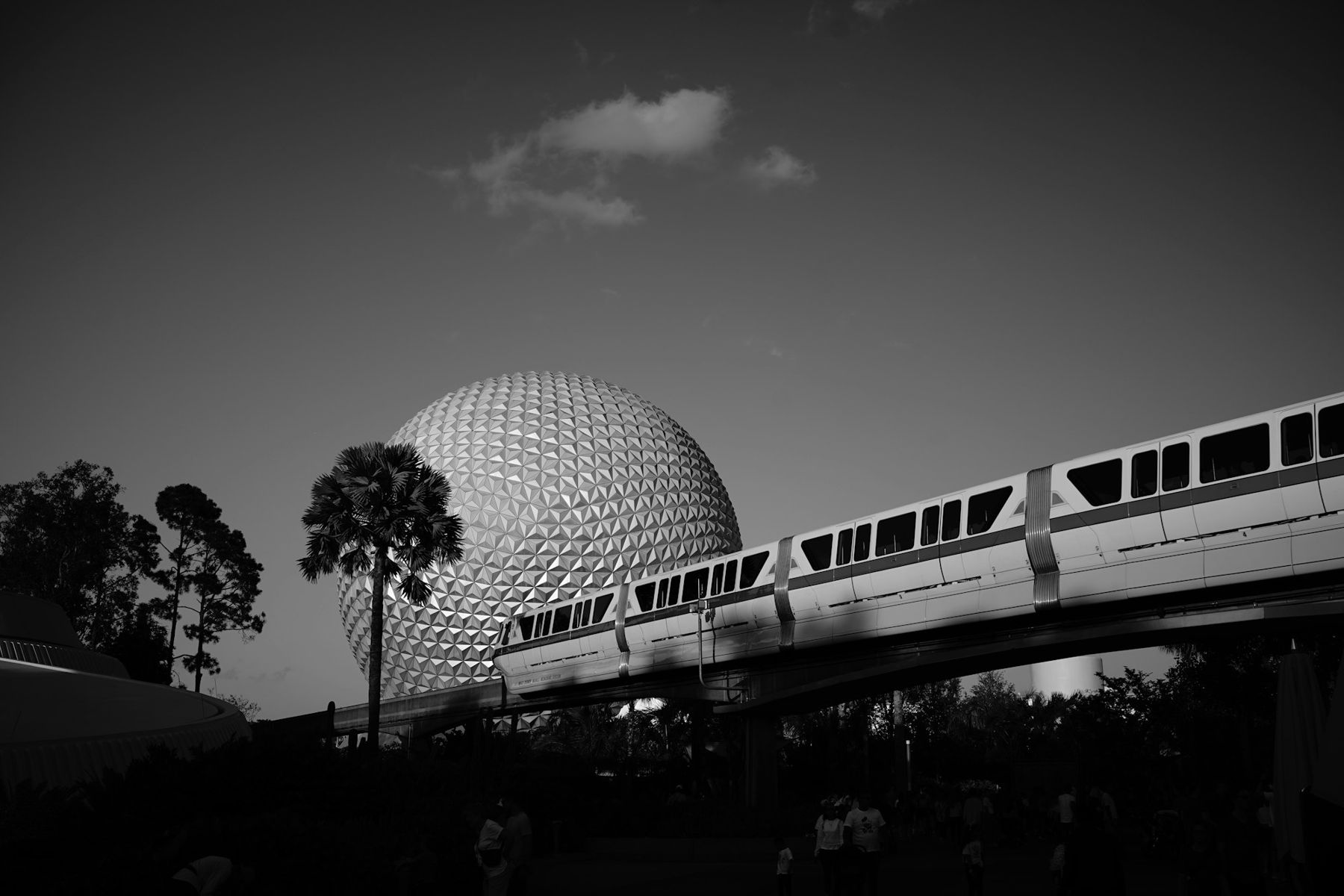
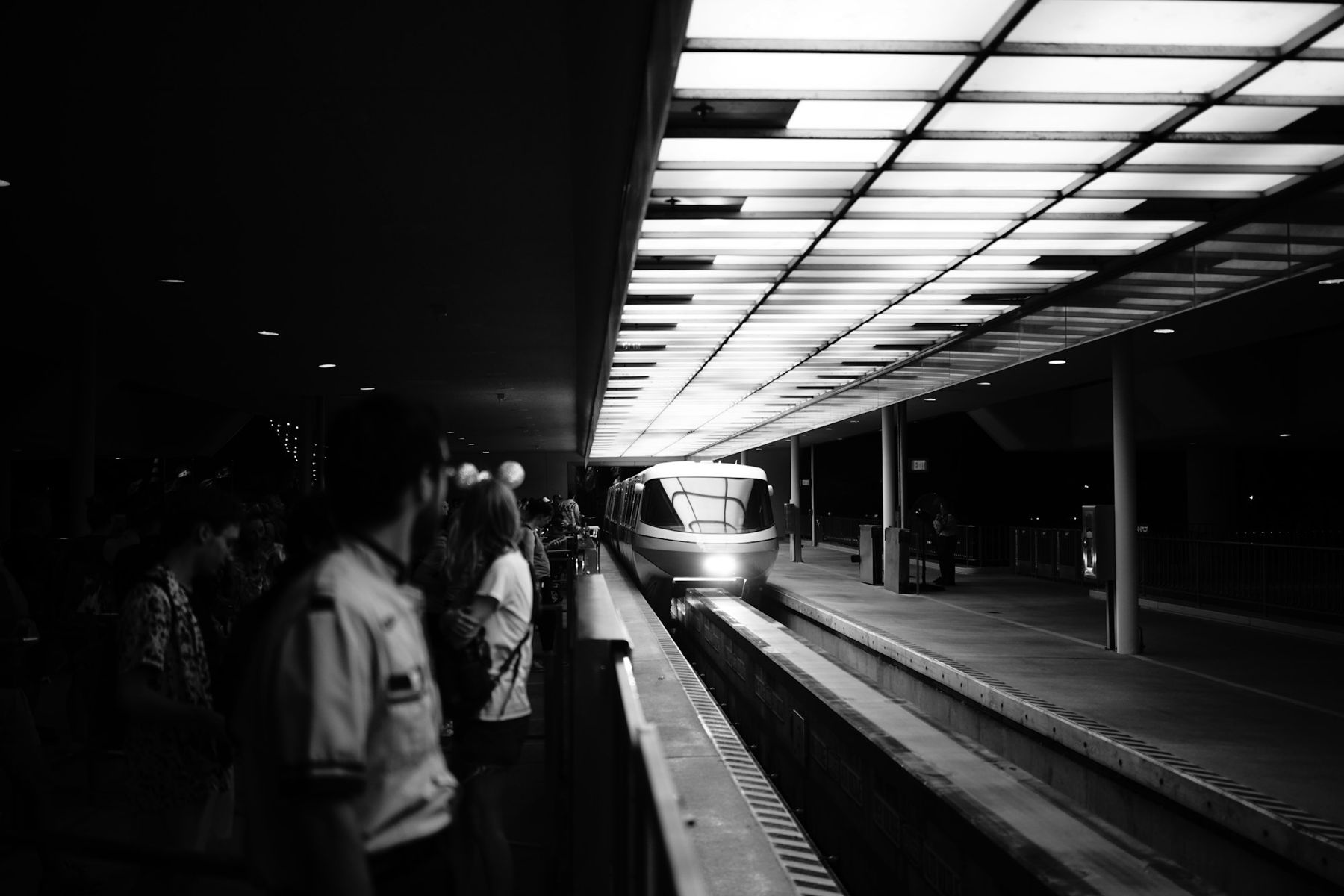
The resort's own transport is free and frequent, but it has rules that matter with small children. Buses usually ask you to fold strollers before boarding, so a light stroller you can collapse with one hand saves a great deal of strain at the end of a hot day. The monorail and the boats are easier to manage. The monorail links Magic Kingdom with Epcot and with several resort hotels around the lake, and a ride on it is often the highlight of the day for a train-mad three-year-old.
Each park rents strollers, and many families with preschoolers rent one even if their child has outgrown a stroller at home, because the walking adds up fast. Stroller parking areas sit outside most rides and shows. Staff move strollers around to keep paths clear, so tie a ribbon or a bright tag to yours and take valuables with you.
Every park has a baby care centre, usually near the first aid station. Inside you will find changing tables, quiet rooms for feeding, a small kitchen area and a shop for nappies, formula and other basics. They are calm and cool, and worth finding on your first morning even if you think you will not need them. If you are bringing a car seat or renting a car in Orlando, read the advice on car seats in our guide to flying with a baby before you pack.
The midday break
The midday break is not a luxury; it is the plan. Central Florida is hot and humid from late spring through early autumn, and on many summer afternoons a thunderstorm rolls in, empties the paths and closes outdoor rides while lightning is close. Small children feel the heat faster than adults, and an overtired preschooler at three in the afternoon can undo a good morning.
Leave the park between noon and one, go back to your room, let the baby nap and let the older child swim or sleep. Return at four or five, when the light is softer and some day visitors are leaving. Staying close to the park you are visiting makes this far easier. If you are staying further out, a long rest in the shade, or in the cool of the baby care centre, is the next best thing.
In the heat, keep babies in shade, keep everyone drinking and dress small children in light, loose clothes with a hat. Ask your doctor or pharmacist about sunscreen for babies under six months. Quick-service counters will give you a cup of water if you ask, and refillable bottles save money and plastic.
The midday break is not a luxury; it is the plan.
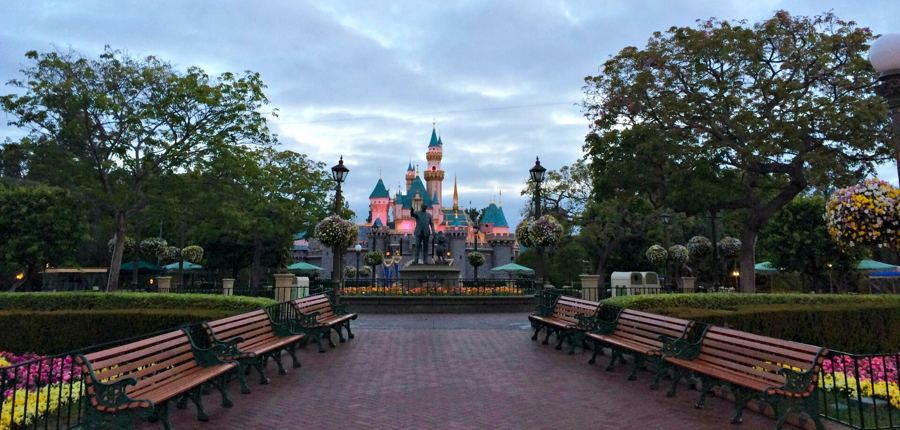 also in the binderA first visit to Disneyland in Anaheim3-56-9
Rides, rules and the hard moments
Many rides have a minimum height. The limits change and are listed by the parks, so check them before you go and measure your child at home in shoes, so there are no tears at the entrance. Rider switch lets one adult ride while the other waits with a child who is too small or too nervous, then swap without queueing again. Ask for it at the entrance of the ride.
The hard moments at this age are predictable. The first one is the morning queue at the gates, when children are excited and bored at once; bring a snack and something to look at. The second is late morning, when hunger arrives suddenly; eat early, before the lunch crowds. The third is the walk out of the park at night, when thousands of people leave at once and every child wants to be carried.
Some children love the costumed characters; others are frightened of them, especially toddlers. Watch from a distance first and let your child decide. Dark rides can also scare a preschooler who has never been in one, so start with the slowest and brightest.
Agree a plan for getting lost before you go in. Write your phone number on a wristband or on a label inside your child's clothing, show them what staff name tags look like, and tell them to stay where they are and ask a member of staff for help. Families who have done longer drives with preschoolers will recognise the pattern from our guide to road trips with three- to five-year-olds: snacks, rest and short stretches beat ambition every time.
The one evening worth staying up for
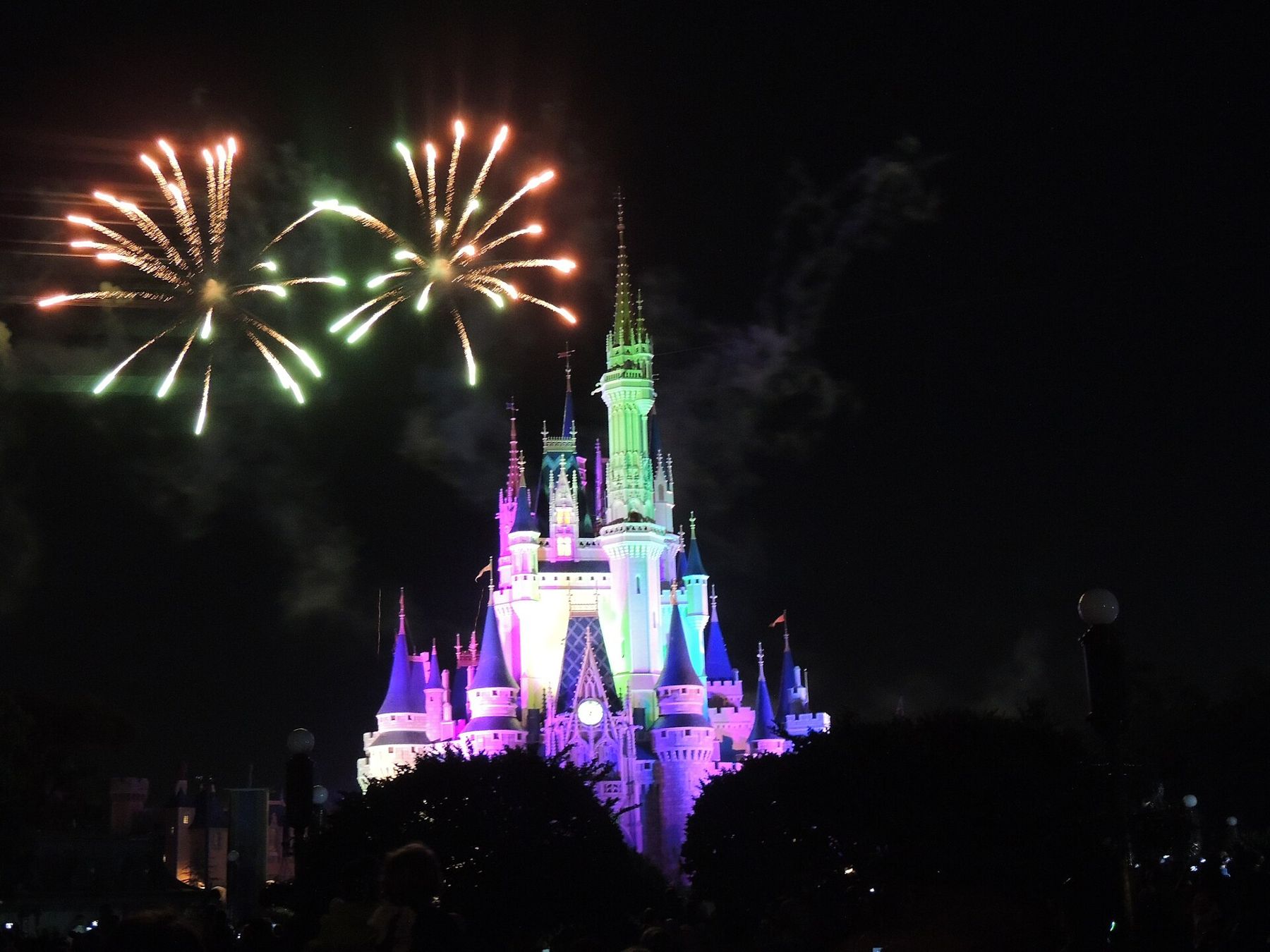
The fireworks above the castle at Magic Kingdom are the evening most families remember. They are also loud, crowded and late for a toddler, so plan around that. Give your child a long nap that afternoon. Bring ear defenders for babies and noise-sensitive children. Find a spot well before the show, and consider watching from further back on Main Street or near the hub, where you can slip away if the noise is too much.
When the show ends, do not join the crush for the exit. Stay in the park for half an hour, let the crowd thin and let the children ride one more slow ride if it is still open. The monorail and boat queues shrink quickly once the first wave has gone.
If you only have one day
Choose Magic Kingdom. Arrive before opening, head for Fantasyland, ride the gentle rides while queues are short and have an early lunch. Spend the hottest part of the day in shade, at the baby care centre or on the train that circles the park. If your child sleeps well in a stroller, stay for the evening; if not, leave before dinner while everyone is still happy. A single good day beats a long, tearful one.
If this trip goes well, the West Coast resort is smaller and easier to walk, and pairs well with the gentle beaches in our guide to Anaheim with a baby. For a calmer Californian city with mild weather all year, see San Diego with preschoolers.