Three- to five-year-olds are good company in a car. They notice trucks, cows, bridges and water towers, they ask questions and they still nap. They are also bad at waiting, cannot read a map and need the toilet with about two minutes' warning. A road trip with them works when the day is planned around those facts rather than around the miles.
Shorter days than you think
The single most useful rule is to drive less each day than an adult trip would. Three to four hours of driving, split into two or three legs, is a comfortable day for most preschoolers. Five or six hours is possible once or twice, but not every day.
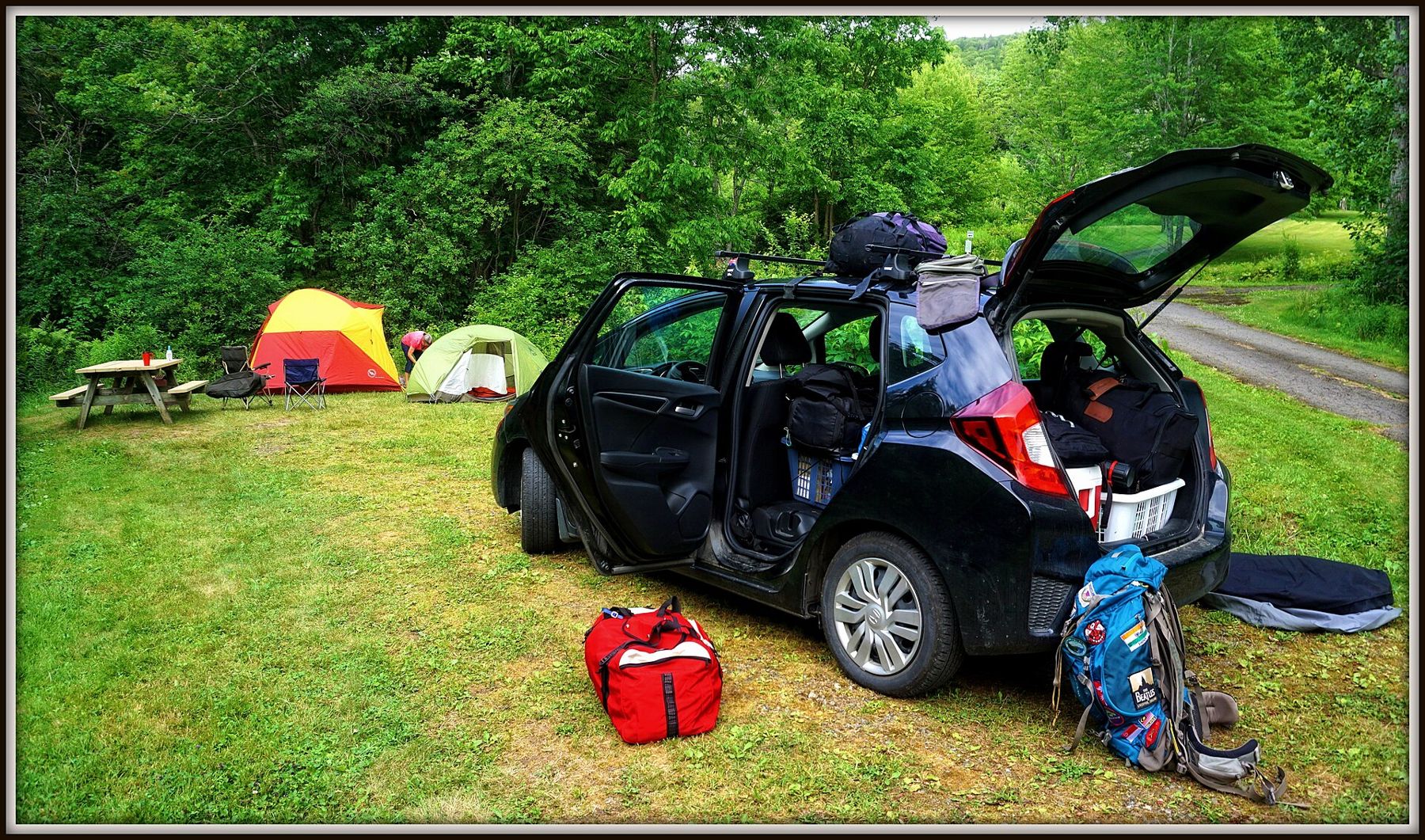
Choose the base before the route. Two or three nights in one place, with day trips from there, means less packing and fewer evenings in a new room. A cabin, a campsite or a rental with a garden lets children run off energy at the end of the day.
Car seats and the rules on the road
Car seat and booster rules are set by each state, and they differ by age, weight and height. Abroad the rules are different again. Before you go, look up the current rules for every state or country you will drive through, and follow the strictest one. Your car seat's own manual matters just as much: it tells you when your child has outgrown that seat.
Children this age are safest in the back seat, and many will still be in a harnessed seat rather than a booster. If you are hiring a car, decide whether to bring your own seat. Hire company seats vary in age and condition, and you may need to fit one yourself in a dark car park. A seat you know is usually worth the effort of carrying.
Fit the seat before the trip and check it again after any long stop. A seat that has loosened over a week of loading and unloading is easy to miss.
Stops every two hours, and real ones
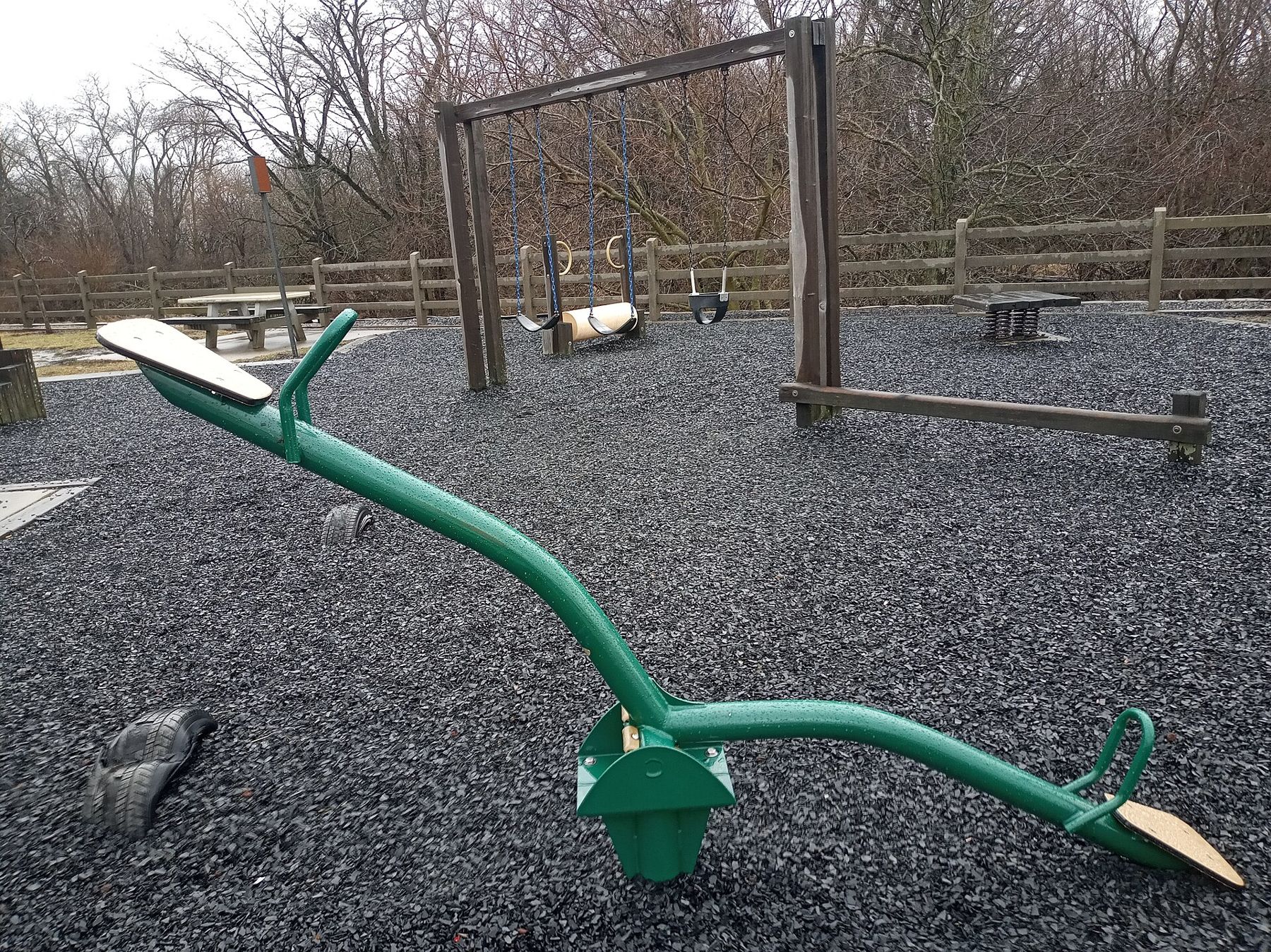
A preschooler needs to get out of the car about every two hours, and a stop works best when it lasts at least twenty minutes. A quick toilet stop does not reset a small child. Running, climbing and swinging do.
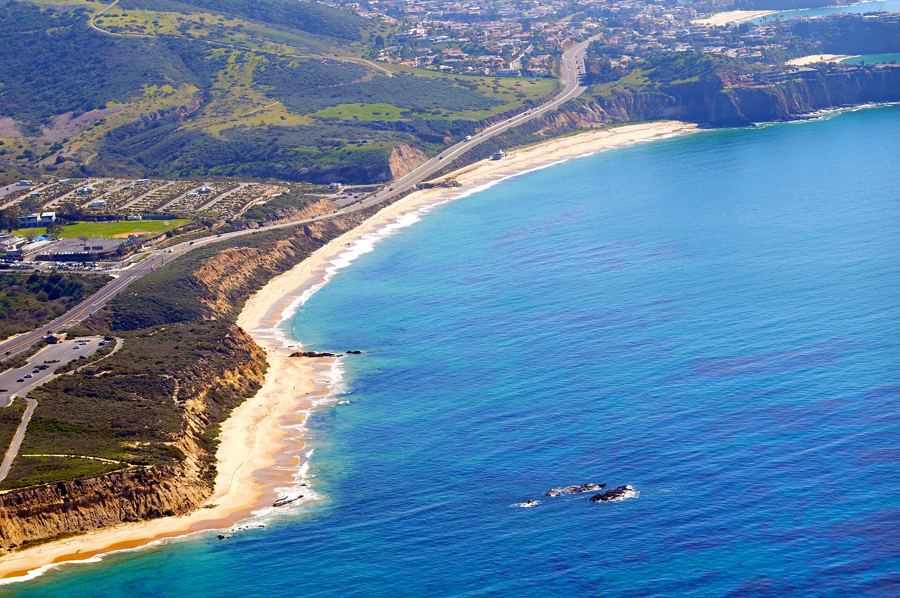
Plan stops around something to do. Many highway rest areas have a small playground, and towns along the way have parks, riverside paths and library lawns. A beach, a lake shore or a short trail turns a stop into part of the trip. Use a map before you leave to pick one for each leg, so you are not searching while a child cries in the back.
 also in the binderFlying with a baby, from booking to the first night away0-2
Toilet stops will come at other times too. Keep a travel potty or a plan for roadside emergencies, and ask at every stop, even if the answer was no ten minutes ago.
Motion sickness
Some children are carsick at this age and grow out of it later. A few habits help: a view out of the front or side window, fresh air from a slightly open window, a light snack rather than a big meal before driving and no books or close-up screens for a child who is prone to it. Smooth driving on bends helps more than most adults expect.
Keep a sick bag, wipes, a towel and a full change of clothes where you can reach them without unpacking the boot. Stop as soon as a child says they feel unwell. For any medicine for motion sickness, ask your doctor or pharmacist first; many are not suitable for young children.
Snacks, water and the meal plan
Hunger causes many of the bad moments on a long drive. Keep snacks and water in a bag next to the front passenger, not in the boot, and hand them out at regular times rather than on demand. Food that is not sticky, crumbly or easy to choke on is best for a moving car. Grapes and round foods should be cut up for this age.
Eat proper meals at a table outside the car whenever you can. A picnic at a park stop is cheaper than a restaurant and gives children room to move while they eat.
Screens, games and quiet time
A screen can make a long leg pass, but it works best as one tool among several. Many families keep screens for the last hour of the day, when everyone is tired, and use other things first.
- I-spy with colours rather than letters, which suits non-readers.
- Audiobooks and songs that the whole car can hear.
- A bag of small new toys, handed out one at a time.
- Counting things: red cars, horses, bridges, trains.
- Quiet time with a soft toy, timed to fall at the usual nap.
If you use screens, bring headphones sized for small heads and keep the volume low. Download everything before you leave; mobile signal drops in the places road trips go.
Heat, sun and the parked car
A car heats up fast in the sun, even on a mild day. Never leave a child in a parked car, even for a minute. Use window shades on the back windows, check that buckles and seat covers are not hot before you strap a child in, and give water often on hot days.
Where to go first
A first road trip with preschoolers is easier when the driving is short and the place at the end is simple. A weekend at Indiana Dunes combines a lake beach and big sand hills within reach of Chicago. Door County is built for slow days, with short drives between beaches, parks and lighthouses. Further west, San Diego has mild weather all year, and most of its sights are a short drive apart.
Start with a trip of a few days and a short drive each way. Leave early on the first morning, while children are fresh, and aim to arrive by mid-afternoon so there is time to explore before dinner. Pack the bag for the first night separately, so nobody unloads the whole car in the dark. If that first trip goes well, the next one can go further.