Oahu is easier with a baby than its distance suggests. Once you have landed, the island is compact, the roads are good, and there are beaches with sheltered, shallow water where a baby can sit in the sea. The hard parts are the flight, the time change and the sun, and each of them can be planned for. Six days gives you time to recover from the journey and still have most of a week of slow, pleasant beach days.
The flight and the time change
From the mainland the flight is long, and from the East Coast it usually means a connection. Hawaii does not observe daylight saving time, so the difference from the mainland changes during the year; it is several hours behind the West Coast and more behind the East. For a baby, that means one thing: on the first few days, they will wake very early.
Lean into it rather than fight it. Plan your outings for first light, when the beaches are quiet and the sun is gentle, and treat the late morning as nap time. By the third or fourth day, most babies have shifted closer to local time, helped by plenty of daylight and fresh air. Coming home is usually harder, so allow a few quiet days after you return.
It also helps to choose flights with care. A daytime flight that lands in the afternoon gives you time to reach your base, eat and go to bed at something like a normal hour, while a late arrival tends to stretch the first night into a long and difficult one. On the plane, try to keep feeds and naps roughly in step with Hawaii time from the second half of the journey.
For the journey itself, see the guide to flying with a baby, which covers feeding on take-off and landing, bassinet seats and what to carry on.
Where to base yourself
Most visitors stay in Waikiki, on the south shore close to Honolulu, or at Ko Olina, on the drier west side of the island. Both work with a baby, and the choice is really about pace.
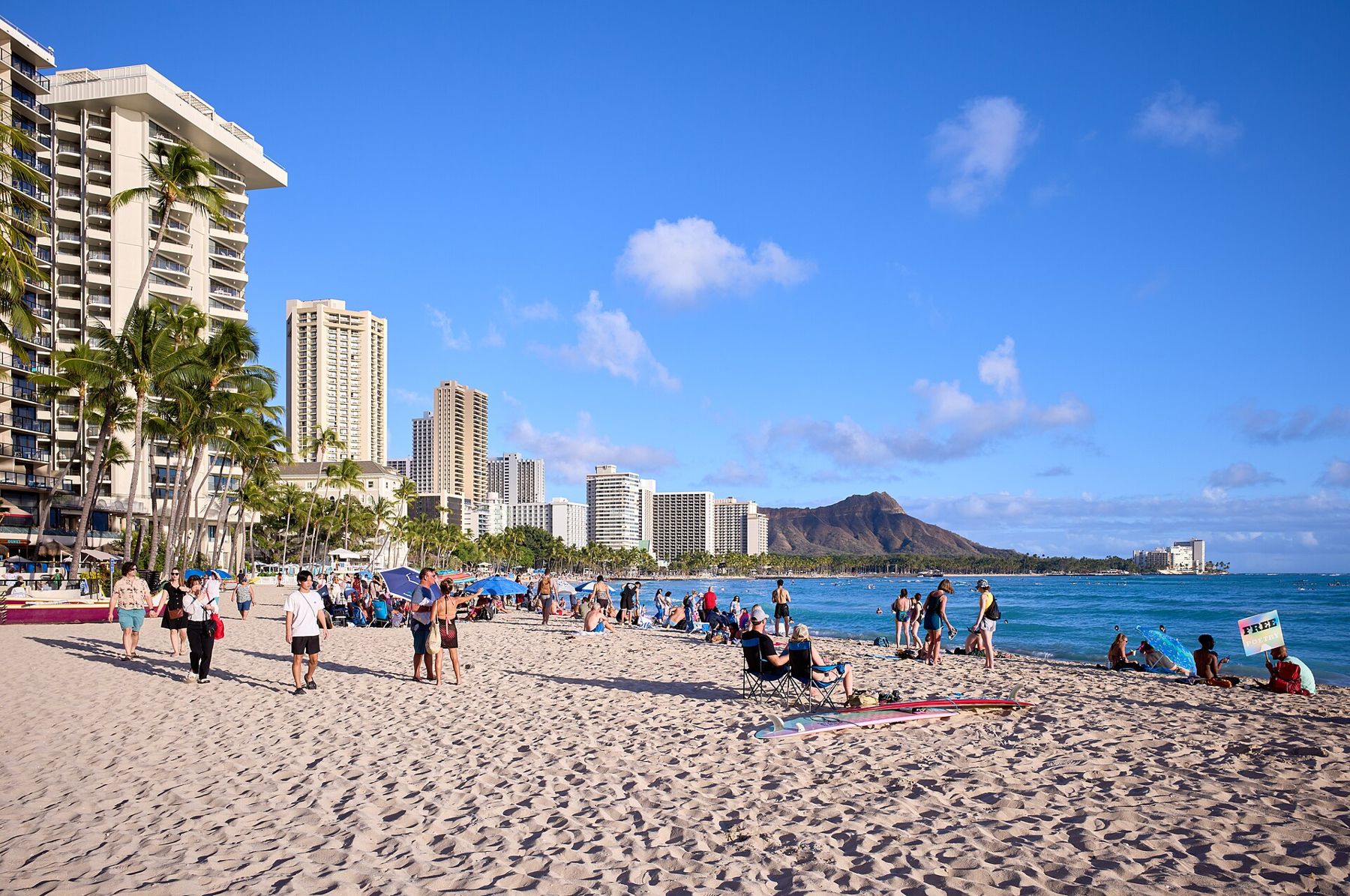
Waikiki is busy and built up, with everything close by. Its long beach has stretches protected by sea walls and breakwaters, especially towards the Diamond Head end at Kuhio Beach, where the water inside the walls is calm and shallow. Kapiolani Park, the Honolulu Zoo and the Waikiki Aquarium are all within walking distance, which suits short outings with a stroller.
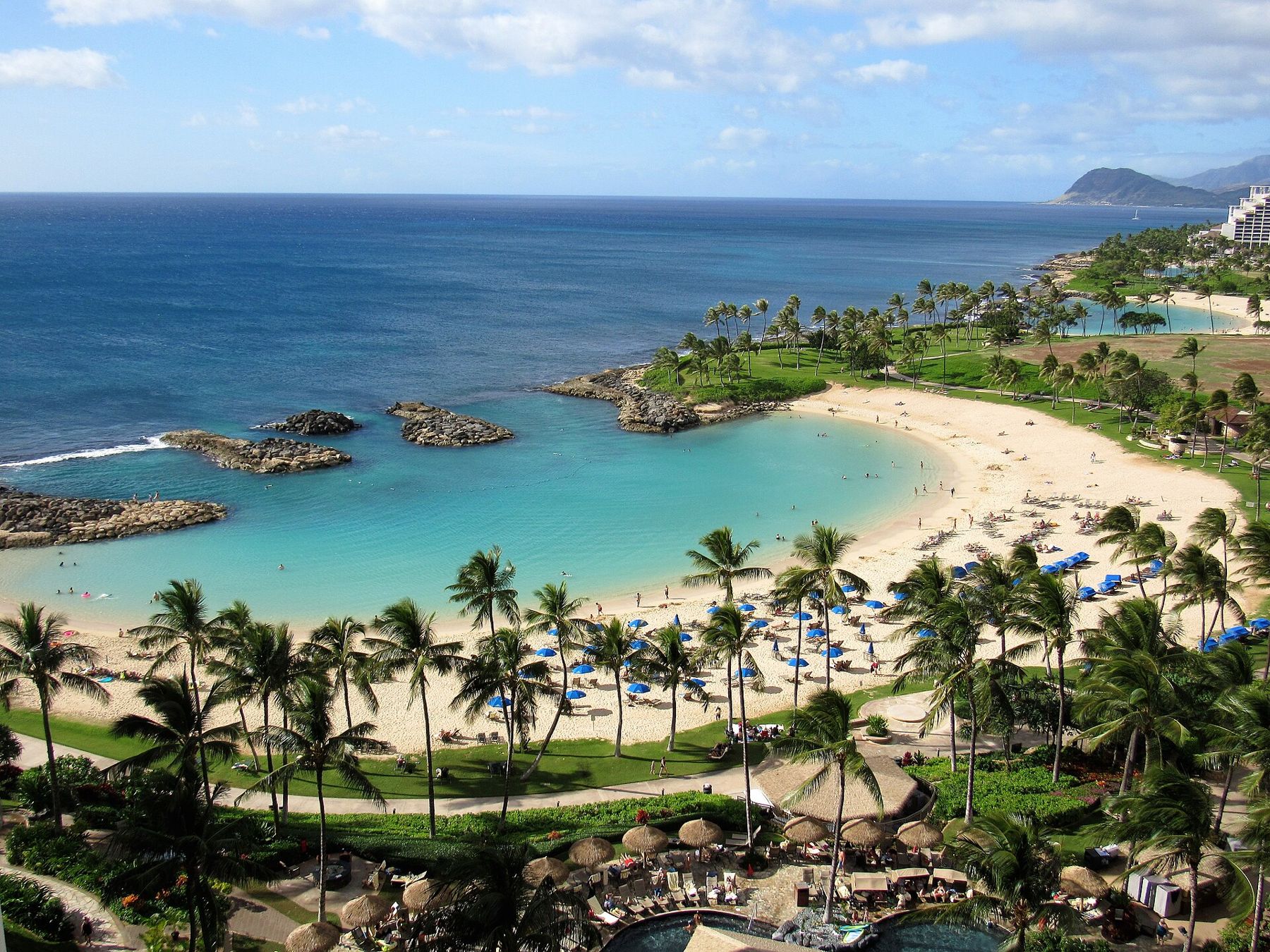
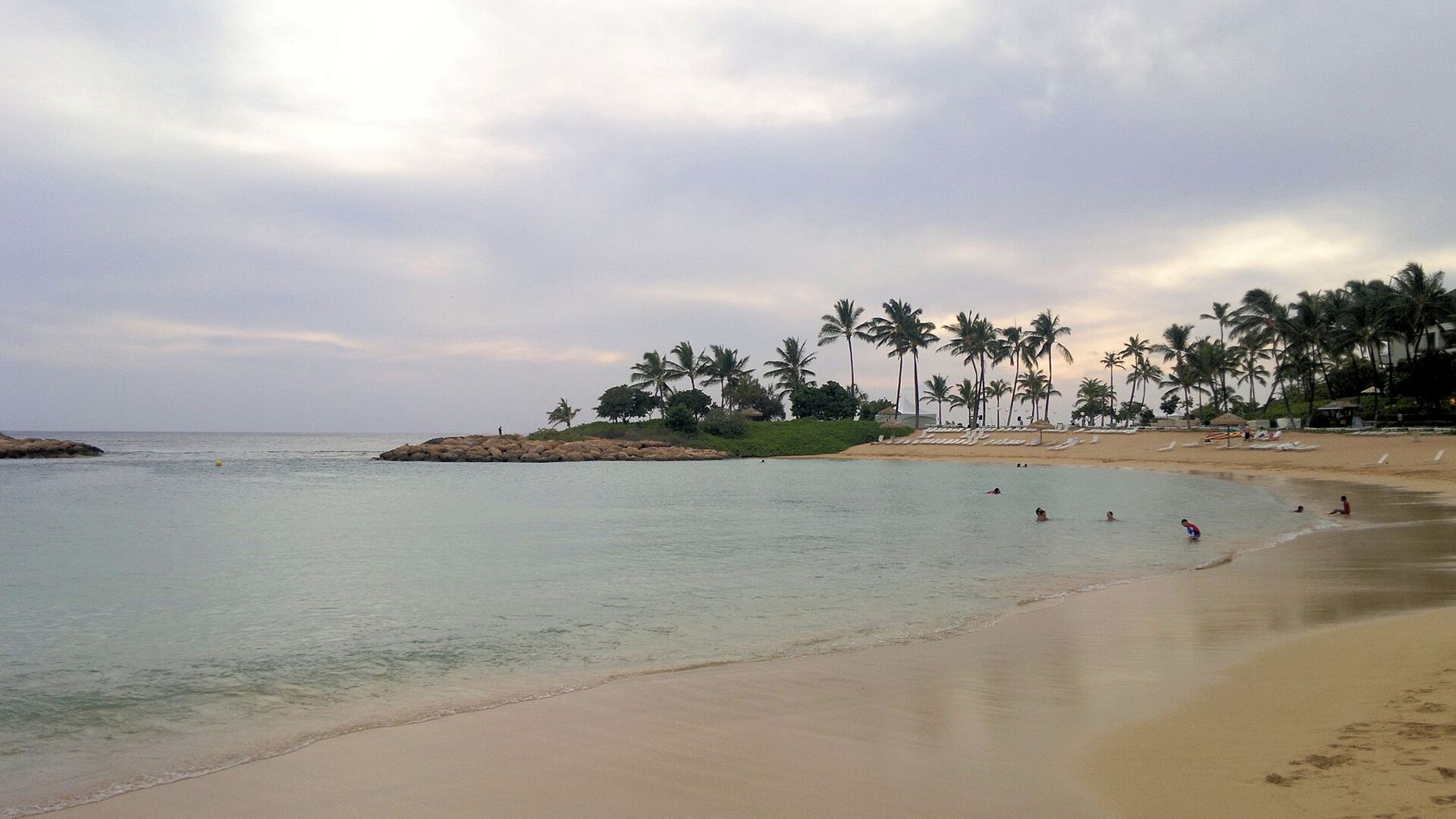
Ko Olina is quieter and slower. Its four man-made lagoons are ringed by rock breakwaters, which keep the water inside them calm and gently sloping, about as close to a bath as the ocean gets. The area is mostly resorts, but the lagoons and the paths between them are open to the public, with limited public parking that fills early. The west side is usually sunnier and drier than the rest of the island.
 also in the binderA slow week in Door County with a baby and a preschooler0-23-5
Sun on small skin
The sun in Hawaii is strong all year, and babies burn quickly. The plan is simple: avoid the middle of the day, use shade, and cover up.
- Shade first. A small beach tent or umbrella makes the beach possible at all. Find spots under trees where you can.
- Clothes. A long-sleeved swimsuit and a wide-brimmed hat with a neck flap do more than any lotion.
- Sunscreen. For young babies, ask your doctor or pharmacist what is suitable before you go. Hawaii also restricts some sunscreen ingredients to protect its reefs, so check labels.
- Water and heat. Babies can overheat in the car and on the sand. Feed often, and head inside when they seem flushed or fussy.
The hard parts are the flight, the time change and the sun, and each of them can be planned for.
Short outings around the island
With a baby, think of each day as one outing plus rest. Some of the best:
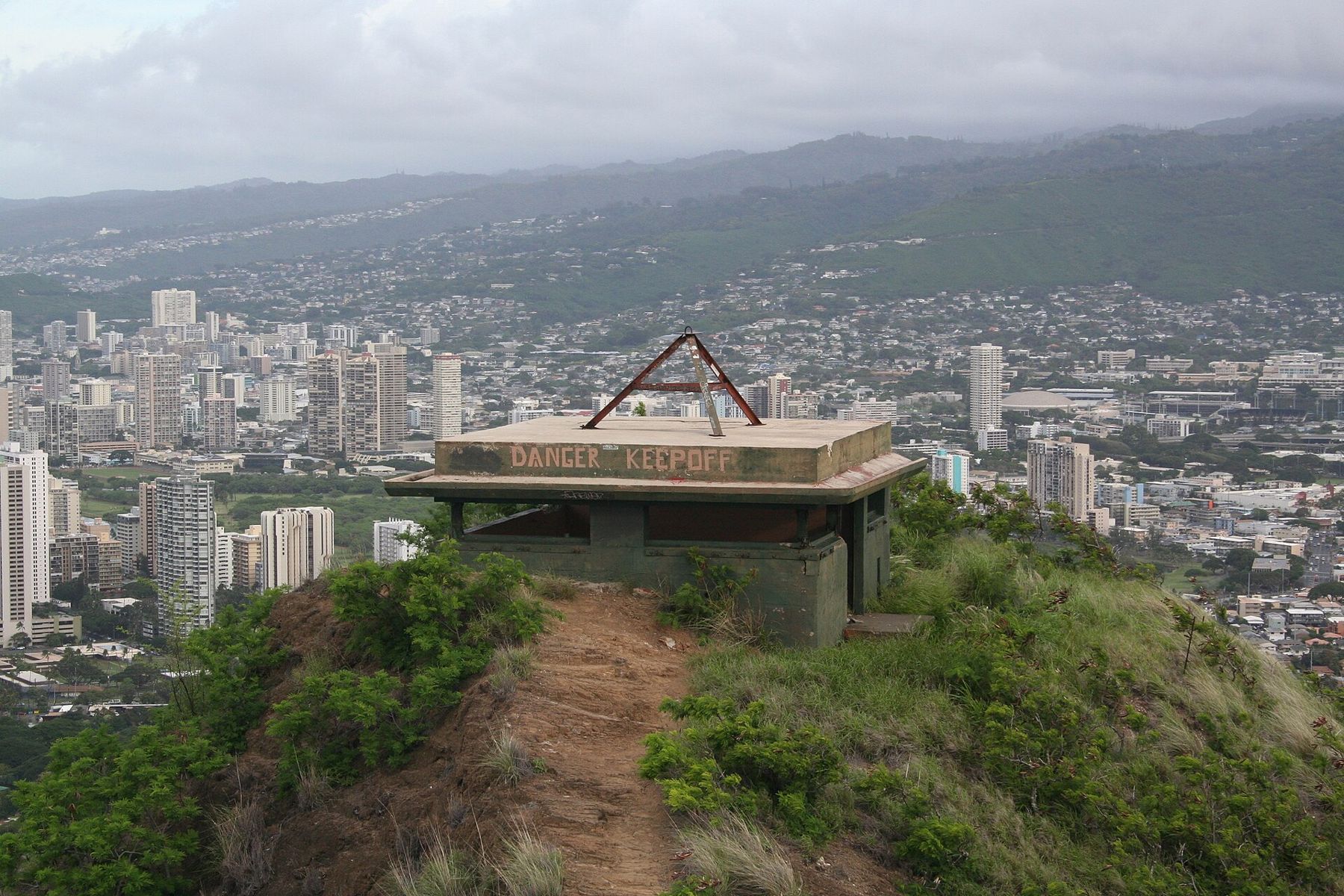
Diamond Head. The volcanic crater behind Waikiki has a trail to the summit with steep sections, stairs and old military bunkers at the top. It is a carrier-only walk and only for an adult who is comfortable with the climb in heat; go at opening. Out-of-state visitors need a reservation, so check the current arrangements before you go. Many families with babies simply enjoy the view of it from the beach.
The North Shore. The North Shore is famous for huge winter surf, which makes it a place for watching, not paddling, from roughly late autumn to early spring. In summer the sea is often much calmer, and the small town of Haleiwa makes a gentle half-day trip, around an hour's drive from Honolulu. Green sea turtles often rest on beaches along this coast; give them plenty of room, as the rules on keeping your distance are strict.
Aquarium and zoo. The Waikiki Aquarium, on the shore at the Diamond Head end of Waikiki, is small and shaded, with reef fish and tanks low enough for a baby on your hip to see. The Honolulu Zoo, across the road beside Kapiolani Park, is a gentle stroller loop for an early morning, with shady paths and plenty of benches for a feed. Both make good outings for a hot day or the first jet-lagged morning, when you want something close by.
Gardens and parks. Kapiolani Park in Waikiki is good for shaded stroller walks, and the windward side, around Kailua, has calm beaches when trade winds are light.
Getting around and the hard moments
A car is useful outside Waikiki, and you will need a car seat. Bring your own or arrange one in advance; check that it fits the car you are given. Honolulu traffic is heavy at commuting times, so time drives for nap windows outside the rush.
Pack less than you think. Swim nappies, a baby sun suit or two, a pop-up tent, a lightweight stroller and a carrier cover most days. Supermarkets on the island stock nappies, formula and baby food, so there is no need to carry a week's supply across the Pacific, though island prices are high and particular brands may be hard to find. A cool bag for drinks and snacks on the beach is worth having.
Rain showers come and go quickly, especially on the windward side and in the hills, and they rarely spoil a whole day. Keep a dry layer in the bag for the car.
The hard moments tend to be the first two nights, a hot afternoon on the sand, and the drive home from the North Shore with a tired baby. Keep the first two days near your base, keep outings short, and do not plan anything for the day after you land. The guides to beaches near Anaheim and the Pacific coast of Costa Rica take the same approach to a beach trip with babies.
If you only have one day
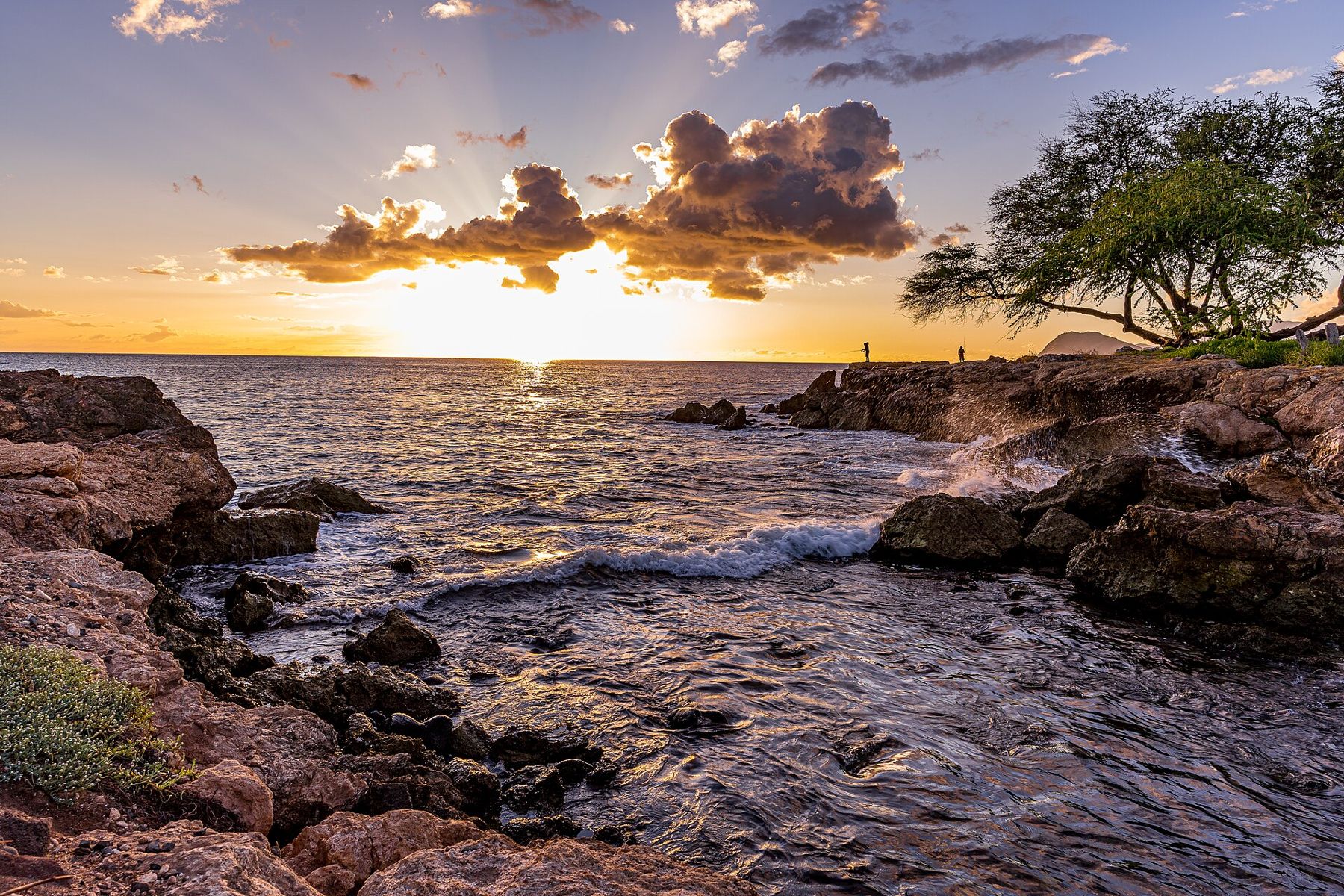
Go to the beach at first light at Waikiki or Ko Olina, when the water is calm and the sun is low, and let your baby sit in the shallows. Retreat indoors for the long midday nap, then come back out in the late afternoon for a stroller walk along the water and the sunset. It is a simple day, but on Oahu with a baby, simple is the point.